
Planting
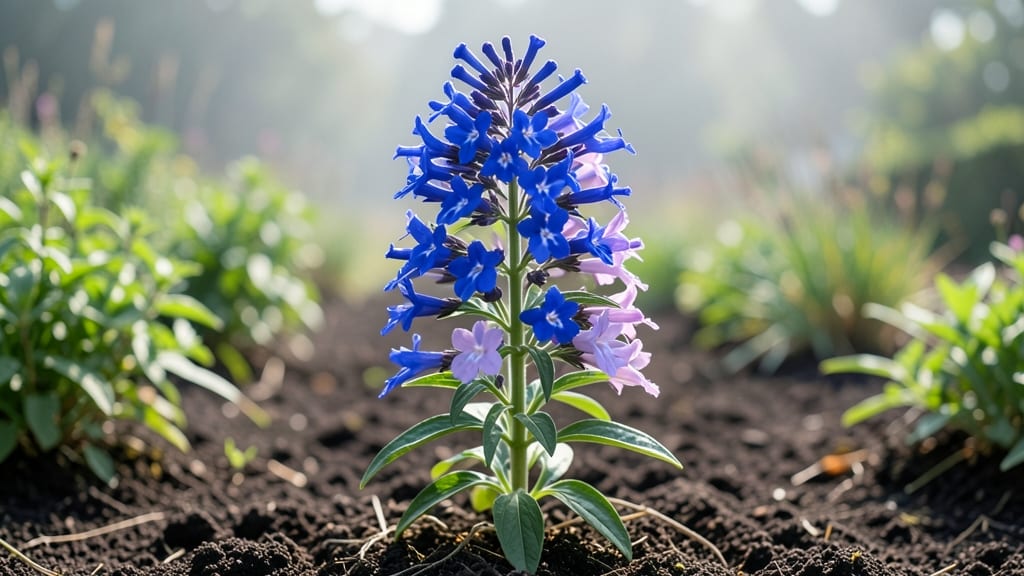
Caring for an angelonia plant means summer-long blooms that look like tiny angel faces—once you get the heat, light, and watering right. 🌸 I’ve grown these heat-loving annuals for years, and they’ve never failed to deliver vibrant spikes of purple, pink, or white flowers from June until frost.
The key is treating them like the sun-worshippers they are: full sun (at least 6+ hours daily), well-draining soil, and water only when the top inch feels dry. Overwatering is their downfall—angelonias hate soggy roots.
A light mulch helps retain moisture without smothering them, and they’ll reward you with nonstop blooms if you deadhead spent flowers regularly. You’ll end up with neat, bushy plants that attract pollinators and add vertical interest to borders or containers.
They’re also drought-tolerant once established, making them perfect for low-maintenance gardens. Just avoid heavy fertilizers—they’ll focus on leaves instead of flowers. For winter, treat them as annuals (unless you’re in Zone 10+).
Save seeds or start fresh next spring—these plants grow so reliably, you’ll wonder why you didn’t try them sooner.
📚 In This Guide
- What you need
- Instructions
- Tips and common mistakes
- Wrapping up and next steps
What you need
- ● Angelonia plants: 3–6 healthy seedlings or cuttings (choose varieties like Angelonia angustifolia for best results).
- ● Well-draining potting mix: 1–2 bags (5–10 gallons) of a blend designed for annuals or herbs (add perlite or sand for extra drainage).
- ● Containers or garden space: Containers: 5–7-inch pots (1–2 per plant) with drainage holes.
- ● Garden beds: Full sun exposure (6+ hours daily) and loose, fertile soil.
- ● Slow-release fertilizer: 1–2 lbs (for containers) or 5–10 lbs (for garden beds) of balanced 10-10-10 or 20-20-20.
- ● Watering can or hose with a gentle spray nozzle: For deep but controlled watering.
- ● Pruning shears: Sharp, clean pair for trimming dead blooms or leggy stems.
- ● Gloves: Lightweight gardening gloves to protect hands from soil and thorns.
- ○ Mulch (optional): 1–2 inches of organic mulch (e.g., straw or shredded bark) to retain moisture.
- ● pH test kit: To check soil acidity (ideal range: 6.0–7.0 for angelonia).
- ○ Plant supports (optional): Small stakes or cages if your variety grows tall (e.g., ‘Angelface’).
Step-by-step guide to caring for your angelonia plant
Angelonia thrives in summer heat—here’s how to keep yours blooming beautifully all season long.
💧 Step 1: Water Consistently Without Overdoing It
Angelonia loves moisture but hates soggy roots. Water deeply every 2-3 days until water runs out the drainage holes—this ensures roots stay hydrated without rotting. Stick your finger 1 inch into the soil; if it feels dry, it’s time to water. Overwatering is the fastest way to kill these plants, so let the top inch dry out between sessions.
Mist the leaves lightly in the morning to boost humidity, especially in dry climates. This mimics their native tropical environment and keeps blooms vibrant. Avoid evening watering—wet foliage at night invites fungal diseases like powdery mildew.
☀️ Step 2: Provide Bright, Direct Light Daily
Angelonia craves full sun (6+ hours daily), but afternoon shade in scorching climates prevents leaf scorch. Place your plant where it gets morning sun and afternoon shade if temperatures exceed 90°F. You’ll know it’s thriving when stems stay sturdy and flowers bloom continuously.
If growing indoors, position near a south-facing window or supplement with a grow light 6-12 inches away for 12-14 hours daily. Leggy growth or sparse blooms mean it’s not getting enough light—move it closer or add artificial light immediately.
✂️ Step 3: Prune Regularly for Bushier Growth and More Blooms
Pinch back the tips of new growth when stems reach 4-6 inches tall to encourage branching. This simple step transforms sparse plants into lush, bushy shrubs. Use clean pruners to snip just above a leaf node, where new shoots will emerge.
Deadhead spent blooms weekly to redirect energy into fresh flowers. Snip the entire flower stem down to the next set of leaves—this prevents seed formation and keeps the plant focused on blooming. Prune lightly after major blooms fade to tidy up the plant without shocking it.
🪴 Step 4: Feed Monthly for Continuous Color
Use a balanced liquid fertilizer (10-10-10 or 20-20-20) diluted to half-strength every 4-6 weeks during the growing season. Fertilize in the morning after watering to prevent root burn. You’ll notice richer blooms and darker green foliage within 2-3 weeks of consistent feeding.
Avoid over-fertilizing—yellowing leaves or leaf drop are signs of too much food. If this happens, flush the soil with water to rinse out excess salts. Organic options like fish emulsion or compost tea work well too, but follow package instructions for dilution.
⏰ Step 5: Overwinter Properly for Next Season
Angelonia is an annual in most climates, but if you want to save seeds or replant, harvest seeds from dried flower heads before the first frost. Store them in a cool, dry place until spring. For a head start, sow seeds indoors 8-10 weeks before your last frost date in warm soil.
If you’re growing in a container, bring it indoors before temperatures drop below 50°F. Place it in a bright, cool spot (60-65°F) and reduce watering to every 10-14 days. The plant will go dormant but can be coaxed back to life in spring with fresh fertilizer and pruning.
Tips & tricks for perfect angelonia plant care
Keeping your angelonia blooming all summer takes just a few smart moves—and avoiding common pitfalls. Here's how to give your plant the edge it needs.
Soil Drainage Check: The instructions mention watering until it runs out the drainage holes, but not all pots have proper drainage. If your container doesn't have holes, make your own by drilling small holes in the bottom or place the pot on a saucer filled with pebbles to catch excess water. This prevents root rot while still keeping the soil moist. I learned this the hard way after losing a plant to soggy soil—now I always check drainage first!
Light Adaptation Strategy: When moving your angelonia from indoors to outdoors, don't put it in full sun immediately. Acclimate it over 7-10 days by gradually increasing sunlight exposure. Start with 2-3 hours of morning sun, then slowly extend the time. This prevents leaf scorch, which can happen even when temperatures are below 90°F if the plant isn't used to direct sunlight. The gradual transition mimics natural conditions and keeps your plant happy.
Pruning Timing Secret: The weekly deadheading is crucial, but there's a best time to do it. Always prune in the morning when the plant is dry. This reduces the risk of fungal infections that can occur when wet foliage gets cut. I also recommend using sharp, clean pruners each time—dull tools can crush stems and invite disease. Sterilize your tools with rubbing alcohol between cuts for extra protection.
Fertilizer Application: When you're ready to feed your angelonia every 4-6 weeks, here's a pro move: mix your diluted fertilizer with water in a spray bottle. Lightly mist the soil (not the leaves) with this solution. This ensures even distribution and prevents fertilizer burn on the foliage. I've found this method gives me more consistent results than pouring fertilizer directly onto the soil surface. Just be sure to water thoroughly afterward to help the nutrients reach the roots.
Pro Tips for Care For Angelonia Plant
- Keeping your angelonia blooming all summer takes just a few smart moves—and avoiding common pitfalls.
- Soil Drainage Check: The instructions mention watering until it runs out the drainage holes, but not all pots have proper drainage.
- Light Adaptation Strategy: When moving your angelonia from indoors to outdoors, don't put it in full sun immediately.
Frequently asked questions
about caring for angelonia plants—because even heat-loving blooms need a little extra love! Here’s what gardeners ask most often.How often should I water angelonia?
Water angelonia consistently—about 1-2 inches per week—but let the top inch of soil dry out between waterings. Overwatering causes root rot, while underwatering leads to wilting. Mulch helps retain moisture in hot climates.
Can angelonia survive winter?
Angelonia is annual in cold climates (USDA zones 9-11). In colder areas, dig up tubers before frost, store them in dry soil, and replant next spring. Zone 10+? Prune back in winter to encourage fresh growth.
What pests or diseases should I watch for?
Keep an eye out for aphids, spider mites, and whiteflies—spray with neem oil if spotted. Powdery mildew (white fungal spots) thrives in humidity; improve airflow and avoid overhead watering.
Can I grow angelonia in containers?
Use well-draining pots (12+ inches deep) with light, sandy soil. Place in full sun and water daily in summer. Pro tip: Add a time-release fertilizer to keep blooms vibrant.
Why aren’t my angelonia flowers opening?
Lack of sunlight or over-fertilizing (too much nitrogen) can stunt blooms. Move to 6+ hours of direct sun and switch to a low-nitrogen, high-phosphorus fertilizer (like 5-10-5). Deadhead spent flowers to encourage more blooms!
Wrapping up and next steps
Caring for your angelonia plant is all about embracing its love for warmth, bright light, and well-drained soil—plus a little patience to watch those stunning summer blooms unfold! 🌸 With the right balance of watering, pruning, and protection from pests, you’ll enjoy a vibrant, long-lasting plant that rewards your efforts with months of color.
Now that you’re equipped with the know-how, there’s only one step left: get planting and enjoy the process!
Ready to turn your garden—or even a sunny windowsill—into a blooming paradise? Grab your angelonia seeds or cuttings and start your summer gardening adventure today! 🌿✨