
Planting
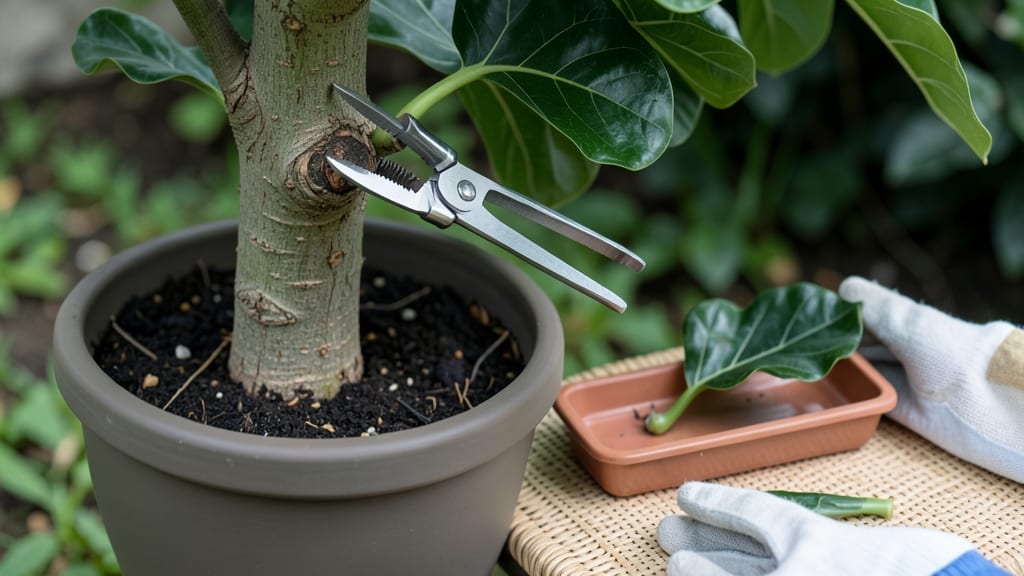
Cutting a fiddle leaf fig isn’t just pruning—it’s unlocking bushier growth and healthier leaves. ✂️ I’ve turned leggy, sparse plants into lush, full bushes by mastering the right cuts, timing, and aftercare.
The secret? Knowing where to trim (hint: it’s not just random snips) and how to encourage new shoots to sprout within weeks.
Spring and early summer are the perfect windows—your plant’s natural growth spurt means it’ll bounce back faster. Grab sharp pruners (never dull scissors!) and focus on 1-2 inch cuts just above a leaf node.
Avoid over-trimming—think of it as sculpting, not hacking. A healthy fiddle leaf fig can handle up to 1/3 of its foliage removed without stress, but less is often better for beginners.
After the cut, you’ll see new growth within 4-6 weeks if conditions are right: bright, indirect light and consistent moisture. The real magic happens when you propagate those cuttings—root them in water or soil, and you’ll have ready-to-pot plants in 2-3 months.
It’s how I’ve expanded my collection without spending a dime.
Common mistakes? Trimming too late in the year (fall/winter dormancy = slow recovery) or using dirty tools (which spread disease). Pro tip: Wipe your pruners with rubbing alcohol between cuts.
Your fiddle leaf fig will thank you with thicker stems, more leaves, and a fuller shape—no more sad, sparse branches.
Root Causes of Trimming Needs
Understanding why your fiddle leaf fig (Ficus lyrata) needs pruning is the first step to keeping it healthy—and thriving. Unlike many houseplants, this tropical beauty responds dramatically to stress, overgrowth, or environmental shifts.
Below, we break down the scientific and practical reasons you might reach for those shears, from biological growth patterns to human-induced triggers.
Fiddle leaf figs grow fast—sometimes too fast.
When leaves cluster tightly, they compete for: - Light 🌞: Inner leaves get shaded, weakening photosynthesis. - Air circulation 🌬️: Stagnant air traps humidity, inviting fungal diseases like powdery mildew. - Nutrients 🌱: Roots and stems struggle to distribute water and minerals evenly.
Actionable sign: Yellowing leaves on the lower stem or a "leggy" appearance (long stems with sparse foliage).
Fiddle leaf figs are sensitive to pathogens. Pruning isn’t just cosmetic—it’s a health intervention.
Common culprits: - Brown, crispy edges 🔥: Often caused by underwatering or low humidity, leading to cellular dehydration. - Black spots or mold 🟣: A sign of overwatering or bacterial/fungal infections (e.g., leaf spot disease). - Holes or chew marks 🐜: Pests like spider mites or mealybugs weaken the plant’s immune response.
Science note: Removing infected leaves stops the spread of pathogens via the plant’s vascular system (its "plumbing").
Fiddle leaf figs follow a natural growth rhythm:
- Spring/Summer (Active Growth): New leaves emerge rapidly; pruning here encourages bushier growth.
- Fall/Winter (Dormancy): Growth slows. Pruning during this time can stress the plant, as it’s conserving energy.
Pro tip: 💡 Best time to prune? Late spring or early summer, when the plant is actively photosynthesizing but hasn’t yet hit its peak stress from heat.
Light is the #1 environmental factor affecting fiddle leaf figs.
Too much or too little triggers compensatory growth: - Leggy stems (etoliation) 🟡: Stretched, weak stems from low light cause the plant to "reach" for sunlight, making it top-heavy and prone to snapping. - Sunburnt leaves ☀️🔥: White or brown patches from direct afternoon sun (especially through windows).
These leaves won’t recover—they must be removed.
Fix: Rotate the plant every 2–4 weeks for even light exposure and avoid south-facing windows in harsh climates.
When roots circumnavigate the pot (growing in circles), they:
- Strangle themselves, reducing water/nutrient uptake.
- Push leaves outward to compensate, making the plant unstable.
Visual clue: Roots emerging from drainage holes or a root-bound ball when gently removed from the pot.
Solution: Prune both the canopy (to reduce top weight) and the roots (if repotting) to reset growth patterns.
Mishaps happen—here’s how to handle them: - Broken stems 🪓: Use sterilized scissors to cut at a 45-degree angle (just above a leaf node) to prevent rot. - Frost or temperature shock ❄️: Sudden cold (<50°F/10°C) causes leaf drop.
Prune damaged leaves to redirect energy to healthy growth. - Pet or kid mishaps 🐶👶: Chewed leaves? Snip them off cleanly to avoid bacterial entry.
Key rule: Always use sharp, clean tools to minimize tissue damage.
Revive & Propagate Your Fiddle Leaf Fig
If your fiddle leaf fig (Ficus lyrata) is looking leggy, overgrown, or struggling, strategic pruning isn’t just about aesthetics—it’s a lifesaver. Below, we’ve mapped out practical fixes for common issues, paired with prevention tips to keep your plant thriving. Think of this as your fiddle leaf fig’s emergency repair guide!
Cause: Overwatering, root rot, or shock from poor pruning. Fix:
- 🔪 Trim the Damage: Use sterilized scissors or pruning shears to cut just above a leaf node (where leaves grow). Avoid leaving stubs—this prevents rot.
- 💧 Let It Dry Out: After pruning, stop watering for 3–5 days to let the soil recover. Stick your finger 2 inches deep—if it’s damp, wait longer.
- 🌿 Repot if Needed: If roots smell foul or are mushy, repot into fresh, well-draining soil (a mix of potting soil + perlite works). Pro tip: Add a handful of orchid bark to improve aeration.
Prevent It:
- Water only when the top 2 inches of soil are bone-dry.
- Use a pot with drainage holes—no exceptions.
- Mist leaves lightly in dry climates to mimic humidity.
Cause: Over-pruning, lack of light, or nutrient deficiency. Fix:
- 🌿 Prune for Shape: Cut back 1/3 of the tallest stems to encourage bushier growth. Focus on stems with 3+ leaf nodes—these will sprout new leaves faster.
- 💡 Boost Light: Move your plant to bright, indirect light (east or north-facing windows are ideal). Avoid harsh afternoon sun, which can scorch leaves.
- 🍽️ Feed It: Use a balanced liquid fertilizer (10-10-10) every 4–6 weeks in spring/summer. Dilute to half-strength to avoid burning roots.
Prevent It:
- Prune in spring or early summer when the plant is actively growing.
- Rotate the pot quarter-turn weekly for even light exposure.
- Wipe leaves with a damp cloth monthly to remove dust (helps photosynthesis!).
Cause: Waterlogged soil, poor drainage, or contaminated tools. Fix:
- 🚨 Act Fast: Remove the plant from its pot and rinse roots gently with water to dislodge soil. Trim any black, mushy roots with sterilized shears.
- 🧼 Sanitize: Soak roots in a 1:10 hydrogen peroxide-water solution for 10 minutes to kill fungi. Rinse thoroughly.
- 🏡 Repot Carefully: Use a clean pot with fresh, sterile soil. Add a layer of gravel or charcoal at the bottom for drainage.
Prevent It:
- Never let your plant sit in saucers of water. Empty excess water after watering.
- Sterilize pruning tools with rubbing alcohol before and after use.
- Avoid over-potting—choose a container just 1–2 inches larger than the root ball.
Cause: Stem cuttings too small, wrong medium, or low humidity. Fix:
- ✂️ Pick the Right Cuttings: Choose stems with 2–3 leaf nodes and at least 4–6 inches long. Let the cut end callus over for 1–2 hours before planting.
- 🌱 Plant in Perlite or Water: Place cuttings in a jar of room-temperature water or a mix of perlite + sphagnum moss. Keep the node submerged (for water) or lightly buried (for soil).
- 🌡️ Create a Humid Haven: Cover with a plastic bag or dome and place in bright, indirect light. Mist daily to maintain humidity.
Prevent It:
- Use hormone rooting gel for faster results (especially in dry climates).
- Keep water or soil consistently moist but not soggy.
- Wait 4–8 weeks for roots to form before transplanting.
To keep your fiddle leaf fig happy and healthy after pruning:
- Spring/Summer: Fertilize monthly, prune as needed, and increase humidity.
- Fall/Winter: Reduce watering, stop fertilizing, and keep in consistent temps (60–75°F).
- Always: Dust leaves, rotate the pot, and love it—plants sense your energy! 🌿✨
Remember: Pruning is like giving your fiddle leaf fig a haircut—it’s all about confidence and the right tools. With these fixes, your plant will bounce back with lush, new growth in no time!
Frequently asked questions
Can I cut my fiddle leaf fig in winter?
Pruning in winter is not recommended—your plant is in dormancy and needs to conserve energy. Wait until late spring or early summer when growth resumes. If you must trim damaged leaves, do it sparingly and avoid major cuts.
How do I know if I’ve cut too much?
If you remove more than 1/3 of the foliage at once, your plant may struggle to recover. Look for signs like wilting, yellowing leaves, or stunted growth. For beginners, stick to smaller cuts (1-2 inches) just above leaf nodes.
Can I propagate a cutting with just one leaf?
No—each cutting needs at least 2-3 leaf nodes to root successfully. A single leaf won’t have enough energy to grow. Choose stems with 4+ inches of length and multiple leaves for best results.
Why are my cuttings rotting in water?
Water propagation fails when the cutting stays submerged too long or the water gets contaminated. Only submerge 1 inch of the stem and change the water every 3-5 days. Add a drop of hydrogen peroxide to prevent bacteria.
How often should I fertilize after pruning?
Wait 4-6 weeks after pruning before fertilizing to let the plant recover. Then use a balanced liquid fertilizer (10-10-10) every 4-6 weeks during spring/summer. Reduce frequency in fall/winter.