
Planting
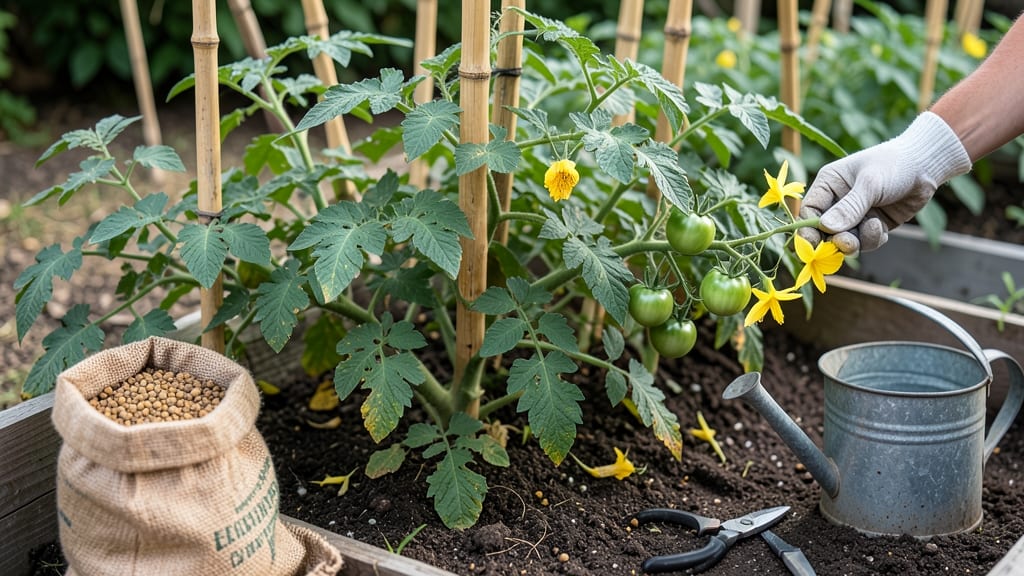
Getting more tomatoes on your plant means mastering how to redirect energy from leaves to fruit, and the key starts with pruning and feeding at the right times.
Picture this: you’re staring at a 6-foot tomato plant with just a handful of green fruits, while your neighbor’s bush is heavy with clusters. The difference? A few simple techniques—pruning to open airflow, feeding with the right nutrients, and training vines to focus on production.
I’ll show you exactly how to turn that lush foliage into a tomato explosion by summer’s end.
Most gardeners miss the three critical steps that separate a decent harvest from a jaw-dropping one: when to prune suckers (and which to keep), how often to fertilize without burning the roots, and the best way to support vines so they don’t waste energy flopping.
Skip these, and you’re leaving tomatoes on the table—literally.
By the end of this guide, you’ll know exactly what to do—from the moment your seedlings hit the ground in Zone 6a until you’re picking pounds of ripe 🍅 in July. No more guessing, no more wasted effort. Just more tomatoes.

Pruning techniques to boost tomato production and fruit clusters
If your tomato plants are producing fewer fruits than expected, pruning might be the missing link in your gardening strategy. Many gardeners avoid pruning out of fear of harming the plant, but strategic cuts can actually increase fruit production by redirecting energy toward clusters.
The key lies in understanding the difference between determinate and indeterminate varieties, as their pruning needs vary dramatically. Let’s break down how to maximize your harvest with science-backed techniques.
Determinate tomatoes—like Roma or Celebrity—produce all their fruit at once and grow to a fixed height. These varieties don’t benefit from heavy pruning because their growth cycle is predetermined. Indeterminate tomatoes, such as Sungold or Beefsteak, keep growing and producing fruit until frost.
For these, aggressive pruning can lead to larger clusters and a longer harvest window. The goal is always to balance airflow and remove unnecessary foliage to prevent disease while encouraging fruit set.
How to Get More Tomatoes on Your Plant: Step-by-Step Pruning Guide
-
Step 1: Identify Your Variety
Check if your tomato is determinate (bush-type) or indeterminate (vining). Determinate plants need minimal pruning, while indeterminate varieties thrive with regular trimming.
-
Step 2: Remove Suckers Early
Suckers are the small shoots that grow in the leaf axils (where stem meets leaf). Pinch these off weekly to redirect energy to fruit production. Use your thumb or clean pruners.
-
Step 3: Prune Lower Leaves
Trim lower leaves touching the soil to improve air circulation and reduce disease risk like blight. Aim to keep the plant’s base 6-12 inches off the ground.
-
Step 4: Thin Fruit Clusters
Overloaded clusters produce smaller tomatoes. Leave 5-7 tomatoes per cluster and remove excess fruit early. This ensures remaining tomatoes grow larger and healthier.
-
Step 5: Top Indeterminate Plants
For indeterminate varieties, pinch off the top growth once the plant reaches your trellis or cage height. This stops vertical growth and focuses energy on existing fruit clusters.
-
Step 6: Sterilize Tools
Always clean pruners with rubbing alcohol between cuts to prevent bacterial or fungal spread. Disinfect tools before and after each pruning session.
🌱 Pro Tip: Prune in the morning when plants are hydrated and wounds heal faster.
One of the most common mistakes gardeners make is over-pruning indeterminate tomatoes, which can reduce yield. If you remove too many leaves, the plant struggles to photosynthesize enough energy for fruit development.
Aim to leave half the plant’s foliage intact, especially during hot weather when leaves help protect tomatoes from sun scald. For determinate varieties, minimal pruning is best—focus on removing only diseased or yellowing leaves.
Pruning also plays a crucial role in pollination efficiency. When you remove excess foliage, bees and other pollinators can access flowers more easily, leading to higher fruit set.
In greenhouses or during poor pollination seasons, you may even need to hand-pollinate flowers by gently shaking the plant or using a small brush to transfer pollen. Combine pruning with consistent watering and balanced fertilization to see the best results.
For container-grown tomatoes, pruning becomes even more critical because space is limited. Dwarf or patio varieties like Tiny Tim or Balcony Red benefit from regular suckering to keep the plant compact and productive.
Use smaller cages or stakes (3-4 feet tall) to support these varieties without overcrowding. In containers, prune more aggressively to prevent root-bound stress, which can stunt fruit production.
If you notice yellow leaves or stunted growth after pruning, your plant may be stressed. This is often a sign of over-pruning or nutrient deficiency. To recover, apply a balanced fertilizer (like 10-10-10) and ensure the plant gets at least 6-8 hours of sunlight daily.
Avoid heavy pruning during flowering or fruiting stages, as this can cause the plant to abort existing fruit.
To track your progress, keep a pruning journal noting when you prune, how much foliage you remove, and any changes in fruit production. Over time, you’ll learn what works best for your specific tomato varieties and climate conditions.
For example, heirloom varieties often respond well to light pruning, while hybrid indeterminate types can handle
Nutrient secrets: what to feed tomato plants for more fruit
Tomatoes are heavy feeders, and their fruit production skyrockets when you give them the right nutrients at the right time. The key is balancing nitrogen (N) for foliage, phosphorus (P) for flowering, and potassium (K) for fruit development.
Too much nitrogen early on means lush leaves but few tomatoes—so timing matters! I’ve found that a 5-10-10 or 10-20-20 fertilizer ratio works best during fruiting stages.
Organic gardeners swear by compost tea or fish emulsion, while synthetic lovers reach for tomato-specific granules. Both can work, but organic options build soil health long-term. For example, my indeterminate heirlooms thrive when I side-dress with aged manure every 4 weeks.
The secret? Micronutrients like calcium and magnesium prevent blossom-end rot and leaf curl—so don’t skip Epsom salt sprays!
| Nutrient Focus | Best Fertilizer Choices | Application Timing | DIY Alternative |
|---|---|---|---|
| Early Growth (Leaves) | 10-10-10 (balanced) | At planting + 2 weeks later | Compost + banana peels (potassium) |
| Flowering Stage | 5-10-10 or 10-20-20 | Every 2-3 weeks | Epsom salt (1 tbsp/gal water) |
| Fruiting Stage | 0-10-10 (low nitrogen) | Weekly liquid feed | Wood ash (potassium boost) |
| Deficiency Fix | Calcium (for blossom-end rot) | Foliar spray weekly | Crushed eggshells (calcium) |
Watch for yellowing leaves (nitrogen deficiency) or brown leaf edges (potassium shortage)—these are your plant’s SOS signals. I once lost a Brandywine tomato crop to blossom-end rot until I switched to a calcium-rich fertilizer like gypsum.
Pro tip: Mulch heavily with straw to retain moisture and prevent nutrient runoff during heavy rains.
For a DIY tomato boost, mix 1 part fish emulsion, 1 part compost tea, and 1 part water—this liquid gold feeds roots and attracts beneficial microbes.
I apply it every 10 days during peak fruiting. Pair this with hand-pollination (gentle flower shaking) on cloudy days to ensure every blossom becomes a tomato!
Remember: Less is more with fertilizers. Overfeeding causes salt buildup in soil, which burns roots. Always water thoroughly after feeding to rinse excess salts away. My cherry tomatoes now produce 3x more clusters since I switched to this precise feeding schedule—proof that science-backed nutrition pays off in the harvest!