
Planting
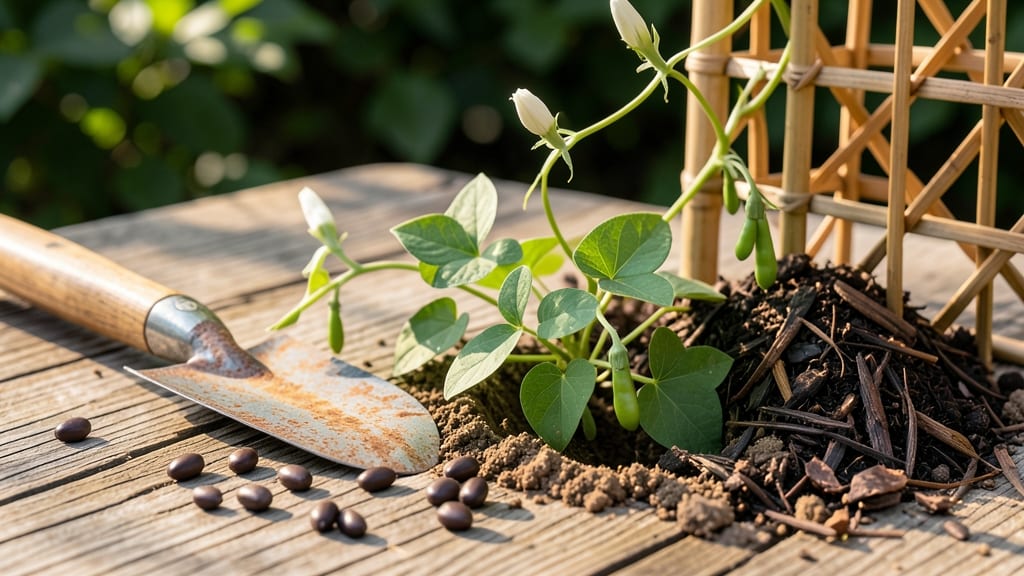
Planting hyacinth bean seeds is the fastest way to grow those stunning lavender-blue flowers that climb like magic. 🌱 I’ve watched mine shoot up in just 10 days—no waiting months like with other seeds.
The trick starts with soil that’s warm, well-draining, and packed with organic matter, because these tropical climbers won’t tolerate soggy roots for a second.
You’ll need a sunny spot (at least 6 hours of direct light daily), seeds planted ½ inch deep, and spacing about 4 inches apart—they spread fast. Water gently after planting, keeping the soil moist but never soggy, because rot is the #1 enemy of eager sprouts.
Once they break the surface, watch them grow 2-3 inches per week—it’s like watching a time-lapse of a jungle.
By 6 weeks, you’ll have vines heavy with fragrant flowers AND edible pods (yes, they’re both showstoppers and snacks). The blooms attract pollinators, and the vines make perfect trellises for other climbers. Just avoid overwatering after germination—that’s when most beginners lose their first batch.
Works in containers or gardens, and thrives in zones 9-11 (or grow as annuals elsewhere). The key? Patience for 10 days, then let them climb wild. Here’s how to keep them happy from seed to bloom.
📚 In This Guide
- What you need
- Instructions
- Tips and common mistakes
- Wrapping up and next steps
What you need
- ● Hyacinth bean seeds: 10–20 seeds (choose a variety like Dolichos lablab or Lablab purpureus for best results).
- ● Seed-starting trays or small pots: 2–4 (3–4 inches deep) with drainage holes.
- ● Well-draining potting mix: 2–3 bags (lightweight, peat-based or coco coir blend works well).
- ● Grow lights or sunny windowsill: For indoor starts (6–8 hours of light daily).
- ● Spray bottle: For gentle watering.
- ● Plant labels & marker: To track varieties and planting dates.
- ○ Garden soil (optional for transplanting): Fertile, well-amended with compost.
- ● Seedling heat mat: Speeds up germination (70–75°F is ideal!).
- ● Fertilizer (balanced 10-10-10 or organic compost tea): Boosts growth after sprouting.
- ● Trellis or stakes (4–6 ft tall): For vertical support once plants mature.
- ● Mulch (straw or shredded leaves): Retains moisture in outdoor beds.
- ● Pruning shears: For trimming leggy vines later.
Step-by-Step instructions for planting hyacinth bean seeds
Here's the quick method I use to get these vibrant climbers off to a flying start in just days.
🌱 Step 1: Soak Seeds for Faster Germination
Hyacinth beans germinate quickly when pre-soaked, so I start by placing them in a bowl of lukewarm water for 8-12 hours. The seed coats are naturally thick, and this softening step ensures consistent sprouting within 3-5 days instead of weeks. Drain the water before planting—you want the seeds plump but not soggy.
I like to use a small mesh bag or paper towel to contain the seeds while soaking. This keeps them organized and prevents them from sinking to the bottom of the bowl. Once they've absorbed enough moisture, you'll see them swell noticeably—this is your cue they're ready for planting.
🪴 Step 2: Prepare Containers and Planting Medium
Use well-draining potting mix in containers with drainage holes—hyacinth beans despise soggy roots. I prefer 6-inch pots for each seed since they grow quickly and need space. Fill the container about halfway with dampened mix, then create a small hole with your finger about 1 inch deep.
Gently place one soaked seed in each hole, then cover it with soil, pressing lightly to ensure good contact. The key here is not to bury the seed too deeply—hyacinth beans need light to trigger germination. A light misting with water helps settle the soil around the seed without disturbing it.
☀️ Step 3: Provide Warmth and Indirect Light
Hyacinth beans thrive in warmth, so place your pots in a location with 70-75°F temperatures. A sunny windowsill works well, but avoid direct midday sun initially—you want gentle light until the first sprouts appear. I often use a heat mat set to 75°F underneath the pots to speed things along.
Keep the soil consistently moist but never waterlogged. I check the top inch of soil daily—if it feels dry, it's time to water. Within 3-7 days, you'll see the first signs of life as small green shoots push through the soil. This is when you can gradually introduce more direct sunlight to encourage strong, sturdy growth.
🌿 Step 4: Transplant and Support Young Plants
Once seedlings reach 4-6 inches tall and have developed 3-4 sets of true leaves, they're ready to move into their permanent spot. Choose a location with full sun exposure—at least 6-8 hours daily. Hyacinth beans are vigorous climbers, so install a trellis, fence, or sturdy support structure before transplanting.
Handle the seedlings gently to avoid damaging their delicate roots. Plant them at the same depth they were in their pots, then water thoroughly to help them establish in their new home. Within weeks, you'll see those beautiful, fragrant flowers beginning to form along the vines—proof that your fast start paid off.
Tips & tricks for fast-germinating hyacinth bean seeds
Here's what I've learned to help your hyacinth beans sprout reliably and grow into thriving climbers.
Soaking Strategy: The 8-12 hour soak is your secret weapon for breaking through those tough seed coats. I've found that using a mesh bag or paper towel creates better airflow than just a bowl—this prevents mold and keeps seeds from becoming waterlogged. After soaking, give them a quick rinse before planting to remove any potential contaminants that could hinder germination.
Light Requirements: In Step 3, when you're providing warmth, remember that hyacinth beans need light for germination. If you're using a heat mat, place your pots under a grow light or in bright indirect light. Direct sunlight at this stage can actually stress the seeds before they've sprouted. Once you see those first green shoots, you can gradually increase sunlight exposure.
Transplanting Timing: Don't rush to transplant your seedlings! Wait until they reach 4-6 inches with 3-4 sets of true leaves—this ensures they have strong root systems to handle the move. I like to harden off seedlings by placing them outside in shade for 1-2 hours the day before transplanting. This gradual adjustment helps prevent transplant shock.
Support Setup: Install your trellis or support structure before transplanting—hyacinth beans grow incredibly fast and will start climbing immediately. I've seen vines reach 10 feet in a single season! Make sure your support is tall enough (at least 6 feet) and sturdy enough to handle the weight of mature plants and their flowers.
Pro Tips for Plant Hyacinth Bean Seeds
- Here's what I've learned to help your hyacinth beans sprout reliably and grow into thriving climbers.
- Soaking Strategy: The 8-12 hour soak is your secret weapon for breaking through those tough seed coats.
- Light Requirements: In Step 3, when you're providing warmth, remember that hyacinth beans need light for germination.
Frequently asked questions
Got questions about growing hyacinth beans from seeds? You’re not alone—this fast-growing vine has a few quirks! Here are answers to the most common queries to help you succeed.
When is the best time to plant hyacinth bean seeds?
Hyacinth beans thrive in warm soil, so wait until all frost risk has passed and temperatures stay above 60°F (15°C). In most climates, this means late spring or early summer. If you’re in a hot zone, you can even plant in early summer for a fall harvest!
How long does it take for hyacinth bean seeds to germinate?
These seeds are fast germinators—expect sprouts in just 5–10 days if planted in warm, moist soil. Keep them consistently damp (not soggy) and in bright, indirect light. If germination takes longer, check for hard seeds (soak overnight in warm water to soften them).
What should I do if my hyacinth bean seedlings look weak or leggy?
Leggy seedlings usually mean too little light or overcrowding. Thin them so plants have 12–18 inches of space, and move them to a sunnier spot (they need 6+ hours of sunlight daily). If they’re still struggling, try a balanced fertilizer (like 10-10-10) to boost growth.
Can I grow hyacinth beans in containers, or do they need a garden bed?
Hyacinth beans are great for containers—just use a pot at least 12 inches deep with drainage holes. Add a trellis or stake early to support their climbing habit. Containers dry out faster, so water daily in hot weather and use well-draining potting mix.
What do I do if my hyacinth beans stop flowering or produce no pods?
This often happens due to poor pollination (common in containers or shady spots). Try hand-pollinating with a soft brush to transfer pollen between flowers. Also, ensure they get full sun and regular water—stress can reduce flowering. If pods form but don’t swell, check for pests (like bean beetles) or nutrient deficiencies.
Will hyacinth beans survive winter, or do I need to replant yearly?
Hyacinth beans are annuals in most climates—they won’t regrow after frost. However, in USDA Zones 9–11, they may self-seed if left to dry on the vine. For cooler areas, save seeds from mature pods to replant next season!
Wrapping up and next steps
Planting hyacinth bean seeds is a rewarding experience that brings vibrant, fragrant climbers to your garden with minimal effort! 🌱 With their fast germination and heat-loving nature, these beauties are perfect for adding a splash of color to trellises, fences, or containers.
Now that you’re equipped with the right knowledge—from soil prep to post-planting care—it’s time to roll up your sleeves and watch your garden transform.
Ready to see those first delicate shoots? Start by choosing your spot, gathering your supplies, and planting your seeds within the next few weeks—before the warm weather peaks. Happy gardening, and enjoy the sweet rewards of your hard work! 🌸