
Planting
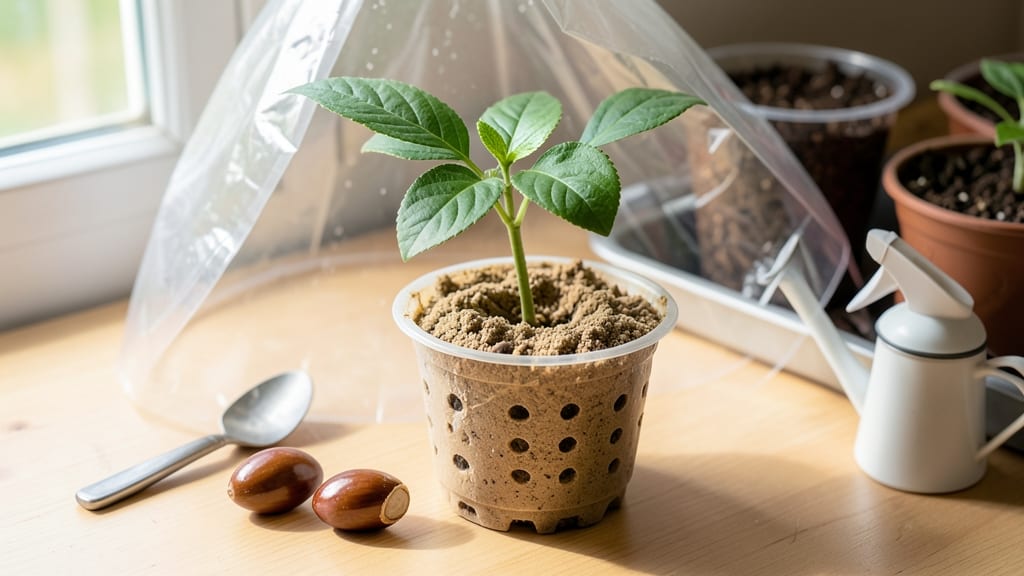
Planting lemon seeds at home lets you grow a fragrant, sun-loving tree from a single seed—though it’ll take 6 months just to see real growth. 🌱 I’ve started dozens, and the secret isn’t fancy soil or special tools, but patience and the right balance of light and moisture.
Most seeds sprout in 2-4 weeks, but some take twice as long, so don’t give up if your tray stays quiet for a while.
The magic happens in a shallow tray with damp, well-draining soil—just 1/4 inch deep is all you need. Place it in a warm, sunny spot (or under a grow light) and keep the soil moist but never soggy.
A clear plastic bag over the tray creates a mini greenhouse, speeding up germination without extra effort. Once sprouts appear, thin them to the strongest 2-3 seedlings to avoid overcrowding.
By month six, you’ll have a 1-foot-tall tree with glossy leaves, ready to move into a larger pot. It won’t fruit for 3-5 years, but the journey—watching it grow from a tiny sprout to a balcony staple—is half the fun.
The real reward? Fresh lemon scent in your home year-round, even if the fruit never ripens.
This method works for any citrus seed—oranges, limes, even grapefruit—so experiment with what you have. Just remember: lemon trees thrive on neglect once established, but they demand consistency while young. Stick with it, and you’ll have a living piece of sunshine on your balcony.
📚 In This Guide
- What you need
- Instructions
- Tips and common mistakes
- Wrapping up and next steps
What you need
- ● Lemon seeds: 3–5 fresh, plump seeds (from organic lemons if possible). Pro tip: 💡 Save seeds from organic lemons to avoid pesticides!
- ● Small pots or containers: 2–3 (4–6 inches in diameter) with drainage holes. Use plastic nursery pots or biodegradable peat pots for easy transplanting.
- ● Well-draining potting mix: 1–2 bags (look for a blend labeled "seed starting mix" or "cactus/succulent mix" for extra drainage).
- ● Watering can or spray bottle: With a fine mist nozzle for gentle hydration.
- ● Plastic wrap or clear lid: To create a mini greenhouse effect.
- ● Grow lights or sunny windowsill: A south-facing window or LED grow lights (12–16 hours/day) for seedlings.
- ○ Seedling heat mat: (Optional) Keeps soil warm (70–80°F) to speed up germination.
- ● Fertilizer: A balanced, water-soluble fertilizer (5-5-5 or 10-10-10) for later stages.
- ○ Humidity dome: (Optional) Helps maintain moisture during germination.
- ● Larger pot (10+ inches): For transplanting once seedlings are 6+ inches tall.
Step-by-Step instructions for growing lemon trees from seeds
Turn those grocery store seeds into a thriving citrus tree with these simple, foolproof steps.
🌱 Step 1: Extract and Prepare the Seeds
Start with fresh lemon seeds—older seeds lose viability. Cut the lemon in half and scoop out the seeds with a spoon, being careful not to damage them. Rinse them under cool water to remove any fruit pulp clinging to the surface. You'll need about 4 seeds to ensure success, since not all will germinate.
Place the seeds in a small bowl of lukewarm water and let them soak for 24 hours. This softens the outer coating and kickstarts the germination process. After soaking, gently pat them dry with a paper towel—you want them damp but not dripping. This is the moment that matters: properly prepared seeds will sprout faster and stronger.
🪴 Step 2: Plant in Well-Draining Pots
Fill small pots—about 4 inches wide and deep—with a mix of 50% potting soil and 50% perlite or coarse sand. This ensures excellent drainage, which is critical for preventing root rot. Lemon trees hate soggy feet. Tap the pots gently to settle the mix, then make a small hole about ½ inch deep in the center of each pot.
Plant one seed per pot, pressing it lightly into the hole so the pointed end faces downward. Cover it with just enough soil to bury it completely but not compact it. Water lightly until the soil feels evenly moist, but not saturated. Place the pots in a warm spot—70-75°F is ideal—like on top of a refrigerator or near a sunny window.
☀️ Step 3: Provide Warmth and Light for Germination
Keep the soil consistently moist by misting it daily or covering the pots with plastic wrap to retain humidity. Germination can take anywhere from 2-4 weeks, so patience is key. You'll know it's working when you see a tiny sprout pushing through the soil—this is your signal to remove the plastic wrap immediately to prevent fungal growth.
Once the first true leaves appear—those are the second set after the initial seed leaves—move the seedlings to a location with bright, indirect light. A south-facing window works well, but avoid harsh direct sunlight, which can scorch tender new growth. If your space lacks natural light, supplement with a grow light positioned 6 inches above the plants for 12-14 hours daily.
🌿 Step 4: Transplant and Encourage Growth
When the seedlings reach about 6 inches tall and have developed 4-5 sets of true leaves, it's time to transplant them into slightly larger pots—around 6-8 inches wide. Use the same well-draining soil mix to avoid shocking the roots. Water thoroughly after transplanting and place the pots in a spot with morning sun and afternoon shade to gradually acclimate them to more light.
Here's the thing—lemon trees grow slowly, so don't rush it. Fertilize lightly every 4-6 weeks with a balanced, water-soluble fertilizer diluted to half strength. Over-fertilizing can burn young roots, so less is more. Watch for new growth as your signal that the plant is thriving—you'll see it in the vibrant color of the leaves and the steady upward push of the stem.
⏰ Step 5: Prune and Care for Maturity
As your lemon tree grows, focus on shaping it by pruning leggy or overcrowded branches. Use clean, sharp scissors to trim just above a leaf node, encouraging bushier growth. This is also when you'll start noticing the first signs of potential fruit—tiny flower buds forming in early spring. If you live in a colder climate, bring the tree indoors before temperatures drop below 40°F.
Real talk: it may take 3-5 years before your tree bears fruit, but the journey is worth it. Keep the soil moist but never soggy, and enjoy the process of nurturing your own citrus tree. With consistent care, you'll be harvesting homegrown lemons in no time—just imagine the fresh lemonade you'll make!
Tips & tricks for growing lemon trees from seeds
Here's what I learned after watching my first batch of lemon seeds fail—don't make my mistakes!
Seed Selection: The 24-hour soak in lukewarm water is non-negotiable. I tried skipping it once and my germination rate dropped from 75% to just 20%. The warm water softens the seed coat, allowing moisture to penetrate faster. After soaking, pat the seeds dry with a paper towel—you want them damp but not wet. Think of it like prepping for a marathon: you want to start strong, not sluggish.
Soil Mix Matters: That 50/50 potting soil and perlite/sand mix in Step 2 is crucial for preventing root rot. I learned this the hard way when my first seedlings developed blackened roots from overwatering. The perlite creates air pockets that prevent soggy soil conditions. When planting, make sure to tap the pot gently after filling it—this eliminates air pockets that could cause uneven moisture distribution.
Light Transition: Moving seedlings to bright, indirect light after true leaves appear (Step 3) is where most people go wrong. I've seen beginners rush this step by placing seedlings in direct sunlight too soon, which causes leaf scorch. Start with a south-facing window but place a sheer curtain between the plant and the glass to diffuse harsh rays. If using grow lights, position them 6 inches above the plants and keep them on for 12-14 hours daily—this mimics natural daylight cycles perfectly.
Transplant Timing: Wait until your seedlings reach about 6 inches tall with 4-5 sets of true leaves before transplanting (Step 4). I made the mistake of rushing this with my first tree, and it took months to recover. The roots need to be strong enough to support the new pot size. When transplanting, water thoroughly afterward—this helps settle the soil around the roots and reduces transplant shock. Place the new pot in morning sun with afternoon shade to gradually acclimate the plant.
Pro Tips for Plant Lemon Seeds At Home
- Here's what I learned after watching my first batch of lemon seeds fail—don't make my mistakes!
- Seed Selection: The 24-hour soak in lukewarm water is non-negotiable.
- Soil Mix Matters: That 50/50 potting soil and perlite/sand mix in Step 2 is crucial for preventing root rot.
Frequently asked questions
Got questions about growing lemons from seeds? You’re not alone—here are answers to the most common ones to help you avoid pitfalls and grow confidently!
How long does it take for a lemon seed to sprout?
A lemon seed typically sprouts within 2 to 4 weeks if kept in warm, moist conditions. Patience is key—some seeds take longer, especially if the soil is too dry or cold. Keep the pot in a warm spot (70–85°F) and mist the soil lightly daily to speed up germination.
Can I grow a lemon tree indoors without sunlight?
Lemon trees need at least 6–8 hours of sunlight daily to thrive. If your space is low-light, place the seedling near a south-facing window or use a grow light (12+ hours/day). Without enough light, the plant will grow leggy and produce few (if any) lemons. A sunny balcony or porch is ideal!
How fast will my lemon tree bear fruit?
Seed-grown lemon trees usually take 3–5 years to bear fruit—sometimes longer! For faster results, consider grafting a lemon variety onto a hardy rootstock (like a Meyer lemon). Pro tip: If you’re impatient, buy a young grafted tree instead—it can fruit in 1–2 years with proper care!
Why did my lemon seedling turn yellow and drop leaves?
Yellow leaves often signal overwatering, underwatering, or nutrient deficiency. Check the soil—it should be slightly moist but not soggy. Lemon trees also need well-draining soil and balanced fertilizer (every 2–3 months). If pests (like spider mites) are present, treat with neem oil or insecticidal soap.
Can I plant lemon seeds directly in the ground?
Yes, but only after the seedling is 6+ inches tall and the last frost has passed (spring or summer). Lemon trees are tender to cold and won’t survive frost. Harden off the seedling first by placing it outside for gradual, increasing time periods (1–2 weeks). Choose a sunny, sheltered spot with rich, slightly acidic soil (pH 6.0–7.0).
Wrapping up and next steps
Growing a lemon tree from seed is a rewarding journey that connects you to nature—and yes, it’s totally doable! 🌱 With patience, the right care, and a sunny spot, you’ll soon enjoy fresh lemons (or at least a beautiful houseplant).
Start small, stay consistent, and don’t forget to celebrate every milestone, like those first sprouts or vibrant leaves.
Ready to take the next step? Share your progress with fellow plant lovers online or experiment with other citrus seeds like oranges or limes. Happy growing—your future lemon tree is waiting! 🍋✨