
Planting
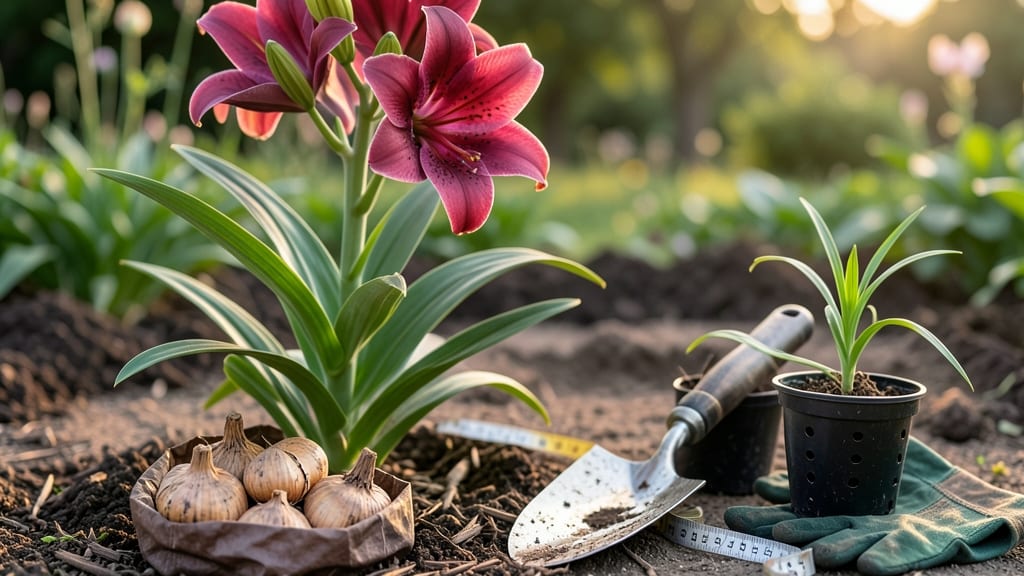
Planting oriental lilies at the right time means bold, dramatic blooms that turn heads every summer. 🌸 I’ve learned the hard way—planting too early or too late means weak stems and half-sized flowers.
The secret lies in waiting until the soil warms to 60°F in spring, when the ground is workable but not soggy.
Start by choosing a spot with full sun (at least 6–8 hours daily) and well-draining soil—these lilies hate soggy feet. Dig a hole 3–4 inches deeper than the bulb’s height and 3 times wider than its width.
Space bulbs 12–24 inches apart for dramatic clusters, and mix in a handful of compost for extra vigor.
Once planted, water deeply to settle the soil, then keep it consistently moist (but not wet) until the first shoots appear. Mulch lightly with straw to retain moisture and protect against weeds. With proper timing, your oriental lilies will reward you with foot-tall stems and trumpet-shaped blooms by midsummer.
For extra impact, plant in odd-numbered groups (3, 5, or 7 bulbs) and pair with contrasting foliage like hostas or ferns. And here’s the pro tip: Leave the foliage until it yellows—this fuels next year’s blooms. Ready to grow a showstopper? Let’s get those bulbs in the ground!
📚 In This Guide
- What you need
- Instructions
- Tips and common mistakes
- Wrapping up and next steps
What you need
- ● Oriental lily bulbs: 3–5 bulbs per planting spot (choose healthy, firm bulbs with no soft spots).
- ● Well-draining soil: Mix of garden soil + compost + perlite (or a pre-mixed bulb/cactus blend). Aim for a pH of 6.0–7.0.
- ● Planting hole: Twice as deep as the bulb’s height (typically 6–8 inches deep) and 12 inches apart for spacing.
- ● Watering can or hose: With a gentle spray nozzle for post-planting hydration.
- ● Mulch: 2–3 inches of organic mulch (straw, shredded bark, or pine needles) to retain moisture.
- ○ Fertilizer (optional but recommended): Start with a balanced 10-10-10 fertilizer at planting.
- ● Switch to a low-nitrogen, high-phosphorus (5-10-10) fertilizer when buds form.
- ● Bulb fertilizer spikes: Slow-release nutrients for hassle-free feeding.
- ● Planting grid or tape: For marking precise spacing (especially useful for larger gardens!).
- ● Drip irrigation system: Automates watering for consistent moisture.
- ● Garden gloves: Protect your hands from thorns and soil.
- ● Stakes or supports: If planting near walkways (oriental lilies can grow 3–5 feet tall!).
Step-by-step instructions for planting oriental lilies
Here's the method I use to ensure Oriental lilies thrive and deliver those showstopping blooms year after year.
🌱 Step 1: Choose the Right Location and Soil
Oriental lilies demand full sun—at least 6 hours daily—and well-draining soil. I always test the soil first: dig a 6-inch hole, fill it with water, and wait. If it drains within an hour, you're good. If not, amend with 1 part sand or perlite to 3 parts soil to improve drainage.
These lilies also prefer slightly acidic to neutral soil (pH 6.0-7.0). A simple soil test kit makes this easy. If your soil is too alkaline, mix in 1 cup of sulfur per 100 square feet and retest in a few weeks. The right soil prevents bulb rot, which is the #1 killer of Oriental lilies.
🪴 Step 2: Plant Bulbs at the Correct Depth and Spacing
Plant Oriental lily bulbs in early fall, about 6-8 weeks before your first frost. The bulbs need time to establish roots before winter. Dig a hole 4-6 inches deep—about twice the bulb's height—and space them 12-24 inches apart. Closer spacing works for smaller gardens, but give them room if you want those dramatic, oversized blooms.
Place the bulb in the hole with the pointed end facing up. Cover it with soil and water deeply. Here's the thing—I always add a handful of bone meal fertilizer to the bottom of the hole. It provides slow-release phosphorus, which encourages strong root and flower development. Mulch with 2-3 inches of organic mulch to insulate the bulbs through winter.
☀️ Step 3: Water and Fertilize for Strong Growth
After planting, water thoroughly once a week unless rainfall provides 1 inch of moisture. Oriental lilies are drought-tolerant once established, but they need consistent moisture during their first growing season. You'll know you're watering right when the soil feels damp 2 inches below the surface.
In early spring, when the shoots emerge, apply a balanced fertilizer (10-10-10) at half strength. Feed again when the foliage reaches 6 inches tall and once more after the first blooms appear. Avoid high-nitrogen fertilizers—they promote leafy growth at the expense of flowers. I always stop fertilizing once the blooms fade to let the plant focus on storing energy for next year.
✂️ Step 4: Deadhead and Care for Next Year's Blooms
After the flowers fade, cut the stems back to 6 inches above the ground but leave the foliage intact. The leaves feed the bulb for next year's blooms. I know it looks counterintuitive, but resist the urge to tidy up too soon. Let the foliage yellow naturally and die back on its own—this process takes 6-8 weeks.
Once the leaves turn brown and crispy, you can remove them. Divide the bulbs every 3-4 years when they crowd. Dig up the clumps in early fall, separate the bulbs gently, and replant the largest ones. Smaller bulbs can be planted deeper or kept for future planting. This ensures your Oriental lilies continue to deliver bold, healthy blooms for seasons to come.
Tips & tricks for planting oriental lilies
These pro tips will help you avoid common pitfalls and get those showstopping blooms every season.
Soil Test Timing: Don't rush the soil test—wait until late summer to check drainage and pH levels. This gives you time to amend the soil before planting in early fall. I've seen bulb rot ruin entire gardens because people planted too early without proper preparation. That 6-inch drainage test is non-negotiable for Oriental lilies.
Planting Depth Visual: For the 4-6 inch planting depth, imagine the bulb as a small basketball. The top should be about halfway up the sides of your hole. This ensures proper root development while preventing the bulb from sitting too deep and suffocating. The pointed end up is crucial—it's where the stem will emerge.
Frost Date Flexibility: Those 6-8 weeks before first frost are critical, but don't stress exact timing. Check your local frost dates and count backward, but be ready to plant 1-2 weeks earlier if your area has unpredictable weather. I've had success planting as early as late September in Zone 5 when temperatures start dropping consistently.
Fertilizer Strategy: That bone meal you add at planting provides phosphorus for roots, but don't overdo it. Too much fertilizer early can encourage leafy growth at the expense of blooms. The balanced 10-10-10 in spring is perfect—it gives equal attention to roots, foliage, and flowers without overwhelming the plant.
Pro Tips for Plant Oriental Lilies
- These pro tips will help you avoid common pitfalls and get those showstopping blooms every season.
- Soil Test Timing: Don't rush the soil test—wait until late summer to check drainage and pH levels.
- Planting Depth Visual: For the 4-6 inch planting depth, imagine the bulb as a small basketball.
Frequently asked questions
Got questions about planting oriental lilies? You’re not alone! Here are answers to some of the most common concerns to help you grow stunning blooms with confidence.
When is the best time to plant oriental lilies?
Plant oriental lilies in early spring (after the last frost) or early fall (6–8 weeks before the first frost). Avoid planting in summer heat or winter cold, as roots need time to establish before extreme temperatures. For zones 3–9, aim for April–May or September–October for ideal results.
How much water do oriental lilies need?
Keep soil consistently moist (but not soggy) for the first 2–3 weeks after planting. Once established, water deeply 1–2 times per week, focusing on the root zone. Oriental lilies tolerate drought better than overwatering—yellow leaves or wilting often signal overwatering or poor drainage.
Can I plant oriental lilies in containers?
Yes! Use a large container (at least 12–18 inches deep) with drainage holes and well-draining potting mix. Choose a spot with morning sun and afternoon shade to prevent overheating. Repot every 2–3 years to refresh nutrients, and divide congested bulbs in spring.
What pests or diseases should I watch for?
Oriental lilies are relatively hardy, but keep an eye out for:
- Aphids or spider mites: Spray with soapy water or neem oil if you spot sticky residue or tiny webs.
- Lily beetles: Handpick adults or use Bacillus thuringiensis (Bt) for larvae.
- Fungal issues (e.g., botrytis): Improve airflow, avoid overhead watering, and remove infected foliage immediately.
Healthy plants with 6+ hours of sunlight and well-draining soil resist most problems!
How long does it take for oriental lilies to bloom?
With proper care, oriental lilies typically bloom in their first or second year. First-year plants may focus on root growth, while mature bulbs (planted for 2+ years) produce large, fragrant blooms from mid-to-late summer. Patience pays off—these beauties reward long-term gardeners!
Wrapping up and next steps
You’ve got everything you need to grow stunning oriental lilies—now it’s time to roll up your sleeves and enjoy the process! 🌸 From selecting the perfect planting window to nurturing your bulbs with care, these bold bloomers will reward your efforts with vibrant, fragrant flowers.
Remember, patience and consistency are key, but the payoff is worth every drop of water and hour of sunshine.
Ready to watch your garden transform? Start by marking your calendar for next season’s planting—your future lilies will thank you! For extra inspiration, browse lily care guides or join a gardening community to share your progress. Happy planting! 🌱