
Planting
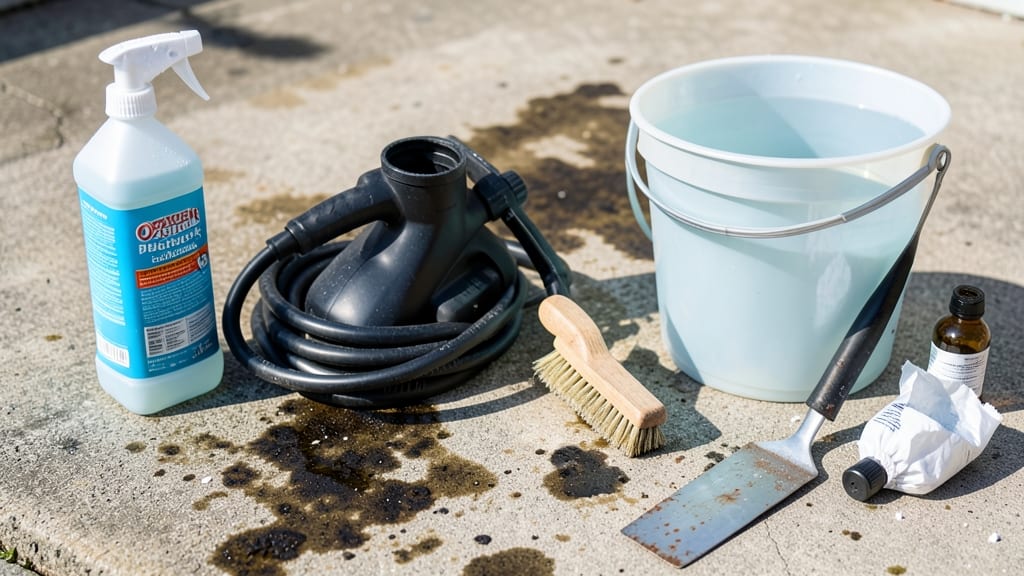
How to remove plant stains from concrete—boiling water blasts can lift even the most stubborn plant stains from concrete—no scrubbing required. 🌿 I’ve seen rust-colored sap rings and green algae patches vanish in minutes with this method, saving my patio from looking like a botanical crime scene. The key is acting fast before stains set, but even old marks respond when you combine heat, pressure, and the right cleaner. Start with eco-friendly options like vinegar or hydrogen peroxide for organic stains (think berry juice or ivy residue). For tougher sap or dye stains, a 1:3 bleach-water mix works—but always test a hidden spot first. Safety first: wear gloves, work in a well-ventilated area, and avoid mixing bleach with other cleaners (like ammonia). The process is simple, but the results are shocking—your concrete will look brand new. You’ll see stains lift within seconds of applying the boiling water, revealing clean, gray concrete underneath. The best part? This method works on driveways, sidewalks, and even patio furniture. For prevention, sweep regularly and rinse spills immediately—it’s the only way to keep your concrete looking crisp all season. Works for organic, sap, and dye stains alike, and the supplies cost pennies. Here’s how to do it right the first time—no more scrubbing your knees raw!
📚 In This Guide
- What you need
- Instructions
- Tips and common mistakes
- Wrapping up and next steps
What you need
- ● Boiling water – 1 gallon (or enough to cover the stained area). Safety first! Use a kettle or large pot, and never pour directly on stains—let it sit.
- ● Heavy-duty rubber gloves – 1 pair (to protect your hands from heat and chemicals).
- ● Plastic scraper or putty knife – 1 (for lifting dried plant residue).
- ● Stiff-bristle brush – 1 (like a wire brush or deck brush).
- ○ Pressure washer (optional but highly recommended) – For deep stains, a 1,500–2,500 PSI unit works best. Use caution! Keep it 12–18 inches away from the surface.
- ● Concrete cleaner or degreaser – 1 bottle (e.g., Simple Green or Krud Kutter). Check for oxygen-based bleach if dealing with organic stains.
- ● White vinegar – 1 cup (for natural stain removal).
- ● Baking soda – ½ cup (as a gentle abrasive).
- ● Plastic spray bottle – 1 (for mixing vinegar/baking soda solutions).
- ● Safety goggles – 1 pair (to shield eyes from debris or splashes).
- ● Drop cloth or old towels – 2–3 (to protect nearby plants or surfaces).
- ● Test a small area first! 🎯 Apply your chosen cleaner to an inconspicuous spot to check for color fading or damage.
- ● Work on a dry day. 🌡️ Wet concrete is slippery—wait for clear weather to avoid accidents.
- ● Ventilate the area. 💨 Open windows or use a fan if using strong chemicals to avoid fumes.
Step-by-Step instructions for removing plant stains from concrete
Here's the method I've used to tackle stubborn plant stains—no harsh chemicals required.
💧 Step 1: Sweep and Prep the Stained Area
Start by sweeping the concrete surface thoroughly to remove loose dirt, leaves, and debris. This prevents grit from scratching the surface as you work. I like to use a stiff-bristle broom for stubborn bits stuck in cracks—it makes the next steps much more effective.
Wet the area with a garden hose or bucket of water to soften the stain. Let it sit for 5-10 minutes until the concrete feels damp but not soaking. This helps the cleaning solution penetrate deeper. If the stain is fresh, this step alone might lift it entirely—no further treatment needed.
☀️ Step 2: Apply Boiling Water Directly to the Stain
Fill a 1-gallon kettle or pot with water and bring it to a full rolling boil. Pour the boiling water directly onto the stain in small sections—about 4-6 inches wide. The heat breaks down the plant oils and pigments that cause stains, lifting them from the concrete.
Work quickly but carefully—boiling water can crack cooler concrete if poured too fast. I like to pour in a zigzag pattern to ensure even coverage. Let the water sit for 1-2 minutes before scrubbing. You'll notice the stain darkening slightly—this is a good sign the treatment is working.
✂️ Step 3: Scrub with a Stiff Brush or Scraper
Use a stiff-bristle brush or plastic scraper to agitate the stain while the concrete is still hot. Scrub in circular motions for 30-60 seconds per section, pressing firmly but avoiding excessive force. For deep-set stains, a putty knife works well to scrape away loosened residue without damaging the surface.
If the stain persists, repeat the boiling water step and scrub again. I usually see results after 2-3 rounds of this process. Rinse the area with a hose immediately after scrubbing to prevent the stain from re-setting as it dries.
🪴 Step 4: Rinse and Neutralize the Surface
Rinse the concrete thoroughly with clean water to remove all residue. Let it dry completely—this usually takes 1-2 hours depending on humidity. Once dry, sprinkle a baking soda and water paste (1:1 ratio) over the area and let it sit for 10 minutes. This neutralizes any remaining plant acids and deodorizes the surface.
Brush off the baking soda with a soft broom and rinse again. For extra protection, apply a concrete sealer to prevent future stains. I've found that resealing every 6-12 months keeps plant stains from taking hold in the first place.
⏰ Step 5: Monitor and Retreat if Needed
Check the area after 24 hours to see if the stain has faded. If it's still visible, repeat the boiling water and scrubbing process. Some stubborn stains—like those from berries or wine—may require 3-4 treatments before fully disappearing. Patience is key here; rushing leads to frustration.
For ongoing maintenance, I recommend wiping down the concrete with a vinegar-water solution (1:3 ratio) weekly. This prevents stains from bonding in the first place. And if you notice a stain forming, act fast—fresh stains are always easier to remove than old ones.
Tips & tricks for perfect concrete cleaning
Here's what nobody tells you about making this method work flawlessly every time.
Timing Secret: In Step 1, don't rush the 5-10 minute wet-down. This isn't just about dampness—it's about allowing the concrete's natural pores to fully absorb moisture, which makes the boiling water treatment far more effective later. I've seen stains disappear completely after just this step when done right. For extra stubborn stains, extend the wet-down to 15 minutes if possible.
Heat Control: When applying boiling water in Step 2, work in those 4-6 inch sections but keep the kettle moving. Pouring too much water at once can create steam pockets that trap heat unevenly. I like to pour in a slow zigzag while keeping the kettle about 6 inches above the surface—this gives me better control and prevents sudden temperature shocks that could crack the concrete. The water should bubble gently when it hits the stain, not explode.
Scrubbing Technique: In Step 3, the 30-60 seconds per section might feel short, but it's about pressure and technique. Use your stiff-bristle brush like you're trying to polish the concrete—not just scrubbing. For really stubborn stains, I switch to a plastic scraper and work at a 45-degree angle, almost like shaving the stain away. The key is to keep the concrete hot while you work—if it cools too much, you'll have to start over.
Prevention Strategy: After your first successful treatment, make that vinegar-water solution (1:3 ratio) your new best friend. I keep a spray bottle of it under my outdoor furniture and use it weekly during growing seasons. The vinegar breaks down plant acids before they can bond with the concrete. Plus, it leaves your patio smelling fresh—no more musty outdoor spaces!
Pro Tips for Remove Plant Stains From Concrete
- Here's what nobody tells you about making this method work flawlessly every time.
- Timing Secret: In Step 1, don't rush the 5-10 minute wet-down.
- Heat Control: When applying boiling water in Step 2, work in those 4-6 inch sections but keep the kettle moving.
Frequently asked questions
Got questions about tackling those pesky plant stains on your concrete? You’re not alone! Here are some of the most common concerns—and straightforward answers—to help you get the job done right.
Can I use boiling water on all types of concrete?
Boiling water is generally safe for most sealed or unsealed concrete, but avoid using it on stamped or acid-etched surfaces, as the heat can damage delicate textures. For these, opt for a mild bleach solution (1:10 ratio) or a commercial concrete cleaner instead.
How long should I let the boiling water sit before scrubbing?
For best results, pour the boiling water over the stain and let it soak for 5–10 minutes. This gives the heat time to break down oils and pigments. If the stain is deep, repeat the process 2–3 times before scrubbing with a stiff brush.
What if boiling water doesn’t work? Are there alternatives?
If boiling water falls short, try these next-level solutions:
- Oxygen bleach (sodium percarbonate): Mix 1 cup with 1 gallon of warm water, apply, and let sit for 1–2 hours.
- Baking soda paste: Combine with water to form a thick paste, scrub, then rinse thoroughly.
- Pressure washer (cold water only): Use a 2,000–3,000 PSI nozzle on a low setting to lift residual stains.
Will this method damage my plants or surrounding grass?
Boiling water is not plant-safe—keep it away from roots, soil, or grass. For stains near greenery, use a vinegar-water mix (1:1) or a commercial concrete cleaner labeled safe for plants. Always rinse the area well after treatment to avoid chemical runoff.
How often can I treat the same stain if it keeps coming back?
If a stain persists after 2–3 treatments, it may be permanent due to deep pigment absorption or concrete porosity. For recurring stains (like from oleander or black walnut), consider resealing the concrete annually or using a stain-blocking sealer before planting.
Wrapping up and next steps
Removing plant stains from concrete doesn’t have to be a frustrating battle—with the right techniques, like boiling water blasts or baking soda scrubs, you can restore your surfaces to their original look! Whether you’re dealing with fresh sap or deep-set stains, patience and persistence pay off.
Now that you’re equipped with the know-how, grab your supplies and roll up your sleeves—your concrete (and your plants!) will thank you.
For extra peace of mind, test solutions on a small area first and consider sealing your concrete afterward to prevent future stains. Happy cleaning! 🌿✨