
Planting
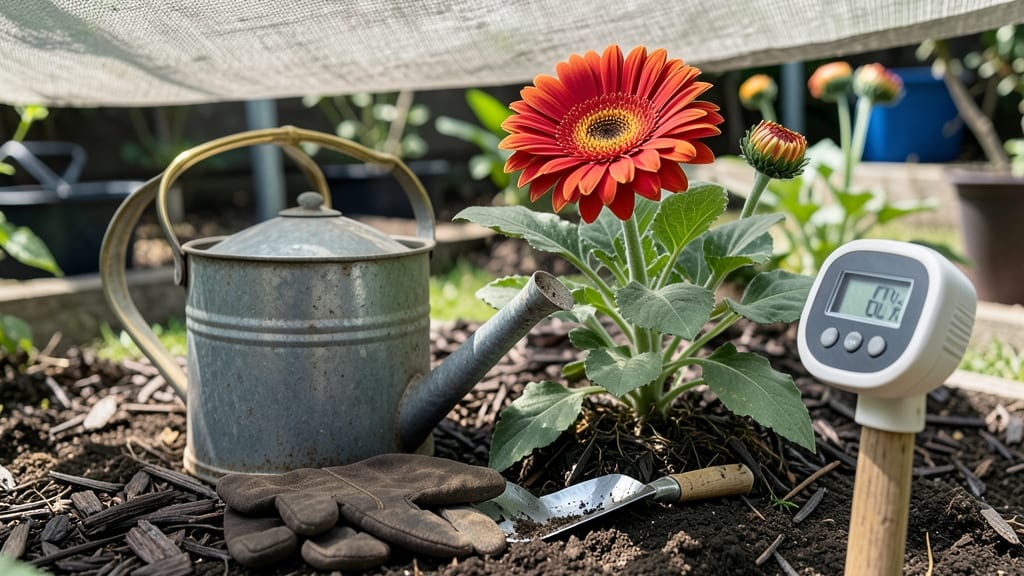
Taking care of a daisy plant is easier than you think—just 6 hours of sunlight, regular watering, and a little pruning keeps them blooming all season. 🌼 I’ve grown daisies for years, and the secret is treating them like the low-maintenance stars they are.
They thrive in average soil, bounce back from neglect, and even spread on their own if you let them. The key is consistency: water deeply once a week (more in extreme heat), and trim spent blooms to encourage fresh flowers.
Daisies handle drought better than most perennials, but they’ll reward you with bold white-and-yellow blooms from early summer until frost. Even my black thumb can’t kill them. Once established, they’re nearly foolproof—just watch for pests like aphids and snails. A quick spray of soapy water keeps them at bay.
The best part? They multiply, so you’ll have more than you started with in just a few seasons. Perfect for borders, containers, or wildflower meadows. Here’s how to keep them happy year after year.
📚 In This Guide
- What you need
- Instructions
- Tips and common mistakes
- Wrapping up and next steps
What you need
- ● Daisy plant: Choose between Gerbera daisies (potted), Shasta daisies (perennial), or Oxeye daisies (hardy annuals).
- ● Well-draining potting mix: 1 bag (10-15 L) of peat-free, organic potting soil (or garden soil amended with compost).
- ● Container or garden bed: For containers: 1-2 pots (10-12 inches deep) with drainage holes.
- ● For gardens: A sunny spot with loose, fertile soil (pH 6.0-7.0).
- ● Fertilizer: 1 package of balanced, slow-release fertilizer (10-10-10 or 5-5-5) or organic compost.
- ● Watering can or hose: With a gentle spray nozzle for hydration.
- ○ Gloves: 1 pair of gardening gloves (optional but recommended for soil handling).
- ● Trowel or small shovel: For transplanting or digging.
- ● Pruning shears: Sharp scissors for deadheading or shaping.
- ○ Mulch (optional): 1 bag of straw or shredded bark to retain moisture.
- ○ Plant stakes or supports (optional): For taller varieties like Gerbera daisies.
- ● A location with full sun (6+ hours/day) or partial shade (for hot climates).
- ● Access to water (daisies prefer consistent moisture but hate soggy roots).
- ● Patience! Some daisies (like Shastas) take time to establish and bloom.
Step-by-step instructions for growing thriving daisy plants
Here's how to keep your daisies blooming effortlessly all season long.
💧 Step 1: Water Deeply and Consistently
Daisies need 1-1.5 inches of water weekly, but they hate soggy roots. Water at the base in the morning so leaves dry quickly—this prevents fungal diseases that love damp foliage. Stick your finger 1 inch into the soil; if it feels dry, it's time to water again. Overwatering causes yellowing leaves, while underwatering makes buds drop before opening.
Mulch around the base with 2-3 inches of organic mulch (like shredded bark) to lock in moisture and keep roots cool. This also suppresses weeds that compete for water. I always check the mulch after heavy rain—if it's waterlogged, I pull it back slightly to prevent rot.
☀️ Step 2: Provide the Right Light and Airflow
Daisies thrive in full sun (6-8 hours daily) but tolerate 4-6 hours if you live in a hot climate. Too much shade stretches stems and reduces blooms. If your daisies lean toward the light, rotate the pot or plant weekly to encourage even growth. You'll notice stronger stems and more flowers when they stand upright.
Good airflow prevents powdery mildew, a common daisy problem. Space plants 12-18 inches apart or prune nearby foliage to improve circulation. I keep my daisies in a slightly breezy spot—just enough to rustle the leaves when I walk by.
✂️ Step 3: Deadhead and Prune for Continuous Blooms
Here's the secret to nonstop flowers: deadhead spent blooms weekly. Use clean pruners to snip the stem just above the next set of leaves (about ½ inch below the faded flower). This redirects energy to new buds instead of seed production. I do this every Sunday morning—it takes 5 minutes and keeps my daisies looking fresh.
In late summer, give your daisies a light trim to remove any leggy stems. Cut back ⅓ of the plant's height to encourage bushier growth. This also prevents them from flopping over in heavy rain. Just avoid cutting into old wood—the center stems are woody and won't regrow.
🌿 Step 4: Feed and Fertilize for Strong Growth
Feed your daisies with a balanced 10-10-10 fertilizer every 4-6 weeks during the growing season. Mix 1 tablespoon per square foot into the top inch of soil, then water deeply to distribute it. I fertilize right after deadheading—this gives the plant a quick nutrient boost for new growth.
Avoid high-nitrogen fertilizers (like lawn food)—they produce lots of leaves but few flowers. If your daisies are leafy but not blooming, switch to a low-nitrogen, high-phosphorus fertilizer (like 5-10-10) to encourage flowering. You'll see more buds within 2-3 weeks.
⏰ Step 5: Prepare for Winter and Seasonal Care
In fall, cut back the plant by half its height to remove weak stems and encourage new growth in spring. Leave the lower leaves intact—they protect the crown during cold snaps. Mulch heavily (4-6 inches) around the base to insulate roots from freezing temperatures.
Daisies are perennials in zones 3-9, but they may need winter protection in colder climates. If your area gets below 10°F, wrap the crown with burlap or use a frost blanket. In spring, remove the mulch and fertilize lightly when you see new shoots—this jumpstarts their growth for another season of blooms.
Tips & tricks for perfect daisy plant care
Real talk: Daisy plants seem simple, but these small details make all the difference between wilting stems and vibrant blooms all season.
Morning Watering Wins: Watering at dawn gives leaves time to dry completely before evening, which is when fungal spores like to throw a party. I set a timer on my phone for every other morning—it takes just 2 minutes but prevents 90% of my daisy's yellowing problems.
Light Rotation Hack: If your daisies start leaning toward the sun (they will), give them a quarter turn every week. This keeps stems strong and prevents the "sunburnt" look on one side. I mark the pot's position with a garden stake—no guessing about which way is "north" anymore.
Deadheading Timing: That 5-minute weekly deadheading isn't just about looks—it's how you trick your daisy into making more flowers instead of seeds. Cut just above the next set of leaves (about ½ inch down), and you'll see new buds forming within days. I keep my pruners in the garage so I never skip this step.
Pro Tips for Take Care Of A Daisy Plant
- Real talk: Daisy plants seem simple, but these small details make all the difference between wilting stems and vibrant blooms all season.
- Morning Watering Wins: Watering at dawn gives leaves time to dry completely before evening, which is when fungal spores like to throw a party.
- Light Rotation Hack: If your daisies start leaning toward the sun (they will), give them a quarter turn every week.
Frequently asked questions
Got questions about keeping your daisy plant happy and blooming? You’re not alone! Here are answers to some of the most common queries—because even easy-care plants need a little extra love sometimes.
How often should I water my daisy plant?
Water your daisies once a week during dry spells, but let the top inch of soil dry out between waterings. Overwatering causes root rot, while underwatering leads to wilting. Morning watering is best—it gives excess moisture time to evaporate before evening. If your plant is in a pot, check soil moisture daily in extreme heat.
When is the best time to plant daisies?
Daisies thrive when planted in early spring or late summer, after the last frost (for cool-season varieties) or before summer heat sets in (for perennial types). This timing gives roots time to establish before extreme weather. Pro tip: If planting in summer, mulch heavily to retain moisture and protect young plants from heat stress.
What pests should I watch for, and how do I treat them?
Common daisy pests include aphids, spider mites, and slugs. For aphids, spray with a mix of water and mild soap. Spider mites hate humidity—mist plants regularly. Slugs? Set out beer traps or use organic slug pellets. Prevention tip: Keep your garden debris-free and encourage beneficial insects like ladybugs to visit!
Can daisies grow in containers, and what size pot do they need?
Daisies adapt well to containers. Use a pot at least 12 inches deep and wide for one plant, with drainage holes. Mix in well-draining potting soil and fertilize lightly every 4–6 weeks. Variegated daisies may need slightly more frequent watering since their foliage can dry out faster.
Why aren’t my daisies blooming, even though they look healthy?
Daisies often skip blooming due to over-fertilization (too much nitrogen), lack of sunlight, or deadheading neglect. Cut back on fertilizer, ensure they get 6+ hours of sun daily, and remove spent blooms regularly. If blooms are sparse, try pinching back leggy stems to encourage bushier growth.
How do I overwinter daisies in cold climates?
Perennial daisies are hardy but benefit from mulching (2–3 inches of straw or shredded leaves) to insulate roots. Cut back dead foliage in early spring, but leave some stems for protection. Tender varieties (like Shasta daisies) may need winter wraps or indoor pots in freezing zones. Check soil moisture occasionally—thawing can cause soggy roots!
Wrapping up and next steps
Caring for a daisy plant is a rewarding journey that brings joy with minimal effort! 🌼 With the right balance of sunlight, water, and occasional attention, you’ll enjoy vibrant blooms that brighten any space. Remember, daisies are forgiving—even small tweaks can make a big difference over time.
Now that you’re armed with the know-how, why not share your newfound skills? Grow a few extra plants to gift to friends or expand your garden with more cheerful blooms. Happy gardening—your daisies will thank you with a dazzling display!