
Planting
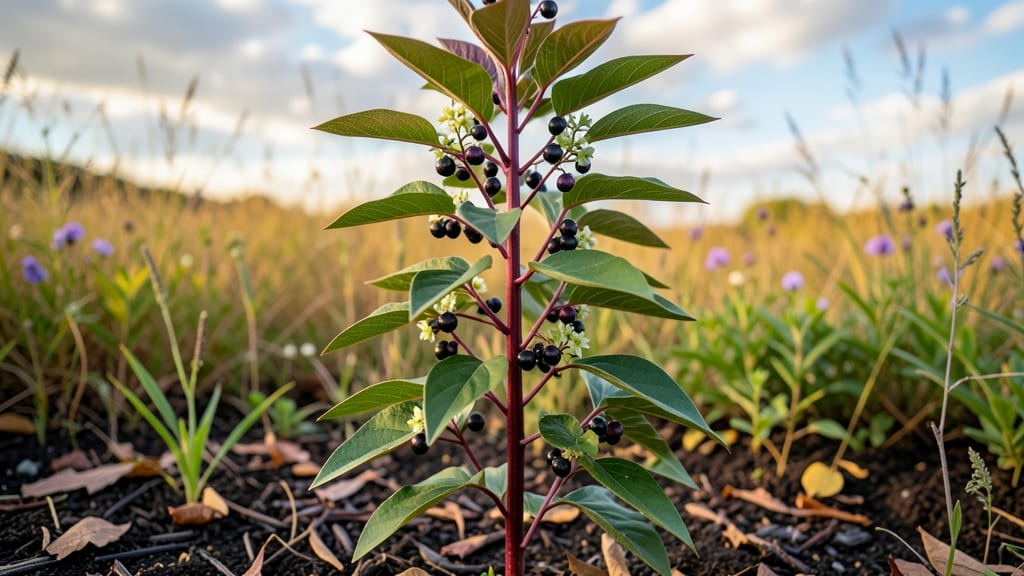
Growing Indian poke plant (Phytolacca americana) means adding a hardy, drought-resistant native to your wildflower meadow that thrives where others fail. 🌿 This underrated perennial handles heat, poor soil, and neglect better than most ornamentals—and it’s packed with surprising uses from medicine to food.
I’ve grown it in my dry, rocky meadow for three seasons, and it’s become the backbone of my native plantings. The secret to success starts with full sun and well-draining soil—it tolerates clay but despises soggy roots. Plant seeds in early spring or divide established clumps in fall.
Water lightly for the first month, then let nature take over. Poke plant spreads aggressively but stays contained in dry conditions, making it perfect for meadows or wild gardens. By midsummer, you’ll see vibrant pink flower spikes followed by glossy black berries that birds adore.
Harvest young shoots in spring (cook thoroughly—they’re edible when prepared right) or use the roots medicinally. The deep green foliage adds texture year-round, even in drought. Works best in zones 3-9, especially in hot, dry climates. Just watch for powdery mildew in humid summers—prune for airflow to prevent it.
Here’s how to make it thrive in your space!
📚 In This Guide
- What you need
- Instructions
- Tips and common mistakes
- Wrapping up and next steps
What you need
- ● Indian Poke Plant seeds – 1–2 lbs (for a small meadow) or 5+ lbs (for larger areas). Choose organic, non-GMO seeds for best results.
- ○ Seedling transplants (optional) – 10–20 plants (if starting with young growth for faster establishment).
- ● Well-draining soil – Indian Poke thrives in sandy loam or clay soil with a pH of 5.0–7.5. Amend heavy clay with compost or sand if needed.
- ● Compost or organic fertilizer – 2–3 gallons per 10 sq ft to enrich soil before planting.
- ○ Mulch (optional but recommended) – 2–3 inches of straw, wood chips, or leaves to retain moisture and suppress weeds.
- ● Garden fork or tiller – For loosening soil to a depth of 6–8 inches.
- ● Garden rake – To level the planting area and remove debris.
- ● Hand trowel or transplanting spade – For planting seeds or seedlings with precision.
- ● Watering can or hose with a gentle spray nozzle – Indian Poke needs consistent moisture (especially in dry climates).
- ● Garden gloves – The plant’s sap can be mildly irritating; protection is key!
- ○ String & stakes (optional) – If creating a defined border for your meadow.
- ● Sunlight – Full sun to partial shade (6+ hours of direct sun daily for optimal growth).
- ● Water access – Drought-tolerant once established, but young plants need regular watering (1–2 inches per week).
- ● Hardiness zone – USDA Zones 3–9 (perfect for heat-loving meadows!).
- ● Spacious planting area – Indian Poke can grow 3–6 feet tall and spread 2–4 feet wide—give it room to flourish!
- ● Wildlife-friendly mindset – While non-toxic to humans, the plant is toxic to pets (especially dogs). Keep away from curious pups!
Step-by-step guide to establishing Indian poke in your meadow
This drought-resistant beauty thrives with minimal fuss—just follow these clear steps for healthy, long-lasting growth.
🌱 Step 1: Select and Prepare the Planting Site
Indian poke performs best in full sun to partial shade with well-draining soil—it won’t tolerate soggy roots. Scout your meadow for areas with 4-6 hours of direct sunlight daily, as this ensures robust flowering and heat tolerance. If your soil is heavy clay, amend it with 2-3 inches of compost mixed into the top 12 inches to improve drainage.
Here’s the thing—Indian poke tolerates poor soil better than most perennials, but it still needs slightly acidic to neutral pH (6.0-7.0). Test your soil with a simple kit before planting; if it’s too alkaline, work in sulfur or peat moss to adjust. Avoid freshly tilled ground—this plant prefers undisturbed roots once established.
☀️ Step 2: Plant at the Right Time and Depth
Spring or early fall are ideal planting windows—avoid extreme heat or frost. Dig holes twice as wide as the root ball but only as deep as the container’s base. Gently remove the plant from its pot and loosen any circling roots with your fingers. Place it in the hole so the top of the root ball sits level with the surrounding soil—burying too deep suffocates the crown.
Backfill with native soil (no amendments) and water deeply to eliminate air pockets. You’ll see new growth within 2-3 weeks if conditions are right. Space plants 18-24 inches apart to allow airflow and prevent fungal issues. Real talk: Indian poke spreads slowly, so you won’t need to thin later.
💧 Step 3: Water and Mulch for First-Year Establishment
Keep the soil consistently moist but not soggy for the first 4-6 weeks—this encourages strong root development. Water deeply once weekly (or more in extreme heat) until rainfall averages 1 inch per week. You’ll know it’s right when the top 2 inches of soil feel damp but not waterlogged.
Apply a 2-inch layer of organic mulch (like wood chips or straw) around each plant, keeping it 3 inches away from the stem. This conserves moisture, regulates soil temperature, and suppresses weeds—critical for Indian poke’s survival in dry spells. Don’t over-mulch; too much can smother the plant and invite rot.
✂️ Step 4: Prune and Maintain Through the Seasons
After flowering (typically late summer to fall), cut back dead stems to 2-3 inches above the ground. This tidies the plant and redirects energy to root growth for next year. Avoid heavy pruning in early spring—Indian poke’s new growth emerges quickly, and aggressive cuts can stress the plant.
Fertilize lightly in early spring with a balanced, slow-release fertilizer (10-10-10) if your soil is poor. Too much nitrogen promotes leafy growth at the expense of flowers. Watch for aphids or spider mites—spray with neem oil if you spot them early. This plant is tough, but prevention is easier than treating infestations.
⏰ Step 5: Overwintering and Long-Term Care
Indian poke is hardy to USDA Zone 5, but young plants may need winter protection in colder climates. Apply a 4-inch layer of mulch in late fall to insulate roots. In Zone 6 and warmer, no extra care is needed—this plant thrives in heat and drought once established.
By year three, your Indian poke will spread naturally, creating a low-maintenance meadow staple. Divide clumps every 3-4 years in early spring if they outgrow their space—simply dig up sections with a sharp spade and replant. The key to success? Minimal intervention after planting. This is a plant that rewards patience with years of vibrant blooms and wildlife support.
Tips & tricks for perfect Indian poke plant establishment
Took me a while to figure these out, so here goes—these insights will help you avoid the common pitfalls I encountered while establishing my own meadow.
Sunlight Secret: While Indian poke thrives in partial shade, I've found that morning sun exposure (4-6 hours) makes all the difference for vibrant blooms. Position your plants to catch those early rays—this prevents leaf scorch while still promoting flowering. If your meadow gets intense afternoon sun, consider planting on the north side of trees or shrubs for natural shade during peak heat.
Soil Test Tip: Don't skip that pH test! I planted mine in soil testing 7.2 without adjusting, and while it survived, the growth was slower and blooms less prolific. Aim for that 6.0-7.0 range—if your soil is too alkaline, a handful of sulfur worked wonders for me. The key is gradual adjustment: mix sulfur into the top 6 inches of soil and test again in 2-3 months.
Watering Wisdom: The 4-6 week moist-but-not-soggy window is critical, but here's what nobody tells you—water in the early morning to prevent fungal issues. I learned this after noticing some plants developing brown spots from evening watering. Also, use a moisture meter to check that top 2 inches—if it's dry before your weekly watering, increase frequency slightly, especially in summer heat waves.
Pruning Precision: When cutting back those dead stems in late summer, I now use clean, sharp pruners dipped in rubbing alcohol between cuts. This prevents disease transmission between stems. And here's a pro move: leave those 2-3 inch stubs—they act as natural markers for where new growth will emerge next spring, making future maintenance easier.
Pro Tips for Indian Poke Plant
- Took me a while to figure these out, so here goes—these insights will help you avoid the common pitfalls I encountered while establishing my own meadow.
- Sunlight Secret: While Indian poke thrives in partial shade, I've found that morning sun exposure (4-6 hours) makes all the difference for vibrant blooms.
- Soil Test Tip: Don't skip that pH test!
Frequently asked questions
Got questions about growing and caring for the Indian poke plant (Phytolacca americana)? Here are some of the most common ones—plus straightforward answers to help you succeed with this hardy perennial:
How fast does Indian poke grow, and when will it flower?
The Indian poke plant grows fast—expect 3 to 5 feet tall in a single season! It typically blooms in mid-to-late summer (July–August), producing clusters of tiny pink or white flowers. If your plant isn’t flowering, check for full sun exposure and well-draining soil—it thrives in heat but needs consistent moisture.
Is Indian poke toxic to pets or children? Should I wear gloves when handling it?
Yes, all parts of the Indian poke plant are toxic if ingested, containing saponins that can cause vomiting or skin irritation. Keep it away from pets and kids! Wear gloves when pruning or handling large quantities, as sap can irritate sensitive skin. Always wash hands afterward.
Can Indian poke survive drought once established?
Once mature, Indian poke is drought-tolerant but performs best with regular watering during its first year. In extreme dry spells, give it a deep watering every 2–3 weeks. Mulch around the base to retain moisture and protect roots from heat stress—this plant loves heat but appreciates a little extra care in harsh climates.
What are some non-toxic alternatives for pollinator-friendly plants?
If you’re concerned about toxicity but want a pollinator magnet, try these safe, heat-loving alternatives:
- Milkweed (Asclepias spp.) – Monarch butterfly host plant
- Black-eyed Susan (Rudbeckia hirta) – Drought-tolerant and cheerful
- Coneflower (Echinacea purpurea) – Attracts bees and butterflies
- Butterfly weed (Asclepias tuberosa) – Bright orange blooms, deer-resistant
How do I prune Indian poke to encourage bushier growth?
Prune in early spring or after flowering to shape the plant and remove dead stems. Cut back one-third of the plant to encourage branching and fuller growth. Avoid heavy pruning in fall—let it stand for winter interest (though it’s deciduous). Wear gloves and long sleeves to protect against sap irritation!
Does Indian poke come back every year, or is it an annual?
Indian poke is a perennial in USDA zones 3–9, returning year after year with minimal care. In colder climates, it may die back to the ground in winter but regrows from roots in spring. In warmer zones, it can spread aggressively—monitor and divide clumps every few years to control growth.
Wrapping up and next steps
The Indian poke plant is a resilient, low-maintenance perennial that brings beauty and biodiversity to wildflower meadows—especially in hot, dry climates. 🌵✨ Whether you're restoring native ecosystems or simply adding hardy, drought-tolerant greenery to your landscape, this plant is a game-changer.
Ready to transform your space? Start small by testing a patch in your garden, then expand as you see its potential unfold!
Pro tip: Share your progress with local gardening groups—your success story might inspire others to try it too!