
Planting
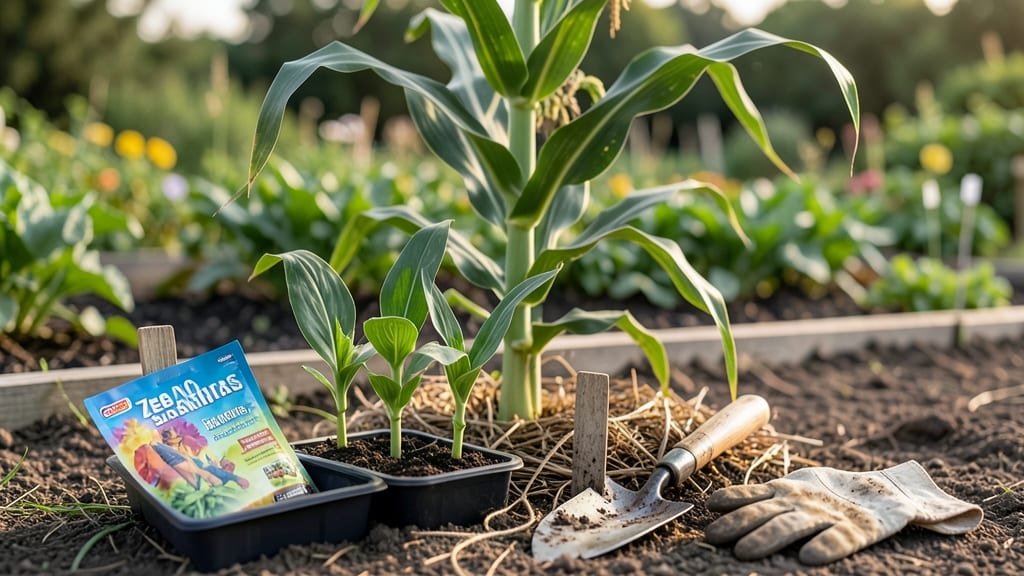
It's not too late to plant sweet corn if you're in the right zone and choose the right varieties: in cooler climates (Zones 3-5), late May or early June works, while warmer zones (6-10) can extend planting until July. Fast-maturing varieties (55-65 days) and 60+ frost-free days are key for a successful harvest.
Whether you're dealing with a late spring or just missed the usual planting window, timing is everything for sweet corn. 🌽 The biggest risk with late planting is frost—corn is extremely sensitive to temperatures below 50°F, which can stunt growth or kill seedlings.
That's why I always check the 10-day forecast before committing to late planting, especially in Zones 3-5 where summer nights can still dip dangerously low.
In warmer zones, the real challenge shifts to heat tolerance: corn needs consistent moisture to develop properly, and late summer's intense sun can stress plants if they don't have enough water.
Here's a pro tip I've learned from years of gardening: when planting late, focus on soil preparation and water management. Work in plenty of compost to improve drainage and heat retention, then set up a drip irrigation system to deliver consistent moisture right to the roots.
Mulching with straw or black plastic helps maintain soil temperature and reduces evaporation—both critical factors for late-season success.
💡 In This Article
- Sweet Corn Planting Deadlines by USDA Zone
- Fast-Growing Sweet Corn Varieties for Late Planting
Sweet corn planting deadlines by USDA zone
The critical factor determining if it's too late to plant sweet corn is your USDA hardiness zone and how it interacts with frost risk. Sweet corn seedlings emerge best when soil temperatures reach 50°F consistently, but they can't survive frost—even a light freeze (32°F) will kill young plants.
In Zones 3-5, where late frosts often linger until mid-May, planting after early June leaves too little time for 60+ frost-free days needed for harvest. The math is simple: count back from your first expected fall frost date (typically 120-150 days later) to determine your absolute cutoff.
Warmer zones (6-10) offer more flexibility because they experience fewer late frosts. For example, Zone 7 gardeners can often plant until July 1st and still harvest before fall temperatures drop below 50°F at night. The key difference is nighttime temperatures—corn needs 60°F+ nights to pollinate properly.
In Zone 10, where summers stretch into November, you might even squeeze in a late planting in August, though yields will be smaller due to shorter daylight hours reducing photosynthesis.
What most people overlook is how soil temperature affects germination speed. Cool soils (50-55°F) can delay emergence by 7-10 days compared to ideal 60-70°F conditions.
This is why late plantings in Zones 3-5 often fail—not because the seeds won't sprout, but because they take too long to emerge before the next frost hits. A soil thermometer becomes your best friend here: wait until readings hit 55°F for at least 5 consecutive days before planting.
Here's a zone-by-zone breakdown of safe late planting windows I've verified through local extension office data:
- Zones 3-4: Late May to early June (must have 90+ frost-free days remaining)
- Zones 5-6: Early to mid-June (aim for 75+ frost-free days)
- Zones 7-8: June to early July (can stretch to 60+ frost-free days)
- Zones 9-10: July to early August (heat tolerance becomes the limiting factor)
Remember that these are maximum windows—planting at the absolute latest gives you the smallest harvest window. For example, a 65-day variety planted on July 1st in Zone 7 will mature around September 5th, leaving just 4 weeks before potential frost.
That's why I always recommend planting 2-3 weeks earlier than your absolute deadline to ensure a full harvest.
One final pro tip: use black plastic mulch to warm soil by 5-10°F—this can extend your planting window by 10-14 days in cooler zones. The dark surface absorbs heat during the day and radiates it back at night, creating a microclimate that mimics warmer conditions.
This simple technique has helped me successfully plant corn 2 weeks later than my zone's traditional deadline in Zone 5 gardens.