
Planting
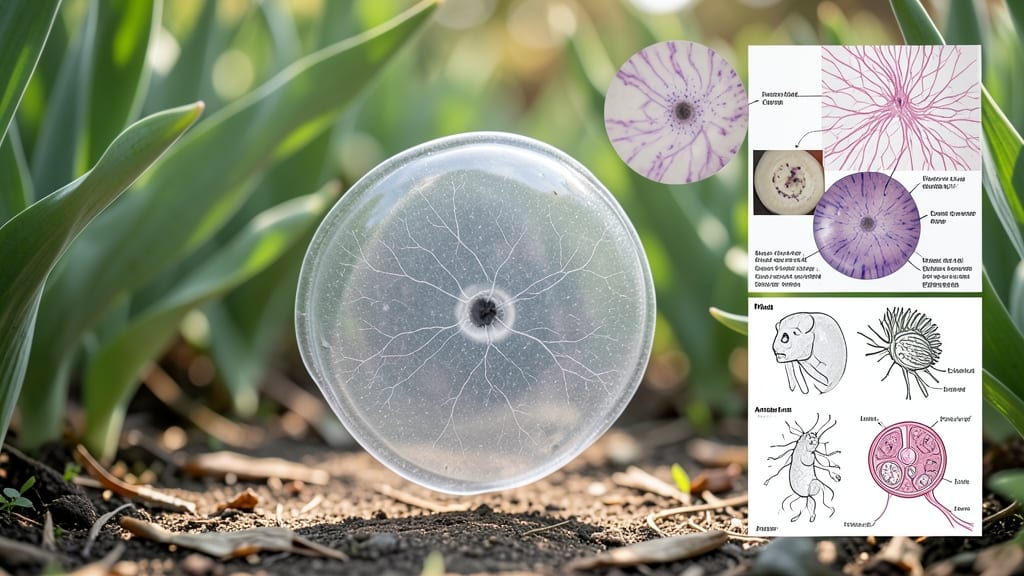
The nucleus exists in both plant and animal cells as the command center for genetic material, but plant cells uniquely combine it with chloroplasts and a rigid cell wall while animal cells lack these structures.
The nucleus isn't exclusive to either cell type—it's present in all eukaryotic cells, meaning both plant and animal versions perform the same core function: storing DNA and controlling cell activities. 🔥 What sets them apart is their cellular environment.
Plant cells package their nucleus alongside chloroplasts (for photosynthesis) and a tough outer cell wall, while animal cells operate without these extra structures, focusing instead on flexibility and mobility. This fundamental difference explains why plant cells can photosynthesize while animal cells rely entirely on external nutrients.
For gardeners or biology enthusiasts, understanding this helps explain why plant cells can grow rigid structures like stems while animal cells form softer tissues.
The nucleus itself remains identical in both, but its supporting cast of cell components creates dramatically different behaviors—like how a plant cell's chloroplasts turn sunlight into energy while an animal cell must consume food instead.
💡 In This Article
- How Cell Structure Differs Between Plant and Animal Nuclei
- Key Visual and Functional Differences in Plant vs. Animal Cells
How cell structure differs between plant and animal nuclei
The nucleus serves as the universal command center in both plant and animal cells, housing DNA and regulating all cellular activities through gene expression. What makes them fundamentally different is how this nucleus interacts with its surroundings.
In plant cells, the nucleus sits within a complex system that includes a rigid cellulose-based cell wall (about 0.1-10 micrometers thick) and chloroplasts for photosynthesis, creating a specialized environment for energy production and structural support.
The nuclear envelope in plant cells must accommodate these additional structures, often positioning itself near chloroplasts to optimize energy transfer. Animal cells, lacking these features, have a more streamlined nucleus that can move freely within the flexible cell membrane.
This mobility allows animal cells to change shape—critical for processes like immune cell movement—while plant cells maintain rigid, fixed structures. 🔥 The plant cell's nucleus also works in tandem with a large central vacuole (taking up 30-90% of cell volume), which stores nutrients and maintains turgor pressure against the cell wall.
Here's where the mechanics get fascinating: the plant cell's nucleus must coordinate with chloroplasts to regulate photosynthesis while maintaining cell wall integrity. When light hits a leaf, chloroplasts convert it to chemical energy, but the nucleus controls which genes get activated to produce enzymes for this process.
In contrast, animal cells don't need this coordination—their nuclei focus solely on metabolic regulation and growth signals.
The nuclear envelope in both cell types maintains a double-membrane structure with pores (about 90 nanometers wide) that regulate molecular traffic. However, plant nuclei have additional connections to the endoplasmic reticulum, which helps synthesize proteins needed for cell wall maintenance.
This structural difference explains why plant cells can grow indefinitely while animal cells have fixed lifespans.
Consider a tomato plant's growth: its cells must balance photosynthesis, water transport through vascular bundles, and cell wall expansion. The nucleus orchestrates all these processes simultaneously, while an animal cell like a muscle fiber focuses only on contraction and repair.
The plant's nucleus essentially wears more hats—it's not just a genetic control center but also a structural coordinator. ✨
This structural complexity also affects how plant cells respond to environmental changes. When a plant wilts, its nuclei help trigger stress responses by activating genes for drought-resistant proteins, while animal cells would simply dehydrate without such protective mechanisms.
The nucleus in both cell types remains identical in function, but its supporting cast of structures creates dramatically different survival strategies.