
Pests
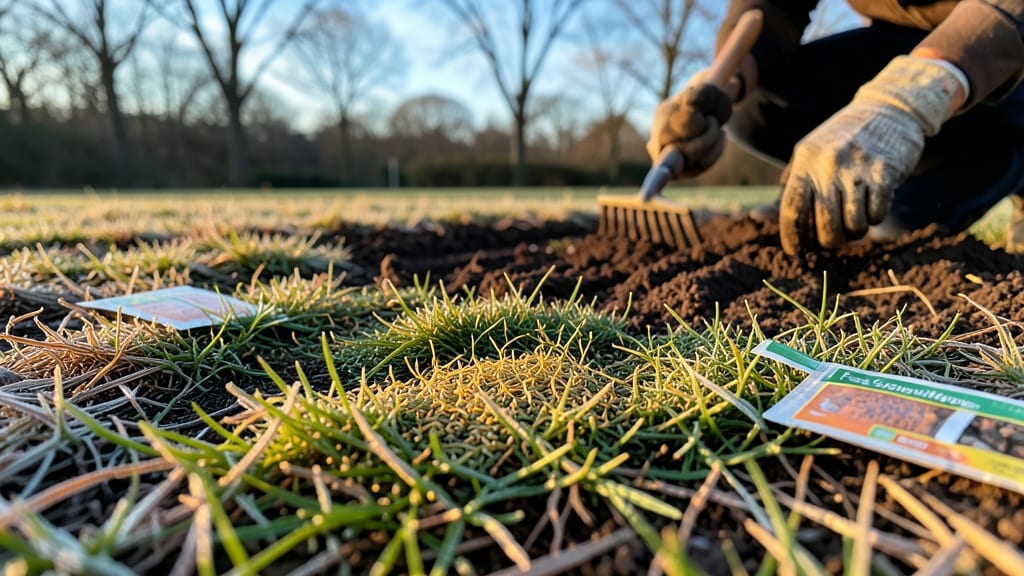
Jack Frost can turn your thriving lawn into a winter casualty if you don’t act now. These 10 essential plant care strategies will help you protect your outdoor greenery from frost damage, ensuring your garden survives—and thrives—through the coldest months.
Early Frost Protection with Mulch Layers
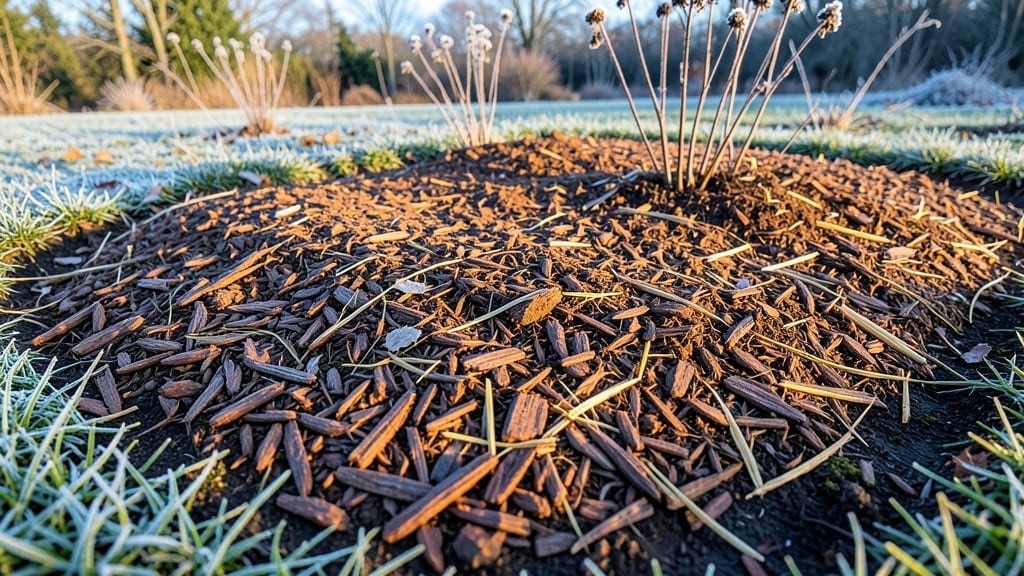
When Jack Frost sneaks in early, mulch becomes your first line of defense—not just for aesthetics, but as a thermal shield for plant roots. A 2-4 inch layer of organic mulch (like shredded bark or straw) can raise soil temperatures by 5-10°F, making all the difference between frozen roots and thriving plants.
Apply mulch before the first frost to let it settle and regulate moisture. Focus on perennial beds and young lawns, where shallow roots are most vulnerable. Avoid piling mulch against plant stems to prevent rot, and refresh the layer each fall. This simple step reduces soil temperature swings and keeps moisture where roots need it most.
Perfect for gardeners in Zone 5-7, where unpredictable late frosts strike, mulching is the lowest-effort, highest-impact way to protect your garden’s foundation. 🌱
Selecting Frost-Resistant Grass Varieties
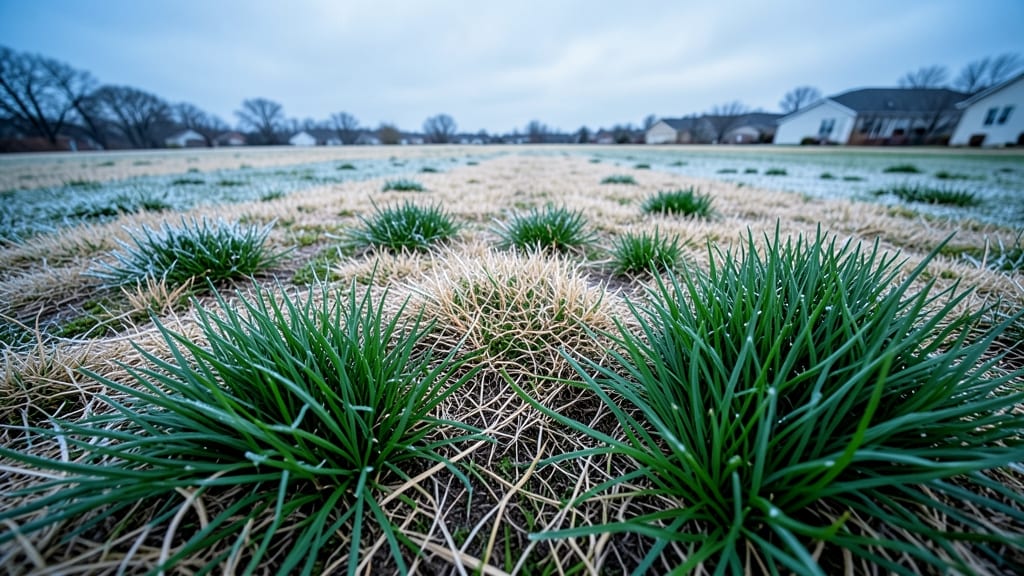
If your lawn looks like a winter battleground every spring, you might be growing the wrong grass. Cold-hardy varieties like Kentucky Bluegrass and Tall Fescue bounce back from frost damage faster than their delicate counterparts, making them the unsung heroes of northern climates.
These grasses thrive in USDA Zones 3-6 and maintain color even under snow. Fine Fescue is another top pick for its drought tolerance and ability to recover from heavy foot traffic after winter. For best results, overseed in early fall when soil temps are still warm but nights are cooling—this gives roots time to establish before frost hits.
Northern gardeners and first-time lawn owners will especially appreciate these varieties, as they require less spring recovery work. 🌱
Watering Strategies Before First Freeze
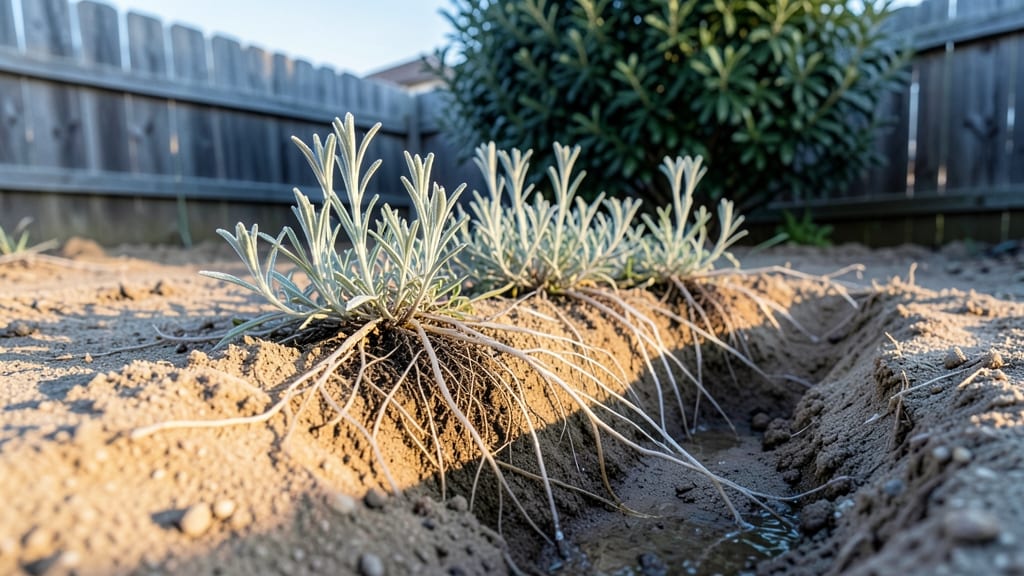
When Jack Frost sneaks in early, your plants’ roots can dry out faster than you think—especially in drought-prone or sandy soils. A deep watering 24 hours before the freeze isn’t just about hydration; it’s about giving the soil a thermal buffer to retain heat longer and shield delicate roots from dehydration.
Water deeply—about 1 inch of water—to encourage roots to absorb moisture before the ground hardens. Focus on perennials, young shrubs, and container plants, which are most vulnerable. Avoid watering right before frost (it can freeze and damage foliage), but this strategic timing helps the soil act as a natural insulator. For sandy soils, repeat the process every 3-4 days leading up to frost for extra protection.
This method is a game-changer for gardeners in regions with unpredictable freezes or low-organic-matter soils, where moisture retention is critical. Give your plants this simple boost, and they’ll thank you with healthier roots come spring. 💪
Using Frost Cloths for Delicate Plants
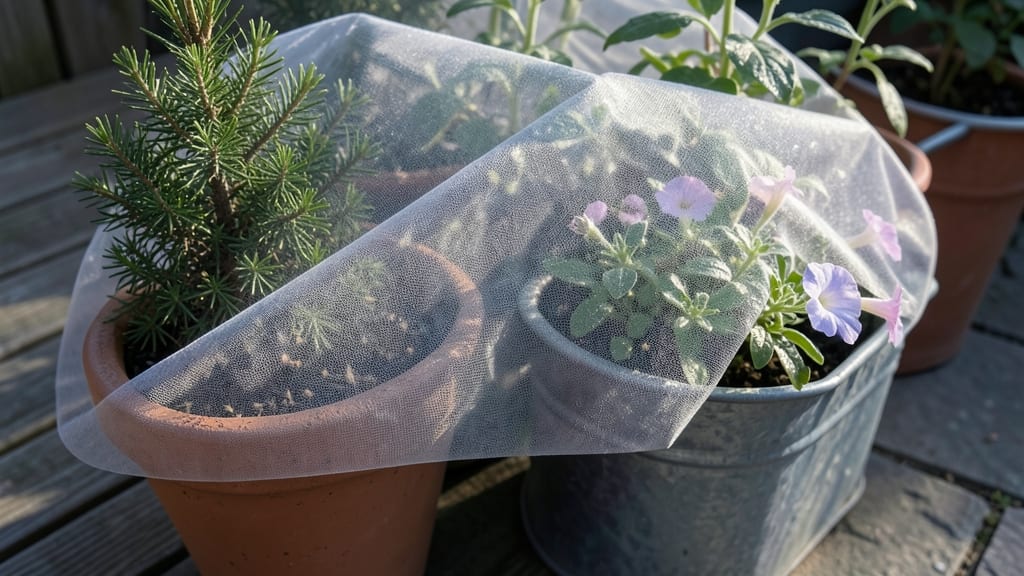
When light frosts (28–32°F) threaten your container gardens, frost cloths offer a lightweight, breathable shield that lets plants breathe while protecting them from damage. Unlike heavy row covers, these ultra-thin fabrics allow sunlight and air circulation, preventing overheating or mold—perfect for herbs, lettuce, and tender perennials that can’t handle even a light chill.
Simply drape the cloth over plants before sunset and remove it by midday to avoid trapping warmth. For potted plants, secure the edges with clothespins or weights to prevent wind damage. This method works especially well for urban gardeners with limited space, as it’s easy to store and reuse season after season.
Frost cloths give your delicate plants a fighting chance without the hassle of bulky covers, making them a must-have for anyone growing frost-sensitive crops in unpredictable climates. 🌱
Pruning Damaged Branches After Frost
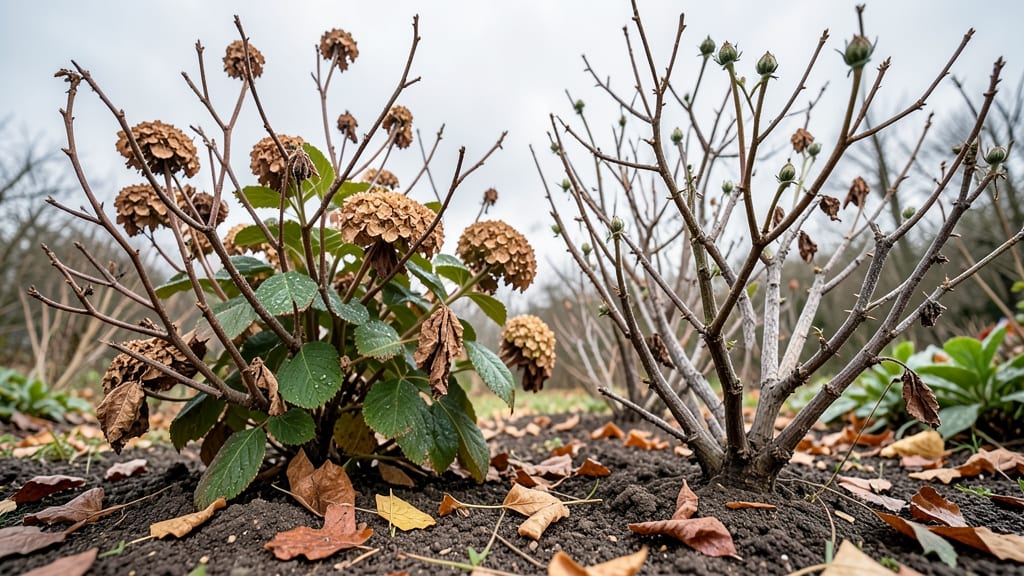
When spring arrives and you spot brown, brittle branches on your hydrangeas or roses, it’s time to prune—not just for aesthetics, but to revitalize growth. Frost damage often leaves plants looking lifeless, but strategic pruning can turn that around by removing dead wood and encouraging fresh, healthy shoots.
Start by cutting back any branches that are completely brown or mushy—these won’t recover. Use clean, sharp pruners to make cuts just above a bud or outward-facing leaf to promote growth in the right direction. For shrubs like lilacs or spirea, prune in early spring before new growth begins, while roses benefit from a slightly later trim once you spot fresh green shoots emerging.
This step is especially valuable for urban gardeners with limited space, as it keeps shrubs compact and flowering. Plus, the healthier the plant, the more resilient it becomes to future frosts. 🌿
Soil Amendment for Winter Recovery
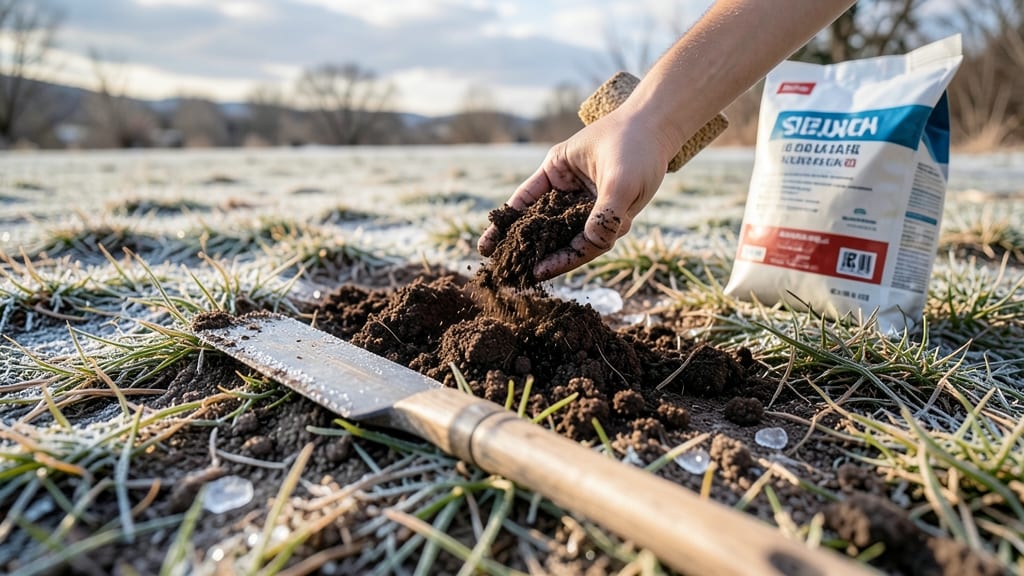
After Jack Frost leaves its icy mark, your soil may look exhausted—but it’s not too late to revive it. A simple early spring soil amendment with compost or slow-release fertilizer can work wonders, replenishing nutrients lost during winter dormancy and giving your lawn and garden beds a much-needed boost.
Focus on organic compost (2–3 inches spread evenly) to improve soil structure and microbial activity, or use a balanced, slow-release fertilizer (10-10-10 or similar) to provide steady nutrition without overloading tender spring growth. For lawns, combine this with a light raking to aerate compacted soil—this helps roots access moisture and nutrients more efficiently. Timing is key: aim for late March to early April, once daytime temperatures consistently stay above 40°F.
This step is especially valuable for urban gardeners with depleted soil or those recovering from severe frost damage. A little extra care now means stronger plants and fewer struggles later in the growing season. 🌱
Windbreak Barriers for Frost-Prone Areas
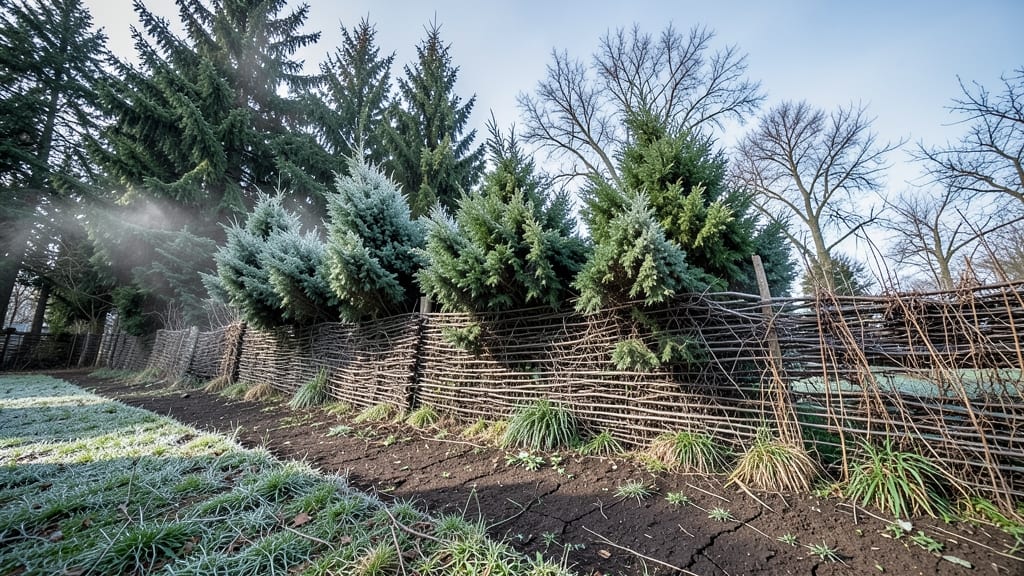
If your garden feels like a wind tunnel during winter, a windbreak barrier could be your secret weapon against Jack Frost. Wind chill accelerates frost damage by drying out soil and plants, but strategic barriers create microclimates that shield vulnerable areas from harsh winds.
Consider evergreen hedges (like arborvitae or leyland cypress) for permanent protection—their dense foliage blocks wind year-round while adding privacy. For temporary solutions, snow fences (made of plastic or wood) reduce wind speed by up to 40% and can be removed in spring. Place barriers 10–15 feet away from your lawn or garden to allow airflow without creating dead zones. Shallow-rooted plants, like newly seeded lawns or young perennials, benefit most from this simple setup.
Urban gardeners with limited space can use trellises covered in burlap or even stacked straw bales as low-cost alternatives. The key is positioning barriers on the windward side of your garden to break the chill before it reaches your plants. 🌿
Avoiding Over-Fertilization in Cold Months
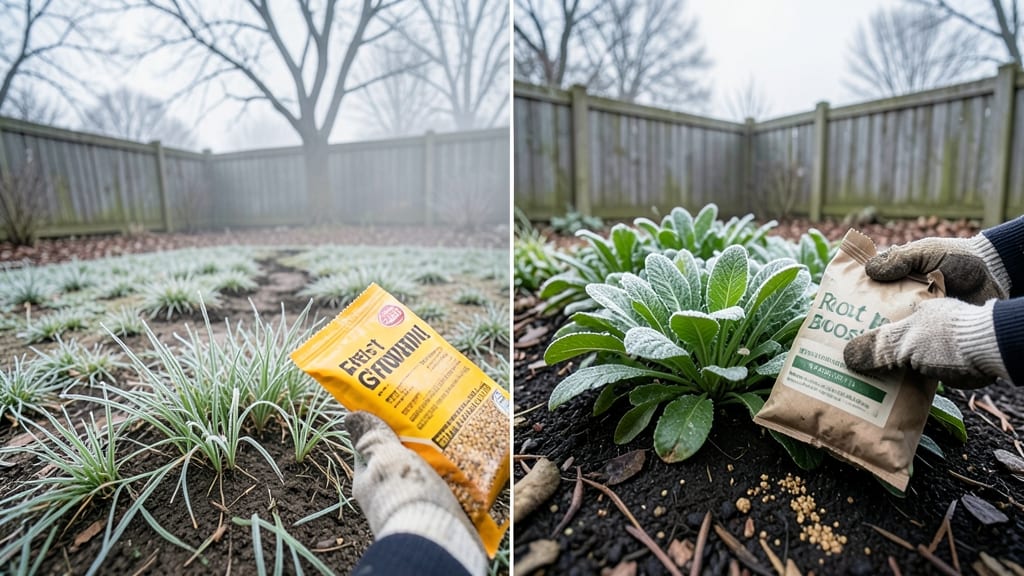
Winter is no time to overfeed your plants—yet many gardeners unknowingly do just that. High-nitrogen fertilizers in cold months trick plants into growing tender new shoots that freeze and die, leaving your garden more vulnerable to frost damage. Instead, focus on root-strengthening nutrients that keep plants dormant but resilient.
Switch to a low-nitrogen, high-phosphorus fertilizer (like 5-10-10) in late fall to encourage deep root growth without stimulating top growth. Avoid fertilizing when temperatures drop below 40°F, as plants become dormant and can’t process nutrients. For lawns, a single application of winterizing fertilizer in early November is often enough—it provides slow-release nutrients while preventing frost-heave damage from expanding soil.
This approach is especially helpful for newly planted perennials and young trees, which need strong roots to survive winter. By avoiding winter fertilizers with high nitrogen, you’ll set your plants up for a healthier spring rebirth. 🌱
Monitoring Frost Depth with Soil Thermometers
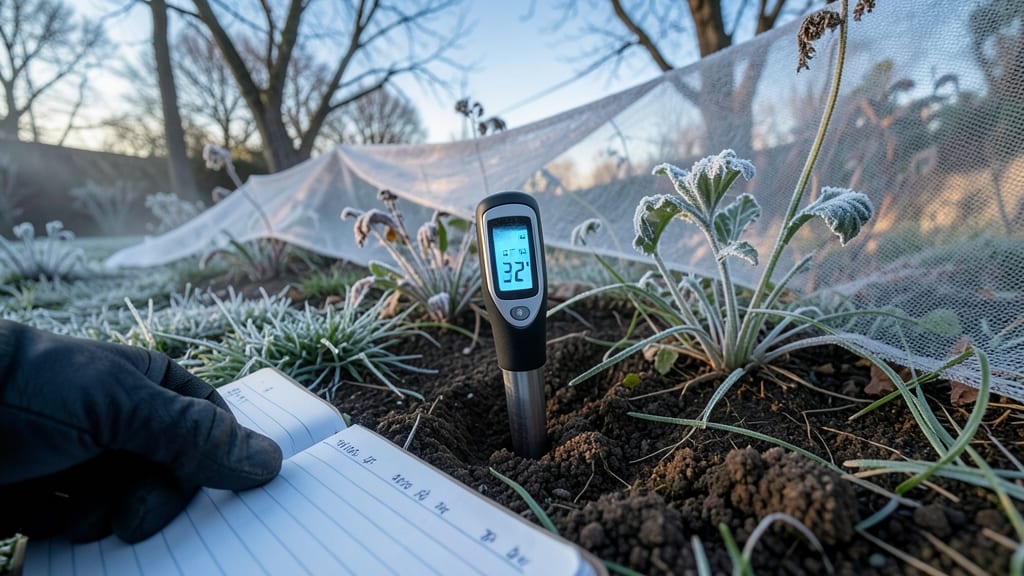
A late-season frost can strike when you least expect it, leaving your garden vulnerable even after warm spells. A soil thermometer is your secret weapon for predicting frost depth and timing protective measures—like covering plants or adjusting watering—before damage occurs.
Buried 4 inches deep (the typical root zone for most plants), a soil thermometer gives you real-time readings of ground temperature, not just air temperature. When readings drop below 32°F (0°C), take action: move potted plants indoors, apply frost cloths, or trigger irrigation systems to release stored heat. This is especially useful in USDA Zones 5-7, where unpredictable winter fluctuations can turn a mild night into a killing freeze overnight.
Gardeners in transitional climates—like those in the Pacific Northwest or Mid-Atlantic—will find this tool invaluable for late-spring or early-fall frosts. It’s the difference between a garden that survives and one that suffers. 💡
Reviving Frost-Burned Lawns with Overseeding

Spring’s first frost damage doesn’t have to mean a patchy, uneven lawn all season. Overseeding in early spring is your secret weapon—it fills those frost-burned gaps with fresh, uniform growth before weeds or bare soil take over.
Choose a fast-germinating grass seed like perennial ryegrass or fine fescue, then spread it evenly over your lawn after mowing short (about 1.5 inches). Lightly rake the soil to ensure good seed-to-soil contact, then keep the area moist with daily watering for the first 2-3 weeks. This method can restore up to 80% of your lawn’s density within 6-8 weeks, outpacing natural regrowth.
Perfect for homeowners tired of patchy lawns or renters who want quick results, overseeding turns frost damage into an opportunity for a thicker, greener lawn—without the wait. 🌱