
Planting
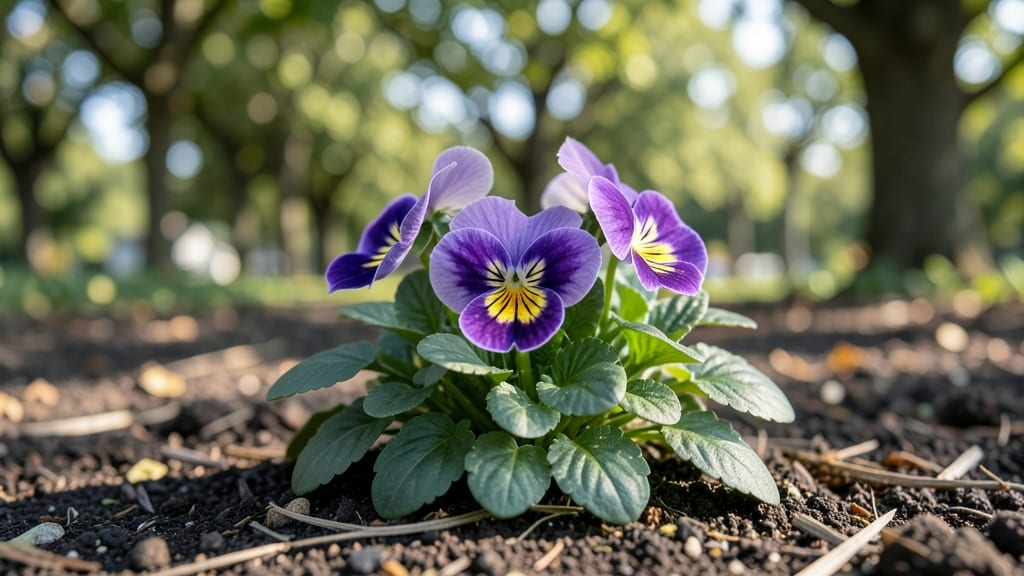
Cold-hardy pansy plant care that keeps blooming through frost is the secret weapon of patient gardeners. 🌱 I’ve grown them for years in every season—from spring’s first thaw to late fall’s crisp air—and they’ve never failed to deliver those cheerful faces in the garden.
The trick isn’t just planting them; it’s giving them the right conditions to bounce back after cold snaps, pests, or even heavy rain.
They thrive in partial shade, which means morning sun and afternoon shade works best—especially in hotter zones. Soil should be well-draining but rich in organic matter, and watering should be consistent but not soggy.
Overwatering is their #1 enemy, so I check soil moisture before watering again. A light fertilizer every 4-6 weeks keeps blooms coming, but don’t overdo it—they’re not heavy feeders.
By late summer, you’ll notice some spent blooms and leggy stems. That’s your cue to prune back by a third to encourage fresh growth. The plants reward you with nonstop color until frost, and even then, they often survive winter to bloom again in spring.
It’s like having a garden that never sleeps.
Works for containers, borders, or even as edging plants. Once you master their care, you’ll wonder why you didn’t start sooner—they’re the easiest cold-tolerant annuals around.
📚 In This Guide
- What you need
- Instructions
- Tips and common mistakes
- Wrapping up and next steps
What you need
- ● Pansy plants: 6–12 plants per square foot (for borders or containers)
- ● Seedlings (transplant after last frost for spring/fall planting)
- ● Seeds (if starting indoors 8–10 weeks before last frost)
- ● Soil: Well-draining potting mix (for containers) or garden soil amended with compost (for in-ground planting)
- ● 1–2 cups of perlite or sand (per 5-gallon container) to improve drainage
- ○ Containers (optional but handy): 6–12" deep pots with drainage holes (1 plant per 6" of pot diameter)
- ● Window boxes or hanging baskets (for vertical gardening)
- ● Fertilizer: Balanced 10-10-10 or 20-20-20 fertilizer (follow label for dilution)
- ● Slow-release granular fertilizer (sprinkle at planting time)
- ● Watering tools: Watering can with a rose nozzle (for gentle watering)
- ● Hose with a soft spray attachment (for larger gardens)
- ● Pruning shears: Small, sharp pair for deadheading and shaping
- ○ Mulch (optional): 1–2 inches of straw or shredded bark to retain moisture and suppress weeds
- ● Shade cloth: 30–50% coverage for afternoon sun protection in hot climates
- ● Plant supports: Small stakes or cages if pansies flop in heavy rain
- ● Epsom salt: 1 tablespoon per gallon of water (monthly for magnesium boost)
- ● Compost tea: Homemade or store-bought for a nutrient-rich soil boost
- ● Plant labels: To track varieties (pansies come in so many colors!)
Step-by-step pansy plant care for year-round blooms
Pansies handle cold like champions—here's how to keep them flowering beautifully through frost and heat.
🌱 Step 1: Choose the Right Spot for Sun and Shelter
Pansies need 4-6 hours of morning sun but will fade in afternoon heat. I plant mine where they get bright light early but dappled shade after 10 AM—think east-facing beds or partially shaded garden corners. They also appreciate a bit of wind protection, so avoid exposed hilltops or open patios.
Check your site's moisture too. Pansies hate soggy roots but won't survive drought either. If your soil drains poorly, raise them in a 6-inch deep mound or container with extra perlite mixed in. You'll know you've got it right when the soil stays evenly moist but not waterlogged after a heavy rain.
☀️ Step 2: Water Deeply and Consistently
Water pansies at the soil level—never overhead—to prevent fungal diseases like powdery mildew. I use a gentle stream from a hose with a fine nozzle or a watering can with a narrow spout. Aim for 1 inch of water per week, more in extreme heat. The key is keeping the roots consistently moist without letting them sit in water.
Here's the telltale sign you're watering right: the top inch of soil should feel slightly damp to your fingertip. If it's bone dry, water immediately. If it's still damp after 24 hours, cut back. Mulch with 2-3 inches of shredded bark to retain moisture and protect roots from temperature swings.
✂️ Step 3: Deadhead and Fertilize for Continuous Blooms
Pinch off spent blooms as soon as they fade to encourage more flowers. I use my thumb and forefinger to gently twist them off—no need for scissors. This simple step keeps pansies flowering for months instead of just a few weeks. Also, feed every 4-6 weeks with a balanced 10-10-10 fertilizer (half-strength) during active growth.
Real talk: pansies get leggy if they don't get enough light or fertilizer. If you notice stems stretching thin and flowers getting sparse, it's time to either move them to a sunnier spot or give them a light feeding. I've found that a quick top-dressing of compost in early spring jumpstarts their growth after winter dormancy.
🪴 Step 4: Protect From Extreme Conditions
Pansies tolerate light frost but need winter protection in harsh climates. I cover them with a 2-3 inch layer of straw mulch before the first hard freeze (20°F or lower). In spring, remove mulch gradually as temperatures warm to avoid shocking the plants. For summer heat waves, provide afternoon shade with a lightweight shade cloth if temperatures exceed 85°F for more than a few days.
Watch for wilting during heatwaves—this is your cue to increase watering slightly. Pansies will bounce back quickly if roots stay moist. In my zone 5 garden, I've had pansies bloom from early spring through fall with proper care, even surviving mild winters with just a little protection.
⏰ Step 5: Divide and Renew Every 2-3 Years
Pansies form dense clumps that benefit from division every 2-3 years to rejuvenate growth. In early spring, dig up the entire plant and separate it into smaller sections with a clean knife. Each section should have at least 3-4 stems. Replant immediately in fresh soil with a light fertilizer application.
This is the moment that matters: dividing prevents the center from dying out while the outer edges keep growing. I've seen pansy patches that looked tired for years come back to life after division. It's like giving them a fresh start—just be gentle with the roots and keep them well-watered for the first week after transplanting.
Tips & tricks for perfect pansy plant care
These simple strategies will help your pansies thrive and keep blooming like they're in a flower show—no matter the season.
Location is Everything: I can't stress this enough: that 4-6 hours of morning sun is non-negotiable. If your garden gets harsh afternoon sun, consider planting pansies near a north-facing wall or under deciduous trees that provide shade in summer but allow light in winter. I've seen pansies in my own garden completely fade by midday in full sun, while those with afternoon shade keep their vibrant colors all season long.
Watering Wisdom: The 1 inch per week guideline is perfect, but here's the secret: water in the morning so leaves have all day to dry. Wet foliage sitting overnight is an open invitation for powdery mildew. I use a soaker hose for my containers—it delivers water right to the roots without wetting the leaves, and I can set it on a timer for those busy weeks.
Fertilizer Timing: That 4-6 week feeding schedule with half-strength 10-10-10 works wonders, but I've found an extra boost comes from adding a handful of compost around each plant in early spring. The slow-release nutrients give them just what they need without risking over-fertilization. And if you notice those leggy stems, a light top-dressing of compost often brings them right back to vigorous growth.
Winter Protection: When temperatures drop below 20°F, I don't just throw on mulch—I create a mini greenhouse effect. After adding that 2-3 inch straw layer, I place a clear plastic dome (like a large salad container) over each plant. It traps just enough heat to protect them through light frosts. Remove it during the day when temps rise above freezing to prevent overheating.
Pro Tips for Pansy Plant Care
- These simple strategies will help your pansies thrive and keep blooming like they're in a flower show—no matter the season.
- Location is Everything: I can't stress this enough: that 4-6 hours of morning sun is non-negotiable.
- Watering Wisdom: The 1 inch per week guideline is perfect, but here's the secret: water in the morning so leaves have all day to dry.
Frequently asked questions
Got questions about keeping your pansies happy and blooming? Here are answers to the most common ones—so you can enjoy those cheerful faces in your garden all year!
How often should I water pansy plants?
Water pansies when the top inch of soil feels dry—usually 1-2 times per week, depending on your climate. In hot weather, they may need daily watering, but avoid soggy soil to prevent root rot. Mulching helps retain moisture and keeps roots cool.
Can pansies survive winter, and do they need extra care?
Yes! Pansies are cold-hardy and thrive in winter (USDA zones 3-11). For extra protection, add a light layer of mulch (2-3 inches) around the base. If snow covers them, it’s like a cozy blanket—no need to remove it unless it’s heavy and damaging.
Why aren’t my pansies blooming as much as they should?
Overcrowding, poor soil, or lack of sunlight can stunt blooms. Deadhead spent flowers to encourage new ones, and fertilize lightly with a balanced formula (10-10-10) every 4-6 weeks. If they’re leggy, trim them back to promote bushier growth.
What pests or diseases should I watch for in pansy plants?
Common issues include aphids, slugs, and powdery mildew. Spray off pests with water or use neem oil. For mildew, improve airflow and avoid overhead watering. Rotate crops yearly to prevent soil-borne diseases like Fusarium wilt.
Can I grow pansies in containers, and what’s the best setup?
Use containers with drainage holes and well-draining potting mix. A 12-inch pot works for 3-5 plants. Place them where they get 4-6 hours of sunlight daily, and water consistently. Containers dry out faster, so check soil moisture often.
Wrapping up and next steps
Caring for pansies is a rewarding journey—these cold-hardy beauties bring vibrant color to gardens even in chilly seasons! With the right light, soil, and watering, plus a little seasonal attention, you’ll enjoy long-lasting blooms that keep giving. 🌸
Now that you’re armed with tips, take the next step: grab your gardening gloves, pick your favorite pansy varieties, and plant them with confidence!
Whether you’re a beginner or a seasoned gardener, these cheerful flowers will thrive under your care—and maybe even inspire you to expand your garden adventures. Happy planting! 🌱