
Planting
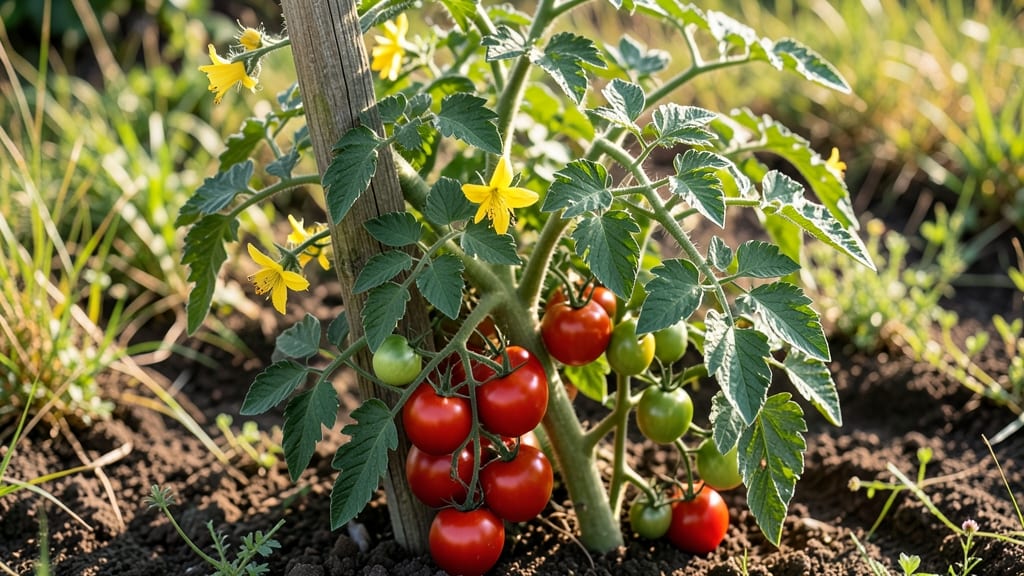
Growing a Jubilee tomato means summer harvests that outlast the heat. 🌞 This heat-resistant variety keeps producing when other plants fade, delivering sweet, meaty fruit even as temperatures climb. My first Jubilee plant gave me tomatoes in August and September when my other varieties had already quit.
The secret starts with well-draining soil (amend with compost) and consistent moisture—never soggy roots. Jubilee thrives in full sun (6-8 hours daily) and handles heat better than most, but mulch helps retain moisture.
Prune suckers regularly to focus energy on fruit production, and watch for early blight—this variety stays healthier than many heirlooms. You'll taste the difference when the first 2-inch red tomatoes appear, packed with flavor despite the heat.
The plants stay compact (4-5 feet tall) but produce 10-15 pounds per plant when cared for properly. Even in my zone 9 garden, they keep going until frost. Perfect for containers or in-ground planting—just give them space and patience. The payoff?
A harvest that lasts longer than any other variety in my garden. Let's get those seeds in the ground!
📚 In This Guide
- What you need
- Instructions
- Tips and common mistakes
- Wrapping up and next steps
What you need
- ● Jubilee tomato seeds or seedlings: 1-3 plants (depending on space and desired yield). Choose organic seeds if possible for the best results.
- ● Growing containers or garden bed: For containers: 5-gallon pots or larger (at least 12-18 inches deep and wide).
- ● For in-ground planting: Well-draining soil in a sunny spot (6-8 hours of sunlight daily).
- ● High-quality potting mix or garden soil: 1-2 bags (ensure it’s rich in organic matter and well-draining).
- ● Tomato cages or stakes: 2-3 sturdy cages (6-8 feet tall) or bamboo stakes to support vines as they grow.
- ● Balanced fertilizer (10-10-10 or organic alternative): 1-2 bags or a slow-release granular formula.
- ● Watering can or hose with a gentle spray nozzle: For consistent moisture without disturbing the soil.
- ● Mulch (straw, grass clippings, or shredded leaves): 1-2 bags to retain soil moisture and suppress weeds.
- ● Grow lights or shade cloth: For seedlings or hot climates (to prevent overheating).
- ● Epsom salt (magnesium sulfate): 1-2 tablespoons per plant (boosts tomato production).
- ● Compost or worm castings: To enrich soil with nutrients naturally.
- ● Pruning shears: For trimming suckers and shaping the plant.
- ● Plant markers: To label your Jubilee tomatoes and track progress.
Step-by-step instructions for growing Jubilee tomatoes
Here's how to cultivate this heat-loving variety into a thriving plant that rewards you with sweet, abundant fruit.
🌱 Step 1: Select the Perfect Planting Location
Jubilee tomatoes thrive in full sun—choose a spot that receives at least 8 hours of direct sunlight daily. I always scout locations in late afternoon when the sun casts long shadows; this helps identify true sun exposure. Avoid areas where afternoon shade cuts sunlight short, as Jubilee needs consistent warmth to set fruit.
If your garden has limited sun, prioritize the warmest microclimate—near a south-facing wall or patio where heat reflects back onto the plant. You'll see stronger stems and more prolific flowering when the plant receives unobstructed sun from morning through early evening.
🪴 Step 2: Prepare Soil for Heat Tolerance
Amend your soil with 2-3 inches of compost mixed into the top 12 inches of soil. Jubilee tomatoes prefer slightly acidic soil with a pH of 6.0-6.8. Test your soil's pH before planting—if it's too alkaline, add sulfur or peat moss to adjust. The goal is loose, well-draining soil that holds moisture without becoming waterlogged.
Work in a handful of balanced organic fertilizer (like 5-5-5) at planting time. This gives the plant an immediate nutrient boost to support its vigorous growth. Avoid fresh manure—it can burn roots and attract pests. Instead, use well-aged compost or a slow-release fertilizer for steady nutrition.
☀️ Step 3: Plant at the Right Time and Depth
Wait until the soil temperature reaches at least 60°F before transplanting Jubilee seedlings. Cold soil slows root establishment and increases disease risk. I use a soil thermometer to confirm—planting too early is the biggest mistake I see beginners make with heat-loving varieties.
Dig a hole twice as wide as the root ball but no deeper. The top of the root ball should sit 1 inch below soil level—this encourages strong root growth while keeping the stem stable. Gently firm the soil around the roots to remove air pockets, then water deeply to settle everything in place.
💧 Step 4: Water Deeply and Maintain Consistent Moisture
Water Jubilee tomatoes at the base using a soaker hose or drip irrigation to keep the soil evenly moist. Aim for 1-1.5 inches of water per week, adjusting for rainfall. Let the top 1-2 inches of soil dry out slightly between waterings—this prevents blossom-end rot, a common issue with tomatoes when moisture fluctuates.
Mulch with 2-3 inches of straw or shredded leaves to retain soil moisture and regulate temperature. Avoid organic mulches like grass clippings—they can draw nitrogen away from your plants. You'll notice fewer watering demands and more consistent growth when the soil stays stable and cool.
✂️ Step 5: Prune and Support for Maximum Yield
Pinch off the first flower cluster when the plant reaches 12-18 inches tall. This redirects energy to leaf and stem growth, resulting in a stronger plant that produces more fruit later. Remove any suckers (side shoots) that form in the leaf axils—these compete with the main stem for nutrients.
Install a sturdy cage or stake as soon as you plant. Jubilee tomatoes grow large, so support prevents sprawling and fruit rot. Prune regularly to improve airflow—this reduces disease risk and helps the plant focus its energy on fruit production rather than excessive foliage.
Tips & tricks for perfect Jubilee tomato growth
Took me years of trial-and-error to master these heat-resistant varieties—here's what actually makes the difference between a struggling plant and a fruit-loaded powerhouse.
Sunlight Strategy: That 8-hour daily sun requirement isn't just about daylight—it's about intensity. I've found that placing Jubilee tomatoes near reflective surfaces like white walls or light-colored gravel can increase effective sunlight exposure by up to 20%. The key is morning sun (6am-10am) paired with afternoon warmth (2pm-6pm); this prevents heat stress while maximizing photosynthesis. If your garden has afternoon shade, consider using a portable shade cloth during peak heat hours (12pm-3pm) to protect young plants.
Soil Temperature Secret: The 60°F soil temperature threshold isn't arbitrary—it's when tomato roots become active. I use a soil thermometer for three days before planting to confirm consistent warmth. Pro tip: Black plastic mulch can raise soil temperatures by 5-10°F, helping you plant earlier in spring. Just remember to remove it after harvest to prevent soil compaction.
Watering Wisdom: That 1-1.5 inches weekly guideline assumes average conditions—adjust for your climate. In my hot, dry region, I water Jubilee tomatoes every other morning (about 1 inch each time) and always check soil moisture by sticking my finger 2 inches deep. The topsoil should feel slightly dry at this depth; if it's bone-dry, you're either watering too little or not deeply enough. Drip irrigation at the base prevents leaf diseases that often plague overhead watering methods.
Pruning Precision: When pinching off that first flower cluster at 12-18 inches, look for the first set of leaves above the graft union (if using grafted plants). This is where the plant's energy should focus first—strong stem and root development. I've found that removing suckers larger than a pencil eraser prevents nutrient competition while still allowing some lateral growth for fruit production. The goal is to create an open canopy that maximizes sunlight penetration to lower leaves.
Pro Tips for Jubilee Tomato Plant
- Took me years of trial-and-error to master these heat-resistant varieties—here's what actually makes the difference between a struggling plant and a fruit-loaded powerhouse.
- Sunlight Strategy: That 8-hour daily sun requirement isn't just about daylight—it's about intensity.
- Soil Temperature Secret: The 60°F soil temperature threshold isn't arbitrary—it's when tomato roots become active.
Frequently asked questions
Got questions about growing your own Jubilee tomato plant? You’re not alone! This heat-resistant variety is a favorite, but it’s natural to have a few doubts before diving in. Below, we’ve answered the most common questions to help you grow like a pro—no stress, just delicious tomatoes!
How long does it take for a Jubilee tomato plant to produce fruit?
The Jubilee tomato plant typically starts flowering about 50–60 days after transplanting (or 70–80 days from seed). With ideal warmth and care, you can expect your first ripe tomatoes in 65–75 days. Patience is key—these beauties are worth the wait!
Can I grow Jubilee tomatoes in containers, or do they need a garden bed?
Jubilee tomatoes thrive in 5-gallon containers or larger with proper drainage. Just ensure the pot is at least 12–18 inches deep and use a lightweight potting mix to support the plant’s weight. A sturdy trellis or cage is a must to keep the vines upright.
What’s the best way to protect Jubilee tomatoes from extreme heat or drought?
Jubilees are heat-tolerant, but consistent moisture is crucial. Mulch around the base to retain soil moisture, and water deeply in the early morning to avoid evaporation. If temps hit 95°F+ (35°C+), provide afternoon shade with a cloché or shade cloth to prevent sunscald.
Why are my Jubilee tomatoes cracking, even though I’m watering them regularly?
Cracking often happens when soil moisture fluctuates too quickly—like heavy watering after a dry spell. To prevent it, water consistently (1–2 inches per week) and avoid letting the soil dry out completely. Prune excess foliage to improve airflow and reduce stress on the plant.
Are Jubilee tomatoes self-pollinating, or do I need to hand-pollinate them?
Great news! Jubilee tomatoes are self-pollinating, meaning bees or gentle shaking of the plant usually does the trick. If you’re growing indoors or in a low-bee area, lightly shake the plant during flowering to encourage pollination. No extra work needed!
What’s a good alternative if I can’t find Jubilee tomato seeds?
If Jubilee tomatoes aren’t available, try these heat-resistant alternatives:
- Solar Fire – Another heat-loving variety with sweet, red fruit.
- Heatmaster – Disease-resistant and productive in hot climates.
- Celebrity – Reliable performer with fewer issues in extreme heat.
Wrapping up and next steps
Growing a jubilee tomato plant is your ticket to a sun-drenched, flavor-packed harvest—even in the hottest climates! 🌞 With the right soil, spacing, and care, you’ll enjoy juicy, disease-resistant tomatoes that’ll make your kitchen (and taste buds) sing.
Whether you’re a seasoned gardener or a curious beginner, this heat-loving variety rewards patience with big, bold rewards.
Ready to dive in? Start by prepping your soil, choosing the perfect spot, and planting your seeds or seedlings—then watch your garden transform! Happy planting, and may your tomatoes be plentiful and delicious! 🍅✨