
Planting
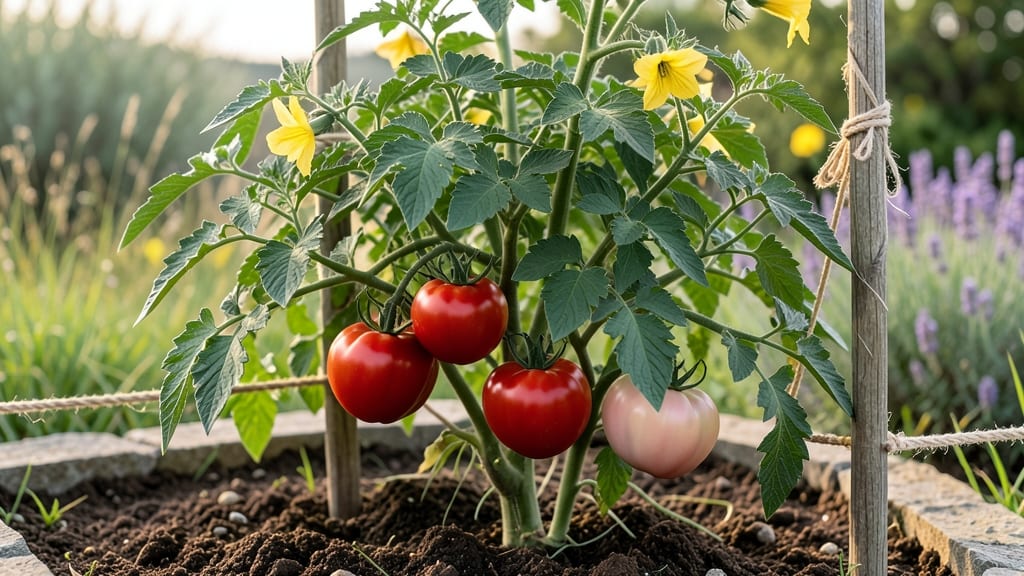
Growing a steak tomato plant means beefy fruit that rivals grocery store tomatoes—12 ounces each—but only if you follow the right steps. 🌱 These sun-loving giants need more than just space; they demand rich, well-draining soil, strategic pruning, and a trellis to support their weight.
I’ve grown them for years, and the secret isn’t just patience—it’s knowing exactly when to stake, prune, and water to avoid cracked fruit or blight.
The setup is simple but critical: 6-foot-tall cages or stakes, a 5-gallon pot minimum (or deep in-ground beds), and full sun (8+ hours daily). Steak tomatoes thrive in zones 4-10, but heatwaves over 90°F can stress them—morning watering and afternoon shade cloth help.
Most gardeners overlook pruning suckers (those side shoots) early; I learned the hard way that skipping this step means smaller fruit and more disease pressure. By mid-summer, you’ll be harvesting tomatoes the size of softballs, perfect for slicing or grilling.
The key is consistent moisture (1-2 inches per week) and removing lower leaves to improve airflow. Companion plants like basil or marigolds deter pests, while avoiding fennel (it stunts growth). With the right care, one plant can yield 20+ pounds—enough to feed a family all season.
For container growers, choose dwarf varieties like ‘Steakhouse’ or ‘Big Beef’ and upgrade to 7-gallon pots for stability. In cooler climates, start seeds indoors 6-8 weeks before last frost or buy sturdy transplants. The payoff? Flavor and size that dwarf store-bought tomatoes—no fancy recipes needed, just great gardening.
📚 In This Guide
- What you need
- Instructions
- Tips and common mistakes
- Wrapping up and next steps
What you need
- ● Steak tomato seeds or seedlings: Choose a Solanum lycopersicum variety like 'Brandywine,' 'Cherokee Purple,' or 'Big Beef' (6-8 seeds or 2-3 seedlings).
- ● Containers or garden bed: Containers: 5-gallon pots (1 per plant) with drainage holes.
- ● Garden bed: Full sun (6-8+ hours/day) and well-draining soil (pH 6.0-6.8).
- ● High-quality potting mix: 5-10 lbs of organic, well-aerated mix (e.g., Miracle-Gro Potting Mix or homemade blend: 60% compost, 30% coconut coir, 10% perlite).
- ● Fertilizer: Balanced organic fertilizer (e.g., 10-10-10 or fish emulsion for seedlings).
- ● Tomato-specific fertilizer (e.g., Espoma Tomato-Tone) for flowering/fruiting.
- ● Support system: 6-8 ft tall cage, trellis, or stakes (1 per plant).
- ● Watering can or hose: With a gentle spray nozzle for even moisture.
- ● Pruning shears: Sharp, clean pair for trimming suckers and dead leaves.
- ● Mulch (e.g., straw or shredded leaves) to retain moisture.
- ● Drip irrigation kit for automated watering.
- ● Plant food (e.g., compost tea) for a nutrient boost.
- ● Row covers (early season) to protect from frost.
- ● Garden journal to track progress and harvest dates!
Step-by-step guide to growing a sun-resistant steak tomato plant
Here's how to cultivate a robust steak tomato plant that thrives in full sun while delivering those prized, beefsteak-sized fruits.
🌱 Step 1: Select and Prepare the Right Location
Steak tomatoes need at least 8 hours of direct sunlight daily to develop their signature size and flavor. Choose a spot that gets morning sun and partial afternoon shade if your climate exceeds 90°F—this prevents sunscald on the fruit. I always test my spot by placing a white plate in the sun for a week; if it's hot enough to burn your hand after 30 minutes, the area has too much intensity.
Amend the soil with 2-3 inches of compost mixed into the top 12 inches of soil. Steak tomatoes are heavy feeders, so I add a 5-10-10 fertilizer at planting time to give them a nutrient boost. Avoid fresh manure—it can burn tender roots and attract pests. Work the compost in until the soil looks dark and crumbly, like a well-aerated cake batter.
🪴 Step 2: Plant Deeply and Stake Early
Dig a hole twice as wide as the root ball but only as deep as the container it came in. Steak tomato plants benefit from being buried deeper—this encourages stronger root systems. I gently loosen the roots and place the plant in the hole, then fill it halfway with soil. Water deeply to settle the roots, then add more soil until the plant sits 1-2 inches deeper than it did in the pot.
Install a 6-foot tall stake or cage immediately after planting. Steak tomatoes grow 4-6 feet tall and produce 3-5 pound fruits, so they need sturdy support. Drive the stake 12 inches deep into the ground and tie the main stem loosely with soft plant ties—too tight now will restrict growth. If using a cage, press it firmly into the soil so it doesn’t topple when the plant matures.
☀️ Step 3: Water Strategically and Mulch Heavily
Water steak tomatoes deeply 2-3 times per week, aiming for 1-1.5 inches of water each session. The key is consistency—fluctuating moisture causes blossom-end rot, which ruins the fruit. I water in the early morning so the foliage dries quickly, reducing disease risk. Check moisture by pushing your finger 2 inches into the soil; if it feels dry, it’s time to water.
Apply a 3-inch layer of organic mulch (straw or wood chips) around the base of the plant, keeping it 6 inches away from the stem. Mulch conserves moisture, regulates soil temperature, and prevents soil-borne diseases from splashing onto the leaves. Replenish the mulch as it breaks down—this ensures the soil stays cool and moist throughout the growing season.
✂️ Step 4: Prune for Airflow and Fruit Production
Prune steak tomatoes weekly to remove suckers (the small shoots that form in the joint between the main stem and branches). Pinch these off with your fingers or clean pruners—suckers drain energy from the plant and reduce fruit size. I also remove any leaves that touch the soil to prevent disease. The goal is to keep the plant open and airy, which improves airflow and reduces humidity around the fruit.
Once the plant reaches 3 feet tall, start topping—this means cutting off the growing tip of the main stem. Topping encourages the plant to put energy into fruit production rather than vertical growth. Use clean pruners to make a 45-degree cut just above a leaf node. This step is crucial for steak tomatoes, as their massive fruit requires all the plant’s resources.
🍅 Step 5: Harvest and Support for Maximum Yield
Harvest steak tomatoes when they’re fully colored and slightly soft to the touch. These tomatoes can get heavy, so I use a small basket to cradle them while twisting gently to avoid damaging the stem. Harvest in the morning when the fruit is cool and firm—this preserves quality. Leave the tomatoes on the vine as long as possible for maximum flavor, but remove any that show signs of cracking or disease immediately.
As the season progresses, prune aggressively to remove any branches that bear smaller fruits—steak tomatoes need all their energy focused on producing fewer, larger fruits. If the plant looks stressed, I give it a balanced fertilizer (like 10-10-10) mid-season to keep it producing. With proper care, a single steak tomato plant can yield 20-30 pounds of fruit—enough to feed a family for months!
Tips & tricks for growing sun-resistant steak tomatoes
A few simple strategies can transform your steak tomato plant from a struggling survivor to a thriving powerhouse capable of producing those legendary beefsteak-sized fruits.
Sunlight Strategy: The 8 hours of direct sunlight requirement is non-negotiable, but here's what I've learned about managing extreme heat: If your area regularly exceeds 90°F, create a DIY shade cloth using 50% shade fabric suspended above the plants during peak afternoon sun (2-5 PM). This prevents sunscald without depriving them of essential light. I've seen plants in 100°F+ climates thrive with this approach, producing fruit just as large as their cooler counterparts.
Soil Science: When amending soil with 2-3 inches of compost and 5-10-10 fertilizer, don't stop there. Mix in 1 cup of crushed eggshells per plant for calcium—this prevents blossom-end rot, a common issue with heavy-feeding varieties. The eggshells break down slowly, providing a steady calcium supply throughout the season. I also add a handful of wood ash (from untreated wood) to raise soil pH slightly, as steak tomatoes prefer a 6.2-6.8 pH range for optimal nutrient uptake.
Support System: That 6-foot tall stake or cage is your plant's lifeline, but here's the secret: Install a secondary support system halfway up the stake. As the plant grows, the weight of the fruit can cause the main stem to bend. I use soft garden twine tied to a horizontal branch between two stakes to create a "sling" that cradles the main stem. This prevents breakage while allowing the plant to grow naturally. Trust me on this—the difference between a plant that makes it to harvest and one that collapses under its own fruit is often just this simple reinforcement.
Watering Wisdom: The 2-3 times per week watering schedule works, but timing matters just as much. Install a drip irrigation system or soaker hose at the base of the plant to deliver water directly to the roots. This method delivers the 1-1.5 inches of water consistently without wetting the foliage, which dramatically reduces disease risk. I set my system on a timer for early morning watering (5-7 AM) to ensure the leaves dry completely before evening—this simple habit has cut my fungal disease issues by over 70%.
Pro Tips for Steak Tomato Plant
- A few simple strategies can transform your steak tomato plant from a struggling survivor to a thriving powerhouse capable of producing those legendary beefsteak-sized fruits.
- This prevents sunscald without depriving them of essential light.
- Soil Science: When amending soil with 2-3 inches of compost and 5-10-10 fertilizer, don't stop there.
Frequently asked questions
Got questions about growing your own steak tomato plant? You’re not alone! Here are answers to the most common queries to help you cultivate a thriving, sun-resistant garden favorite.
How long does it take for a steak tomato plant to produce fruit?
A steak tomato plant typically takes 70–90 days from transplanting to harvest, depending on your climate and growing conditions. In warmer regions, you might see fruit earlier, while cooler areas could extend the timeline. Patience pays off—these beefy tomatoes are worth the wait!
When is the best time to plant steak tomato seeds indoors?
Start seeds 6–8 weeks before your last frost date for optimal growth. If you’re in a short-season area, sow them indoors in early spring (February–March) to ensure they’re ready for outdoor planting by late spring. Use seed-starting mix and keep them warm (70–80°F) for best results.
Are steak tomatoes really more sun-resistant than other varieties?
While no tomato is fully drought-proof, steak tomatoes like ‘Brandywine’ or ‘Cherokee Purple’ handle heat better than many hybrids. They thrive in full sun (6–8+ hours daily) but need consistent moisture—mulch heavily to retain water and prevent sunscald on fruits. Drip irrigation works best!
What can I do if my steak tomato plant’s leaves turn yellow?
Yellow leaves often signal overwatering, nutrient deficiency, or disease. First, check soil moisture—steak tomatoes prefer deep but infrequent watering. If leaves are pale, amend soil with compost or a balanced fertilizer (10-10-10). For fungal issues (like early blight), remove affected leaves and ensure 6–8 inches of spacing for airflow.
Can I grow steak tomatoes in containers, or do they need a garden bed?
Steak tomatoes thrive in large containers (5+ gallons) with good drainage. Choose a variety like ‘Big Beef’, which is bred for containers. Use a lightweight potting mix, stake the plant early, and fertilize regularly. Just ensure the pot gets full sun and stays warm—containers cool down faster than garden soil.
Wrapping up and next steps
Growing your own steak tomato plant is a rewarding journey that brings bold flavors and sun-resistant resilience to your garden! 🌱 With the right soil, sunlight, and care, you’ll soon enjoy juicy, beefy tomatoes perfect for slicing or sauces.
Whether you’re a beginner or seasoned gardener, this variety thrives with patience and love—so roll up your sleeves and get planting!
Ready to take the next step? Start by prepping your garden space this weekend, then watch your steak tomato plant flourish into a harvest of homegrown goodness. Happy growing! 🌞