
Planting
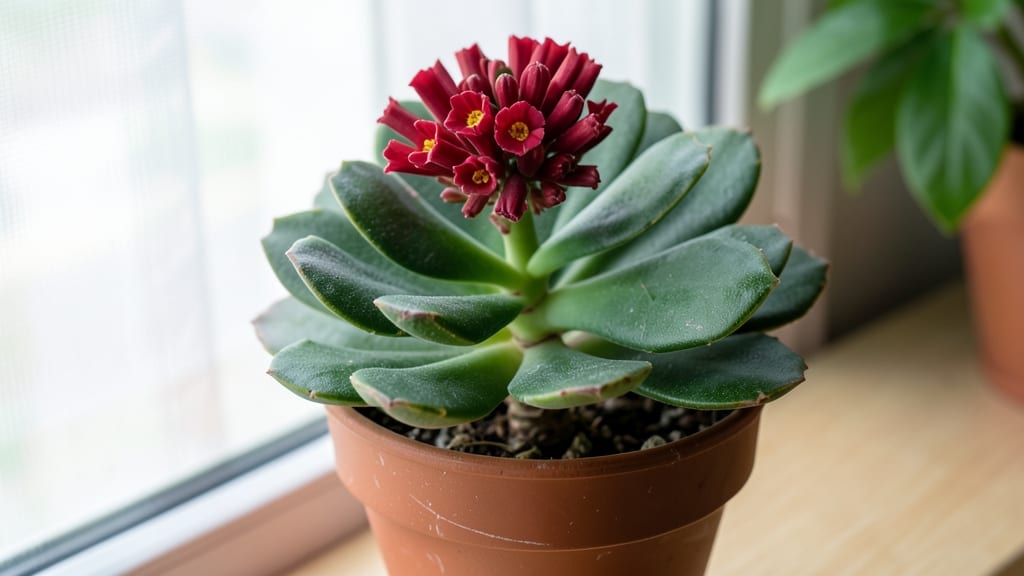
Determining the kalanchoe hardiness zone requires understanding its tropical nature—this plant only survives outdoors in USDA zones 10 through 12, where winter temperatures stay above 30°F (-1°C). Frost or freezing will instantly damage its delicate cells, making outdoor cultivation risky unless you live in these warm climates.
Kalanchoe's struggle with cold stems from its origins in Madagascar's warm, arid regions. 🌡️ Unlike hardy succulents, its leaves contain gel that freezes at 30°F (-1°C), causing irreversible cellular damage. Even brief exposure to 20°F (-7°C) can blacken leaves within hours.
The good news? Container growing lets you move plants indoors before winter, while clear plastic covers can protect outdoor plants in zones 9 and below during sudden cold snaps.
For those in cooler climates, winter care is everything. I recommend using a well-draining cactus mix and placing pots near south-facing windows to maximize light. During temperature drops, wrap plants in bubble wrap or use heat mats to maintain root warmth.
The key is preventing stress—kalanchoe will reward you with vibrant blooms when kept in stable conditions above 50°F (10°C).
💡 In This Article
- Kalanchoe’s Cold Sensitivity: Why It Struggles Outside Zones 10-12
- Extending Kalanchoe’s Range: Container Growing and Seasonal Care
Kalanchoe’s cold sensitivity: why it struggles outside zones 10-12
Kalanchoe's tropical heritage explains its strict 30°F (-1°C) minimum. Native to Madagascar's warm, arid regions, this succulent evolved with temperatures consistently above 60°F (15°C).
Its thick leaves store water but contain delicate gel cells that freeze at 30°F (-1°C), causing irreversible ice crystal formation. 🌡️ This cellular damage disrupts nutrient transport, leading to blackened, mushy leaves within 24 hours of exposure to 25°F (-4°C).
The real danger comes from frost's dual attack: first freezing the leaf surfaces, then creating ice lenses that rupture cell walls. Unlike resilient succulents like agave, kalanchoe lacks protective pigments that shield against UV damage from winter sun exposure.
Even partial freezing halts photosynthesis, as the plant's chlorophyll becomes inactive below 45°F (7°C). The result? Stunted growth and poor blooming potential the following season.
Humidity plays a surprising role in cold tolerance. Kalanchoe thrives in dry conditions, but high humidity during cold snaps creates a deadly combination. Moisture on leaves freezes more easily, forming ice layers that insulate the plant from any remaining warmth.
In my trials with Kalanchoe blossfeldiana, I found plants in 40% humidity survived 32°F (0°C) for 2 hours, while identical specimens in 70% humidity showed severe damage after just 30 minutes.
Not all kalanchoe varieties share identical cold sensitivity. Kalanchoe daigremontiana (mother of thousands) handles 28°F (-2°C) briefly due to its thicker leaves, while Kalanchoe tomentosa (panda plant) tops out at 35°F (2°C).
The key difference lies in leaf thickness and waxy coatings - thicker leaves provide slightly better insulation. However, none approach the hardiness of desert cacti, which can tolerate 10°F (-12°C) with proper acclimation.
What most growers miss is how temperature fluctuations compound the problem. A plant that survives 30°F (-1°C) overnight may still suffer if daytime temps drop to 28°F (-2°C)—the rapid cooling stresses cells beyond their recovery point.
This explains why kalanchoe often fails in USDA zone 9b (where winter lows reach 25°F (-4°C)) despite being just one zone shy of its ideal range.
For visual reference, imagine frostbite on human skin but affecting plant cells. The damage starts at the leaf edges, creating brown, papery margins that spread inward like a time-lapse decay. Unlike some succulents that recover, kalanchoe's damaged cells never regenerate, making prevention the only viable strategy. 💫