
Planting
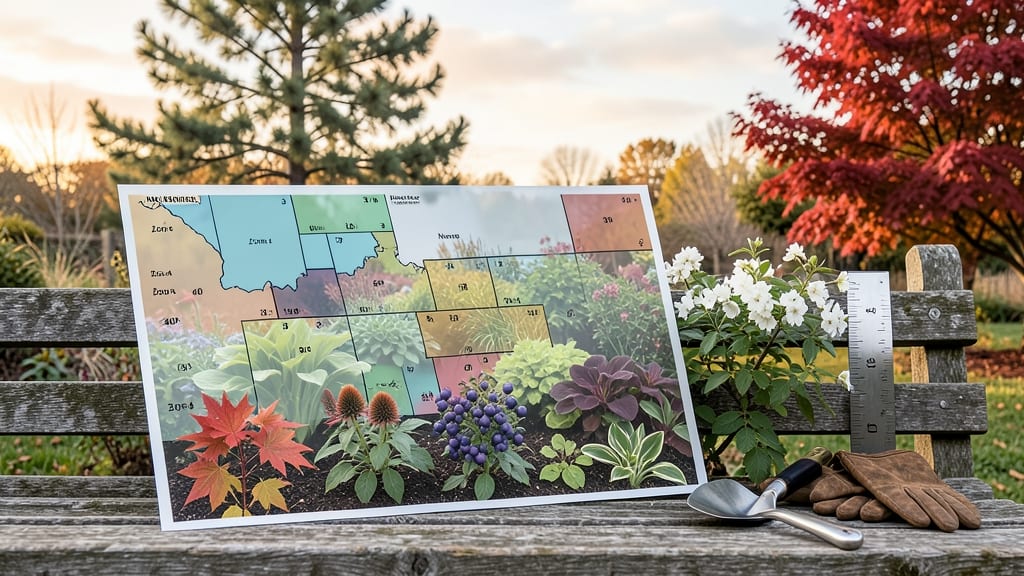
New England's hardiness zones range from Zone 3 (northern Maine) to Zone 7 (southern Connecticut), with frost-free periods that shape when you can plant everything from perennials to frost-sensitive annuals.
Understanding these zones helps you avoid planting too early in the spring or too late in the fall. For example, Zone 3 (like northern Vermont) typically has its last frost around June 10, while Zone 7 (like coastal Rhode Island) often sees its first frost around November 1.
This 6-week difference means your planting schedule should shift dramatically depending on where you live in New England. Coastal areas also tend to have milder winters, which can extend your growing season by 2-3 weeks compared to inland regions at the same latitude.
This variation is why I always recommend checking your local USDA Plant Hardiness Zone Map and adjusting planting dates based on your specific microclimate.
For instance, if you're in Zone 5 (like central New Hampshire), you might want to wait until May 15 to plant tomatoes, while someone in Zone 6 (like southern New Hampshire) could start as early as May 1.
The key is matching your planting timeline to your zone's average frost dates.
💡 In This Article
- Mapping New England’s USDA Hardiness Zones 3-7
- Zone-Specific Planting Calendar for New England Gardens
Mapping New England’s USDA hardiness zones 3-7
New England’s hardiness zones create a dramatic temperature gradient, with Zone 3 in northern Maine experiencing average minimum winter temperatures of -30°F to -25°F, while Zone 7 in southern Connecticut stays as mild as 0°F to 5°F.
This 25°F difference translates directly to what plants can survive through winter.
For example, a Zone 3 garden might thrive with hardy perennials like coneflowers (Zone 3-8) and Russian sage (Zone 4-9), while Zone 7 gardens can support frost-sensitive plants like gardenias (Zone 7-10) year-round.
The geographic distribution follows a clear pattern: coastal areas (like southern New Hampshire and Connecticut) tend to be 1-2 zones warmer than inland regions at the same latitude.
This is because large bodies of water moderate temperatures—coastal Zone 6 areas might see winters only slightly colder than inland Zone 5.
Elevation also plays a critical role; mountainous regions in Vermont and New Hampshire can drop into Zone 3 or 4 even when nearby valleys sit in Zone 5 or 6. For instance, Mount Washington (Zone 3) sits just 80 miles from Boston (Zone 6b).
Microclimates create even more variation within zones. A south-facing slope might warm up 5-10°F faster in spring than a north-facing yard, allowing early planting of frost-sensitive crops like basil or peppers.
Similarly, urban heat islands in cities like Portland, Maine, can push local temperatures into Zone 6 where surrounding rural areas remain in Zone 5. These microclimates explain why your neighbor’s garden might thrive with plants that struggle in yours—even within the same zone.
When selecting plants, always check their hardiness zone range and compare it to your specific location. The USDA map provides a baseline, but local nurseries often offer more precise recommendations based on regional growing conditions.
For example, while the map might show your area as Zone 5b, a local expert might suggest treating it like Zone 5a due to colder microclimates. This attention to detail prevents costly mistakes when investing in frost-tender shrubs or perennials.
Understanding these variations helps you make smarter planting choices. For instance, if you’re in Zone 4 (like central Vermont), you’d avoid planting tender annuals like impatiens (Zone 10-11) until after the last frost—typically around May 20.
Meanwhile, a Zone 6 gardener in coastal Rhode Island could start those same plants as early as April 15. The key is matching your planting schedule to your specific microclimate, not just the broad zone classification.
Pro tip: Use a minimum temperature gauge to track your local winter lows for 3-5 years. This creates a more accurate picture of your true hardiness zone than relying solely on the USDA map.
Many gardeners in marginal zones (like Zone 5/6 borders) adjust their plant selections based on these real-world observations rather than the official classification.