
Planting
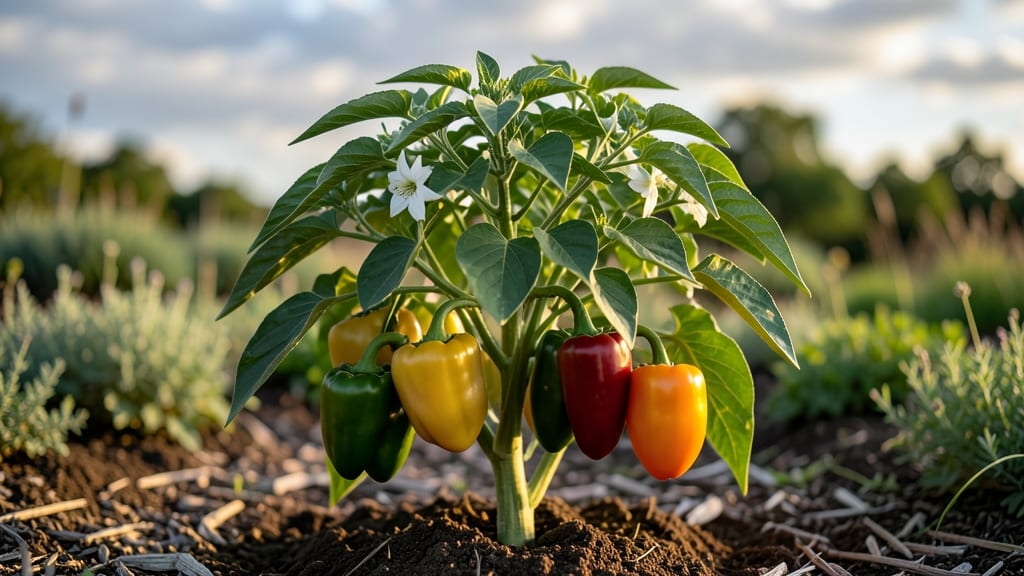
Growing a large peppermint plant starts with understanding its cold-hardy nature and aggressive growth habits. ✨ Unlike delicate herbs, peppermint thrives in cooler climates and spreads rapidly—if you give it the right conditions.
The key lies in balancing sunlight, soil moisture, and pruning to keep it productive without taking over your garden. This isn’t just about planting and forgetting; it’s about 6-8 weeks of intentional care to coax a bushy, fragrant plant that repels pests and doubles as a living mulch.
You’ll need well-draining soil, consistent moisture, and a strategy for containing its roots—whether in the ground or containers. The payoff? A plant that multiplies effortlessly and rewards you with bold, minty leaves all season long.
For container growers, this works too: just choose a 5-gallon pot with drainage and watch it fill the space in months. The secret to harvesting is regular trimming—cut back stems after flowering to encourage more leaf growth.
And yes, it will spread, but that’s why it’s so useful for borders or naturalizing in shady spots. Here’s where most gardeners go wrong: neglecting pruning or letting it dry out. Stick with these basics, and you’ll have a self-sustaining, cold-resistant peppermint plant that outperforms store-bought pots every time.
📚 In This Guide
- What you need
- Instructions
- Tips and common mistakes
- Wrapping up and next steps
What you need
- ● Peppermint seeds or cuttings: 10–20 seeds (or 3–5 healthy cuttings for faster growth). Choose organic, high-quality seeds for best results.
- ● Growing containers: 2–3 large pots (12–18 inches in diameter) with drainage holes or a raised garden bed (at least 12 inches deep).
- ● Well-draining soil: 5–10 gallons of a mix of 60% potting soil, 30% compost, and 10% perlite/sand for aeration.
- ● Organic fertilizer: A balanced, slow-release fertilizer (10-10-10 or 5-5-5) or compost tea for nutrient-rich soil.
- ● Watering can or hose: With a gentle spray nozzle for even moisture distribution.
- ● Gloves & pruning shears: To handle plants and trim as needed.
- ● Mulch (straw or wood chips): 2–3 inches to retain moisture and suppress weeds.
- ○ Grow lights (optional): If growing indoors in low-light areas.
- ● pH test kit: To ensure soil pH is between 6.0–7.0 (peppermint thrives in slightly acidic to neutral soil).
- ○ Support stakes (optional): For taller varieties if needed.
How to grow a cold-hardy peppermint plant in 6-8 weeks
Growing a robust peppermint plant from scratch is easier than you think—here's my foolproof method for vigorous, cold-resistant growth.
🌱 Step 1: Select and Prepare the Planting Site
Peppermint thrives in moist, well-draining soil with partial shade to protect its tender leaves from intense afternoon sun. Choose a location with 4-6 hours of morning sunlight and afternoon dappled light. I always test soil moisture first—stick your finger 2 inches deep; if it feels dry, this spot needs supplemental irrigation.
Clear the area of weeds and loosen the top 6 inches of soil with a garden fork. Peppermint spreads aggressively, so contain it by installing a 2-foot deep edging or planting in a large container (at least 12 inches deep). Amend the soil with 2 inches of compost and mix thoroughly—this ensures nutrient-rich growth without over-fertilizing.
🌿 Step 2: Plant and Establish the Starter
Start with a 4-inch peppermint plant from a nursery, not seeds—this skips the finicky germination phase. Dig a hole twice as wide as the root ball but only as deep as the container it came in. Remove the plant from its pot, gently tease the roots apart if they’re circling, and place it in the hole. Fill around the roots with soil, pressing lightly to eliminate air pockets.
Water deeply right after planting—1 gallon per plant—until water runs out the drainage holes (if in a container) or seeps 2 inches below the soil surface. Mulch with 2 inches of straw to retain moisture and suppress weeds. Peppermint’s first true leaves will appear in 2-3 weeks, signaling successful establishment. Watch for bright green, lance-shaped leaves—this confirms healthy growth.
☀️ Step 3: Maintain Moisture and Light for Cold Resistance
Peppermint’s cold-hardiness comes from consistent moisture—never let the soil dry out completely. Water every 2-3 days in hot weather, adjusting to every 5-7 days in cooler months. Test moisture by squeezing a handful of soil; it should feel damp but not soggy. Overwatering causes root rot, while underwatering stresses the plant and reduces cold tolerance.
Adjust sunlight gradually if your plant shows signs of stress: yellowing leaves mean too much sun, while leggy stems signal insufficient light. In late summer, reduce watering slightly to harden the plant for winter. By 6 weeks, your peppermint should have 3-4 sets of leaves and a sturdy, woody base—ready to withstand 20°F temperatures with proper care.
✂️ Step 4: Prune and Harvest for Longevity
Prune your peppermint twice a year: once in early spring to encourage new growth and again in late summer to prevent woodiness. Cut back one-third of the plant, focusing on leggy stems and overcrowded areas. This promotes bushier growth and stronger cold resistance. Always use clean, sharp shears to avoid disease transmission.
Harvest leaves as needed, but never take more than one-third of the plant at once. The best time to harvest is morning, after dew has dried but before the sun intensifies. Store fresh leaves in the freezer or dry them for later use. By 8 weeks, your peppermint should be a 2-foot-tall, cold-hardy powerhouse—ready to thrive through winter’s chill.
Tips & tricks for perfect cold-hardy peppermint growth
Here's what nobody tells you about growing peppermint that'll make all the difference in your plant's resilience.
Soil Prep Secret: Before planting, mix in 1 cup of perlite with your 2 inches of compost to improve drainage while retaining moisture. Peppermint roots need oxygen to thrive, and this prevents the dreaded root rot that can kill your plant before it even establishes. I learned this the hard way after losing two plants to soggy soil—don't make my mistake! The perlite also helps create those tiny air pockets that peppermint roots crave.
Transplanting Technique: When you're planting your 4-inch peppermint starter, soak the root ball in water for 10 minutes before removing it from the pot. This hydrates the roots and reduces transplant shock. After placing it in the hole, water again immediately to eliminate any air gaps around the roots. The key is keeping those roots moist during this critical transition period—your plant will thank you with faster, healthier growth.
Watering Wisdom: The 2-3 day watering schedule works perfectly when your finger test shows damp soil, but here's the trick: water deeply each time until you see moisture 2 inches below the surface. This encourages deep root growth rather than shallow surface roots. In containers, let water run out the drainage holes completely—this prevents salt buildup that can damage roots over time. I've found that morning watering prevents fungal issues from evening moisture.
Sunlight Strategy: That 4-6 hours of morning sun is non-negotiable, but here's how to handle those tricky afternoon hours: if you notice leaves curling or yellowing, it's getting too much direct sun. Move your plant to a spot with dappled shade or use a sheer curtain to filter the light. The goal is to protect those tender leaves while still giving your plant enough light to photosynthesize properly. Think of it as giving your peppermint a gentle sunburn prevention treatment.
Pro Tips for Large Peppermint Plant
- Here's what nobody tells you about growing peppermint that'll make all the difference in your plant's resilience.
- Soil Prep Secret: Before planting, mix in 1 cup of perlite with your 2 inches of compost to improve drainage while retaining moisture.
- Transplanting Technique: When you're planting your 4-inch peppermint starter, soak the root ball in water for 10 minutes before removing it from the pot.
Frequently asked questions
How long does it take for peppermint to grow large enough for harvesting?
A healthy peppermint plant can reach harvestable size (about 12–24 inches tall) in 6–8 weeks with proper care. However, for a truly large peppermint plant (3+ feet), give it 3–4 months—especially if you’re pruning regularly to encourage bushiness. Patience pays off with bigger, more flavorful leaves!
Can peppermint survive winter in cold climates?
Yes! Peppermint is perennial and cold-hardy (USDA zones 5–9), but it thrives best in consistently moist, well-drained soil. In freezing temps (<20°F), mulch heavily with straw or leaves to protect roots. If your winters are harsh (<0°F), consider overwintering pots indoors or in a greenhouse.
Why is my peppermint plant turning yellow or wilting?
Yellowing leaves often signal overwatering or poor drainage. Peppermint loves moisture but hates soggy roots—ensure pots have drainage holes and soil stays evenly damp (not waterlogged). Wilting? Check for underwatering, heat stress, or pests (like spider mites). Trim affected stems and adjust care immediately.
Is peppermint invasive? How do I control its spread?
Peppermint spreads aggressively via rhizomes, so plant it in containers or buried pots to contain roots. If growing in-ground, trim back runners regularly and avoid letting it flower (seed spread). For a large peppermint plant without chaos, prune stems back by ⅓ every 4–6 weeks.
Can I grow peppermint indoors for a large harvest?
Yes, but light is key! Place your container near a south-facing window or use grow lights (12–16 hrs/day). A large peppermint plant indoors needs deep pots (12+ inches) and frequent pruning to encourage bushiness. Rotate the pot weekly for even growth—and expect slower growth than outdoors.
Pro Tip: Want extra-large leaves? Pinch back the tips of new growth when stems hit 6 inches. This redirects energy to thicker, more robust foliage—perfect for tea, cooking, or garnishes!
Wrapping up and next steps
Growing a large peppermint plant is a rewarding journey that combines patience, care, and a touch of creativity! With the right soil, sunlight, and a little elbow grease, you’ll be harvesting fresh mint in just 6-8 weeks—perfect for teas, cocktails, or culinary adventures. 🌱✨
Now that you’re armed with tips and answers, roll up your sleeves and start planting!
Whether you’re a green thumb or a beginner, this cold-hardy herb is your ticket to a thriving garden. Next up? Share your progress with fellow gardeners or experiment with other mint varieties—your garden (and taste buds) will thank you!