
Planting
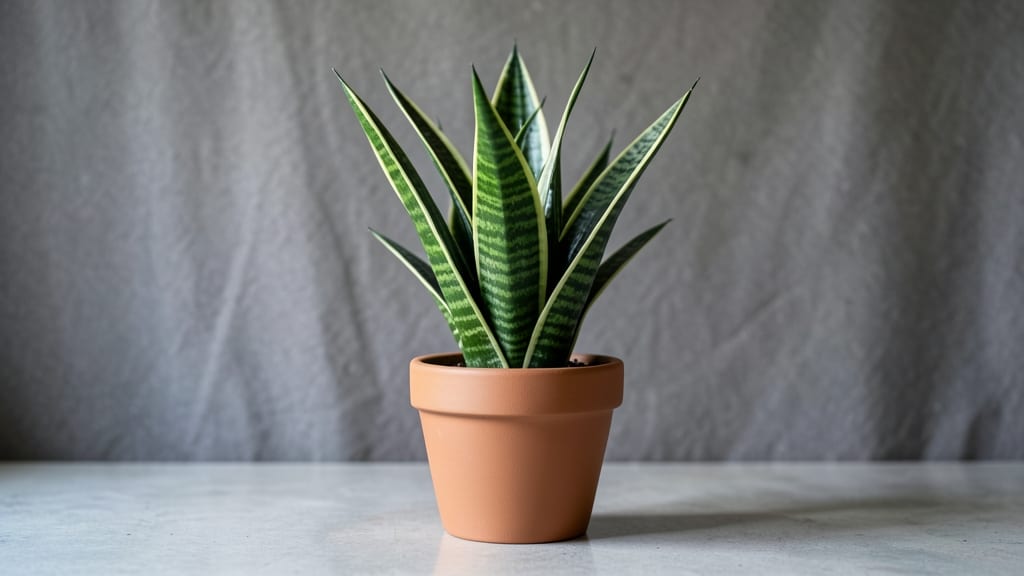
Growing long flat leaf plants transforms any space into lush, architectural beauty with almost no effort. 🌿 These plants—like snake plants, hostas, or aloe—thrive on neglect while adding striking texture to your home or garden.
The secret lies in understanding their simple needs: light, water, and soil that mimic their natural habitats.
Most long flat leaf plants prefer bright, indirect light but can adapt to lower light conditions—just watch for yellowing leaves, which signal too much sun. Water only when the top inch of soil feels dry; overwatering is their biggest enemy.
Well-draining soil, like a mix of potting soil and perlite, keeps roots healthy and prevents rot.
With the right care, these plants reward you with vibrant, glossy foliage that stays elegant year-round. Snake plants, for example, purify the air while hostas create lush ground cover. Aloe adds a touch of desert charm, all with minimal maintenance.
Common challenges like brown tips or drooping leaves usually stem from overwatering or poor drainage. Adjust your routine, and you’ll see them bounce back stronger. Perfect for beginners, these plants prove that stunning greenery doesn’t require a green thumb—just a little attention.
📚 In This Guide
- What you need
- Instructions
- Tips and common mistakes
- Wrapping up and next steps
What you need
- ● Long flat leaf plant: 1 healthy specimen (choose from Dracaena, Snake Plant, or Bird of Paradise for best results).
- ● Well-draining potting mix: 1 bag (1–2 gallons) of cactus/succulent mix or a blend of 60% potting soil + 40% perlite/pumice.
- ● Pot with drainage holes: 1 container (slightly larger than the plant’s root ball; 6–12 inches in diameter).
- ● Watering can or spray bottle: 1 (for gentle hydration).
- ● Pruning shears: 1 pair (sterilized with rubbing alcohol).
- ● Gloves: 1 pair (to protect hands from sap or soil).
- ○ Fertilizer: 1 bottle of balanced liquid fertilizer (10-10-10) or slow-release granules (optional but recommended for faster growth).
- ● Peat moss or coconut coir: Small amount (for improving soil aeration).
- ○ Decorative stones or mulch: (Optional, for a polished look).
- ● Grow lights or sunny windowsill: (If natural light is limited).
How to grow and maintain a stunning long flat leaf plant
This elegant, low-maintenance plant thrives with just a few simple steps—perfect for adding drama to any space.
🌱 Step 1: Choose the Right Plant and Pot
Long flat leaf plants (like Dracaena marginata or snake plants) need a pot with drainage—no exceptions. I always pick a container that’s 2-3 inches wider than the plant’s root ball to give roots room to spread without feeling cramped. Terra cotta pots work best because they breathe and help prevent root rot.
Fill the bottom with a layer of pebbles or perlite (about 1 inch deep) to create airflow at the base. This keeps roots happy and prevents soggy soil, which is the #1 killer of these plants. If your pot lacks drainage holes, drill a few—trust me, your plant will thank you.
☀️ Step 2: Use the Right Soil and Light Setup
These plants love well-draining, slightly sandy soil. Mix 2 parts potting mix with 1 part perlite or coarse sand to create the perfect texture. Pack the soil gently around the roots, leaving about ½ inch of space between the soil and the pot’s rim for watering.
Place your plant in bright, indirect light. A north or east-facing window is ideal—direct sun can scorch those gorgeous leaves. If you notice the leaves turning yellow or brown, it’s a sign the light is too harsh. Rotate the pot a quarter turn weekly so the plant grows evenly instead of leaning toward the light.
💧 Step 3: Water Smartly—Less Is More
Water only when the top 2 inches of soil feel completely dry. Stick your finger in the soil—if it’s damp, wait another day. Overwatering is the fastest way to kill a long flat leaf plant. When you do water, pour slowly until it drains from the bottom, then empty the saucer to avoid root rot.
These plants are drought-tolerant, so erring on the dry side is better than soggy soil. In winter, cut back to watering every 3-4 weeks. You’ll know you’re nailing it when the leaves stay plump and vibrant—no wilting or yellowing.
✂️ Step 4: Prune and Propagate for Fullness
Trim any yellow or brown leaves at the base with clean scissors. This keeps the plant looking sharp and encourages new growth. If your plant gets leggy, cut back the tallest stems by ⅓ of their length just above a leaf node. New shoots will sprout from there, giving you a bushier, fuller look.
To propagate, snip a healthy stem just below a node and place it in water. Keep it in bright, indirect light, and change the water every 5-7 days. Roots should appear in 4-6 weeks. Once rooted, plant in soil and treat like the parent plant.
🪴 Step 5: Keep It Thriving Year-Round
Dust the leaves every few weeks with a damp cloth—these plants love staying clean. In spring and summer, feed with a balanced liquid fertilizer (like 10-10-10) every 4-6 weeks. Skip fertilizer in fall and winter when growth slows.
Watch for pests like spider mites or mealybugs. Wipe leaves with a mix of 1 part rubbing alcohol and 1 part water to keep them pest-free. With this care, your long flat leaf plant will stay lush and elegant for years—minimal fuss, maximum impact.
Tips & tricks for perfect long flat leaf plant care
Here's how to turn your plant into a showstopper with minimal effort—these tricks make all the difference.
Pot Selection: Terra cotta pots are ideal because they wick away moisture, but if you prefer plastic, just drill drainage holes yourself. I've seen people skip this step and end up with root rot—the #1 silent killer of these plants. Also, avoid decorative pots without drainage unless you're committed to the "water from the top only" method, which requires more vigilance.
Soil Mix Matters: The 2:1 ratio of potting mix to perlite or sand is crucial for aeration. If you're using a pre-mixed cactus or succulent soil, you're already on the right track—these blends mimic the sandy, well-draining conditions these plants love. Pro tip: Add a handful of orchid bark to your mix for extra drainage and texture.
Light Positioning: That quarter-turn weekly rotation in Step 2 isn't just about looks—it prevents your plant from growing lopsided toward the light. I've seen plants develop permanent leans after just a few weeks in one spot. If you notice new growth leaning dramatically, it's time to rotate. For apartment dwellers, a south-facing window with sheer curtains works perfectly.
Pruning Payoff: When cutting back leggy stems by ⅓, always make your cut just above a leaf node. This is where new growth will emerge, giving you bushier plants. I cut my first one too low and ended up with a bare stem—don't make that mistake! Use clean scissors or pruning shears to avoid damaging the plant's tissue.
Pro Tips for Long Flat Leaf Plant
- Here's how to turn your plant into a showstopper with minimal effort—these tricks make all the difference.
- Pot Selection: Terra cotta pots are ideal because they wick away moisture, but if you prefer plastic, just drill drainage holes yourself.
- Soil Mix Matters: The 2:1 ratio of potting mix to perlite or sand is crucial for aeration.
Frequently asked questions
Got questions about growing long flat leaf plants? You’re not alone!
Whether you're a beginner or just want to refine your green thumb, here are some of the most common queries—and their straightforward answers.
What are the best long flat leaf plants for beginners?
Start with Dracaena marginata (Dragon Tree) or Sansevieria trifasciata (Snake Plant)—both are hardy, drought-tolerant, and thrive in low light. For a pop of color, try Aglaonema (Chinese Evergreen), which boasts striking variegated leaves and forgives occasional neglect.
How often should I water my long flat leaf plant?
Watering depends on your plant and climate, but a general rule is every 2–3 weeks once established. Stick your finger 1–2 inches into the soil—if it’s dry, it’s time to hydrate. Overwatering is the #1 killer, so always use a pot with drainage holes!
Why are the leaves turning yellow or brown?
Yellowing leaves often signal overwatering, while brown tips usually mean low humidity or fluoride buildup from tap water. Try these fixes:
- Let the top inch of soil dry out between waterings.
- Mist leaves or place a pebble tray under the pot.
- Use filtered or distilled water if your tap water is hard.
Can I grow long flat leaf plants indoors year-round?
Most thrive indoors with bright, indirect light (a north- or east-facing window is ideal). If your space is dim, opt for low-light lovers like Zamioculcas zamiifolia (ZZ Plant). Just avoid drafts, and you’re golden—these plants are built for indoor living!
What’s a low-maintenance alternative if I travel often?
For the ultimate "set it and forget it" vibe, try Pothos (Devil’s Ivy) or Cast Iron Plant (Aspidistra elatior). Both survive weeks without water and bounce back from neglect. Pro tip: Underwater them rather than overwater!
Wrapping up and next steps
Growing a long flat leaf plant is a rewarding way to add year-round elegance to your space with minimal effort! Whether you’re drawn to the bold foliage of Alocasia or the delicate charm of Monstera, these plants thrive with just a little care and the right conditions.
Remember, patience and consistency are key—soon, you’ll be basking in lush, vibrant greenery that feels like a natural masterpiece. 🌿
Ready to take the next step? Start small—pick one plant, gather your supplies, and dive in! Before you know it, your home will be a haven for these stunning, low-maintenance beauties. Happy planting! 🌱