
Planting
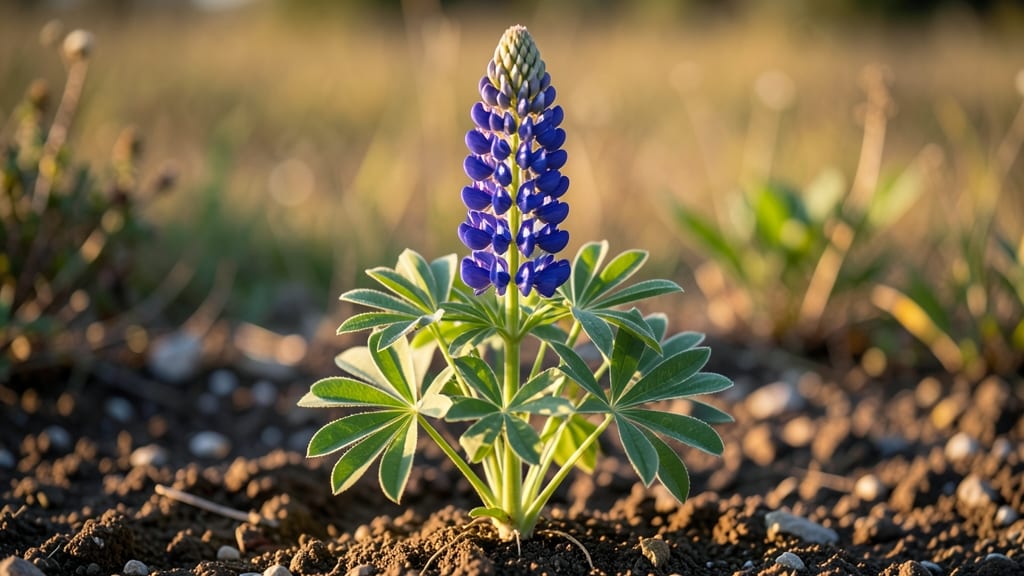
The size of lupine plants can range from 1 foot to towering 6 feet, depending on the variety and growing conditions—so choosing the right type for your space is key.
If you’ve ever admired lupines in bloom but wondered whether they’ll tower over your garden or stay neatly contained, you’re not alone. These striking 🌸 perennials can grow surprisingly tall, often reaching heights that surprise new gardeners.
From dwarf varieties that stay under 2 feet to standard types that climb toward 6 feet, lupines offer flexibility for any garden design—whether you’re creating a pollinator-friendly border or a dramatic backdrop.
Below, I’ll break down how height varies by species, the best spacing for healthy growth, and tips to control their size so they fit perfectly in your landscape.

How tall do lupine plants grow? Species-specific height guide
Lupines are famous for their dramatic spikes of vibrant blooms, but their height variations can leave gardeners puzzled. Some varieties stay compact enough for container gardens, while others shoot up like tall sentinels in wildflower meadows.
Understanding these differences helps you choose the perfect lupine for your space—whether you want a low border plant or a backyard centerpiece.
The height of lupines depends on the species and growing conditions. Most lupines reach maturity in 1-2 years, with their full height revealed by their second spring.
In ideal conditions—full sun, well-draining soil, and moderate water—they can grow 3-6 feet tall, but regional climate and care practices can shrink or stretch their stature significantly.
For example, annual lupines like Lupinus nanus (dwarf lupine) rarely exceed 12-18 inches, making them ideal for rock gardens or window boxes. Meanwhile, perennial varieties like Lupinus polyphyllus (Russell lupine) can soar to 5-6 feet, dominating perennial borders or pollinator gardens.
Let’s break down the specifics so you can plan your garden with confidence.
| Variety | Mature Height | Spread | Growth Habit | Best For |
|---|---|---|---|---|
| Dwarf Lupine (Lupinus nanus) | 12-18 inches | 12-18 inches | Clumping | Rock gardens, containers |
| Silver Lupine (Lupinus albifrons) | 2-3 feet | 18-24 inches | Upright | Pollinator gardens, borders |
| Russell Lupine (Lupinus polyphyllus) | 4-6 feet | 2-3 feet | Tall, spreading | Backyard focal points, meadows |
| Yellow Lupine (Lupinus luteus) | 3-5 feet | 2 feet | Upright, bushy | Wildflower mixes, cottage gardens |
| Texas Bluebonnet (Lupinus texensis) | 1-2 feet | 12-18 inches | Low-growing, spreading | Prairie gardens, ground cover |
Regional climate plays a huge role in lupine height. In cooler USDA zones (3-5), lupines often grow shorter due to shorter growing seasons, while warmer zones (7-9) can produce taller, more vigorous plants.
For instance, Russell lupine might only reach 3 feet in Zone 4 but can hit 6 feet in Zone 8 with consistent moisture.
Soil drainage is another critical factor. Lupines hate soggy roots and will stunt their growth if planted in clay-heavy or poorly drained soil. Amending soil with compost or sand ensures healthy root development, allowing lupines to reach their full genetic potential.
In my own garden, I’ve seen Silver lupine grow 20% taller in raised beds with well-draining mix compared to in-ground plantings.
If you’re growing lupines in containers, expect slightly shorter heights due to root restriction. A 5-gallon pot might limit a Russell lupine to <
Optimal lupine plant spacing for healthy growth and blooms
Proper lupine plant spacing isn’t just about aesthetics—it directly impacts your plants’ health, airflow, and even their flowering potential. Crowded lupines compete for nutrients, leading to leggy stems and fewer blooms.
Meanwhile, too much space can waste garden real estate. Finding the sweet spot ensures vibrant blooms and strong stems that don’t flop in summer breezes.
Lupines thrive when given room to breathe, but their spacing needs vary by species and growing conditions. For example, tall perennial lupines like Russell lupine (Lupinus polyphyllus) need more elbow room than dwarf annual varieties.
Even soil drainage and sunlight exposure play a role—poorly drained soil can stunt growth, while full sun encourages taller, sturdier plants.
- 1. Dwarf varieties (1–2 ft tall): Space 6–12 inches apart in borders or containers. Ideal for rock gardens or pollinator-friendly edges.
- 2. Semi-dwarf types (2–3 ft tall): Allow 12–18 inches between plants. Perfect for mixed perennial beds or wildflower meadows.
- 3. Standard tall lupines (4–6 ft tall): Space 2–3 feet apart to prevent overcrowding and ensure strong stems. Use in back borders or cut flower gardens.
- 4. Container growing: Plant 1–2 lupines per 12-inch pot (dwarf varieties only). Ensure pots have drainage holes to prevent root rot.
- 5. Soil & sunlight adjustments: In partial shade, reduce spacing by 20–30%. In poor soil, space 10% wider to compensate for slower growth.
When planting lupines in full sun, the wider spacing (2–3 feet for tall varieties) helps prevent fungal diseases by improving airflow. In contrast, shadier conditions allow you to space plants closer together since they grow more compactly.
Always amend soil with compost before planting—lupines prefer well-draining, slightly acidic soil (pH 6.0–7.0) to thrive.
For container gardens, choose dwarf lupine varieties like Lupinus nanus or Lupinus albifrons. These stay under 18 inches tall and fit neatly in 12-inch pots. Use a lightweight potting mix with perlite to prevent waterlogging, which can stunt growth.
In containers, lupines may bloom slightly later but produce just as many flowers if given adequate sunlight.
One common mistake gardeners make is underestimating lupine spread. While lupines have a moderate root system, their foliage can spread 1–2 feet wider than their height. For example, a 4-foot-tall lupine might spread 3 feet across, so account for this in your garden layout.
If you’re planting lupines near paths or patios, leave extra space to avoid trampling their delicate stems.
Finally, remember that pruning and deadheading can influence spacing needs over time. Regularly removing spent blooms encourages more flowers and prevents seed pods from self-seeding aggressively, which can lead to overcrowding.
If you notice lupines leaning or flopping, it’s a sign they need staking or wider spacing for better support.