
Planting
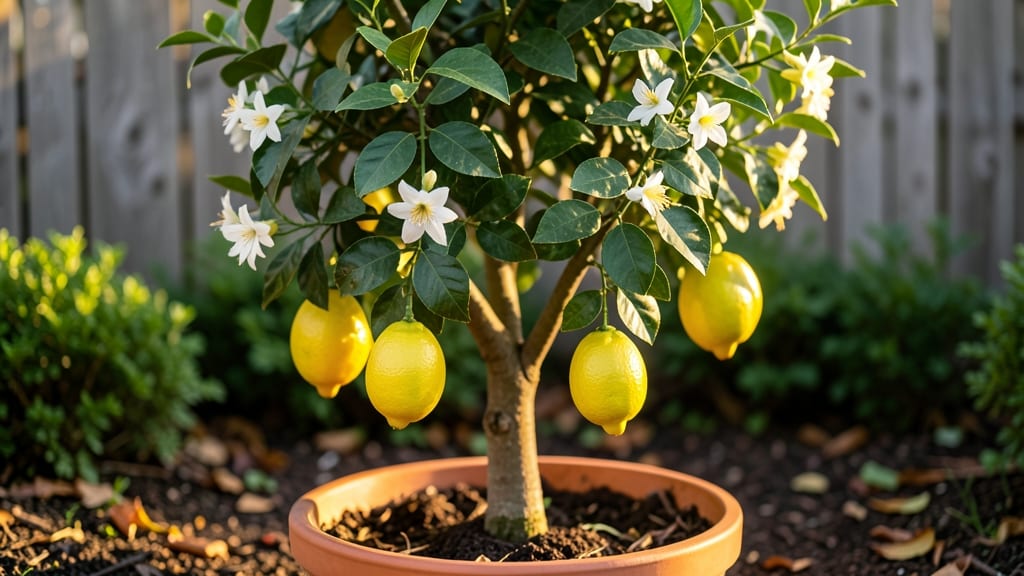
Growing Mediterranean citrus plants means waking up to fragrant blossoms and harvests that taste like sunshine. 🌞 These sun-loving trees thrive in Zones 8-11, but they don’t need perfect conditions—just good drainage, occasional water, and protection from winter’s worst.
My Meyer lemon tree has given me fruit every year since I planted it, even through a few close calls with frost. The secret lies in mimicking their natural Mediterranean habitat: well-draining soil, full sun, and water only when the top inch dries out.
Overwatering is the fastest way to kill these plants, so let the soil guide you. Prune lightly in late winter to shape the tree and remove dead growth, but avoid heavy cuts—citrus responds poorly to aggressive pruning.
By summer, you’ll see glossy new leaves and the first hints of blossoms, leading to fruit by fall. The scent alone makes it worth the effort, and the harvest rewards patience with juicy, fragrant citrus. Even in drought-prone areas, these plants adapt beautifully with the right care.
For beginners, start with dwarf varieties like Calamondin or Improved Meyer lemon—they’re hardier and easier to manage. Just remember: frost is the real enemy, so protect young trees in winter or grow them in containers for extra mobility.
📚 In This Guide
- What you need
- Instructions
- Tips and common mistakes
- Wrapping up and next steps
What you need
- ● Citrus plant(s): Choose dwarf varieties (e.g., Meyer lemon, Calamondin orange, or Improved Meyer lemon) for easier care. Buy 1-2 plants from a nursery or online retailer.
- ● Well-draining potting mix: 5-10 gallons, mixed with perlite or pumice (1 part perlite to 3 parts soil). Avoid garden soil—it compacts and causes root rot!
- ● Container(s): At least 15-20 gallons per plant (larger is better!). Use pots with drainage holes and a saucer underneath.
- ● Fertilizer: Citrus-specific fertilizer (e.g., Espoma Citrus-Tone) or a balanced 6-6-6 NPK blend. Start with 1 lb per plant.
- ● Mulch: Organic mulch (e.g., wood chips or straw) to retain moisture and regulate soil temperature.
- ● Gloves & trowel: For planting and soil prep.
- ● Watering can or hose with a gentle spray nozzle: Citrus hates soggy roots—water deeply but infrequently.
- ● pH testing kit: Ideal soil pH for citrus: 6.0–7.0. Adjust with sulfur (to lower pH) or lime (to raise it) if needed.
- ● Sunlight access: A spot with 6+ hours of direct sun daily (south or west-facing is ideal).
- ○ Optional (but helpful!): Drip irrigation system for automated watering.
- ● Citrus-specific pest control (e.g., neem oil for aphids or scale).
- ● Winter protection (e.g., frost cloth or a greenhouse) for Zones 8-9.
Step-by-step instructions for growing Mediterranean citrus plants
Here’s how to nurture these sun-loving citrus varieties into thriving, fragrant additions to your landscape.
🪴 Step 1: Select the Right Variety and Container
For Mediterranean climates, lemon, lime, or orange varieties like Meyer lemon or Calamondin orange thrive best. Choose a container at least 18-24 inches wide with drainage holes—citrus roots need room to spread and excess water to escape. I use unglazed terra cotta pots because they wick away moisture and mimic the Mediterranean’s dry, rocky soil.
If planting in the ground, pick a south-facing spot with well-draining soil—citrus hates soggy roots. Amend heavy soil with sand or grit to improve drainage. The key is replicating the dry, nutrient-scarce conditions of their native Mediterranean hillsides.
☀️ Step 2: Provide Full Sun and Shelter from Harsh Elements
Mediterranean citrus craves full sun—6+ hours daily—but protects it from intense afternoon heat in summer. I place my pots near a patio or shaded pergola where they get morning sun and afternoon shade. In Zones 9-11, afternoon shade prevents leaf scorch, while Zone 8 growers may need to bring pots indoors during winter freezes.
Watch for yellowing leaves—this often signals either too much heat stress or underwatering. If leaves curl or drop, move the plant to a slightly shadier spot or increase watering frequency during heatwaves. A light, airy pruning after flowering also encourages bushier growth and better air circulation.
💧 Step 3: Water Deeply but Infrequently
Citrus plants drought-tolerant once established, but young plants need consistent moisture. Water deeply every 7-10 days until water runs out the drainage holes—this encourages deep root growth. I use a drip irrigation system or water at the base of the plant to avoid wetting leaves, which can lead to fungal issues.
Let the top 2-3 inches of soil dry out between waterings—citrus roots rot easily in soggy conditions. In winter, reduce watering to every 2-3 weeks, mimicking the Mediterranean’s dry season. Overwatering is the #1 killer of citrus plants, so when in doubt, wait another day before watering.
✂️ Step 4: Fertilize and Prune for Health and Fruit
Feed with a balanced citrus fertilizer (like 6-6-6) every 4-6 weeks during growing season (spring-fall). I mix ½ teaspoon of Epsom salt into the soil monthly to prevent magnesium deficiency, which causes yellowing between leaf veins. Avoid high-nitrogen fertilizers—they promote leafy growth at the expense of fruit.
Prune in late winter or early spring before new growth starts. Remove dead, crossing, or inward-growing branches to improve airflow. Thin out overly dense foliage to let sunlight reach the center of the plant—this prevents shady, fruitless branches. A light trim after harvest also encourages next year’s blooms.
🌱 Step 5: Protect from Pests and Winter Chill
Mediterranean citrus is pest-resistant, but aphids or scale can still appear. Spray with neem oil or introduce ladybugs if you spot clusters of sticky residue. I also inspect leaves weekly—early intervention prevents infestations from spreading.
In Zones 8-9, protect plants from temperatures below 20°F. Move pots to a garage or sheltered patio or wrap the container in burlap. For Zone 10-11, a light frost cloth over the plant suffices. The goal is to simulate the Mediterranean’s mild winters—just enough chill to signal dormancy without damage.
Tips & tricks for thriving Mediterranean citrus plants
These simple yet game-changing strategies will help you coax the most vibrant, productive citrus plants from your Mediterranean climate.
Container Selection: Unglazed terra cotta pots aren't just my preference—they're essential for Mediterranean citrus. The porous material mimics the dry, rocky soil of their native habitat, preventing waterlogging while allowing roots to breathe. For in-ground planting, create raised beds with a 50-50 mix of native soil and coarse sand to replicate that same well-draining environment. I've seen plants in plastic pots struggle with root rot because they can't evaporate excess moisture like terra cotta can.
Sunlight Strategy: The 6+ hours of daily sun requirement is non-negotiable, but here's what I've learned about implementation: Position your plants to catch morning sun first—this gentle warmth helps prevent leaf scorch. In Zone 10-11, I use sheer white shade cloth (30-40%) during the hottest afternoon hours (12-3 PM) to diffuse intensity without blocking light completely. Think of it like wearing sunscreen for your plants during peak hours. Watch for leaves that look pale or papery—this is your first warning sign of too much direct heat.
Watering Wisdom: When I first started, I made the mistake of watering at the same frequency year-round. The key is matching your watering schedule to the plant's natural Mediterranean cycle: deep waterings every 7-10 days in summer, then tapering to every 2-3 weeks in winter. Here's my foolproof test: Stick your finger 2-3 inches into the soil. If it feels dry, water thoroughly until it runs out the drainage holes. If it's still damp, wait another day. This mimics the irregular rains of the Mediterranean perfectly.
Fertilizer Timing: That 4-6 week feeding schedule is perfect, but here's what nobody tells you about the timing: Apply your balanced citrus fertilizer right after a deep watering session. This helps prevent root burn from concentrated nutrients. I also split my monthly Epsom salt application—half in spring when new growth starts, and half in summer when fruit develops. The magnesium boost prevents that unsightly yellowing between leaf veins that can signal deficiency, especially in sandy soils where nutrients leach away quickly.
Pro Tips for Mediterranean Citrus Plant
- These simple yet game-changing strategies will help you coax the most vibrant, productive citrus plants from your Mediterranean climate.
- Container Selection: Unglazed terra cotta pots aren't just my preference—they're essential for Mediterranean citrus.
- Sunlight Strategy: The 6+ hours of daily sun requirement is non-negotiable, but here's what I've learned about implementation: Position your plants to catch morning sun first—this gentle warmth helps prevent leaf scorch.
Frequently asked questions
Got questions about growing Mediterranean citrus plants? You’re not alone! Here are answers to the most common queries—from planting to troubleshooting—so you can keep your trees thriving in Zones 8-11.
What’s the best time of year to plant Mediterranean citrus trees?
Plant in early spring or late fall when temperatures are mild (60–80°F). Avoid extreme heat or frost—citrus roots are sensitive! If transplanting, water deeply for the first 2–3 weeks to help them establish. Pro tip: Container-grown trees can be planted year-round in frost-free zones.
How much sunlight do Mediterranean citrus plants really need?
These sun-seekers thrive with 6–8+ hours of direct sunlight daily. In hotter zones (like 10–11), provide afternoon shade to prevent leaf scorch. If growing in containers, rotate them weekly for even sun exposure. Watch for: Yellowing leaves = too much shade; crispy edges = too much sun.
How often should I water Mediterranean citrus trees?
Water deeply 1–2 times per week (more in summer, less in winter). Let the top 2–3 inches of soil dry out between waterings—overwatering causes root rot! Mulch around the base to retain moisture. Signs of thirst: Drooping leaves or dry, peeling bark.
What pests should I watch for with Mediterranean citrus?
Common culprits include aphids, scale insects, and citrus leaf miners. Spray with neem oil or insecticidal soap for mild infestations. For severe cases, consult a local extension service. Preventative tip: Prune regularly to improve airflow and reduce hiding spots.
Can Mediterranean citrus survive winter in Zone 8?
Yes, but with protection! Young trees or tender varieties (like Citrus × aurantium) need winter wraps or mulch when temps drop below 25°F. Mature trees in Zone 9+ usually handle light frosts. Quick fix: Cover with frost cloth if a freeze is forecasted.
Are there low-maintenance alternatives to traditional citrus?
Try dwarf varieties like ‘Calamondin’ or ‘Improved Meyer Lemon’ for containers, or cold-hardy Poncirus trifoliata (trifoliate orange) for Zones 7–9. All require similar care but offer easier harvesting and smaller footprints!
Wrapping up and next steps
Growing a Mediterranean citrus plant is a rewarding journey that brings vibrant color, fragrant blooms, and delicious fruit to your garden—even in zones 8-11. With the right sunlight, soil, and care, these sun-seekers thrive and become a stunning focal point.
Whether you're a seasoned gardener or just starting, the key is patience and consistency.
Ready to plant your own citrus paradise? 🌱 Start by selecting your favorite variety—like lemon, orange, or grapefruit—and gather your supplies. Then, follow the steps above to give your plant the best possible start. Happy planting, and enjoy the sweet rewards of your hard work!