
Planting
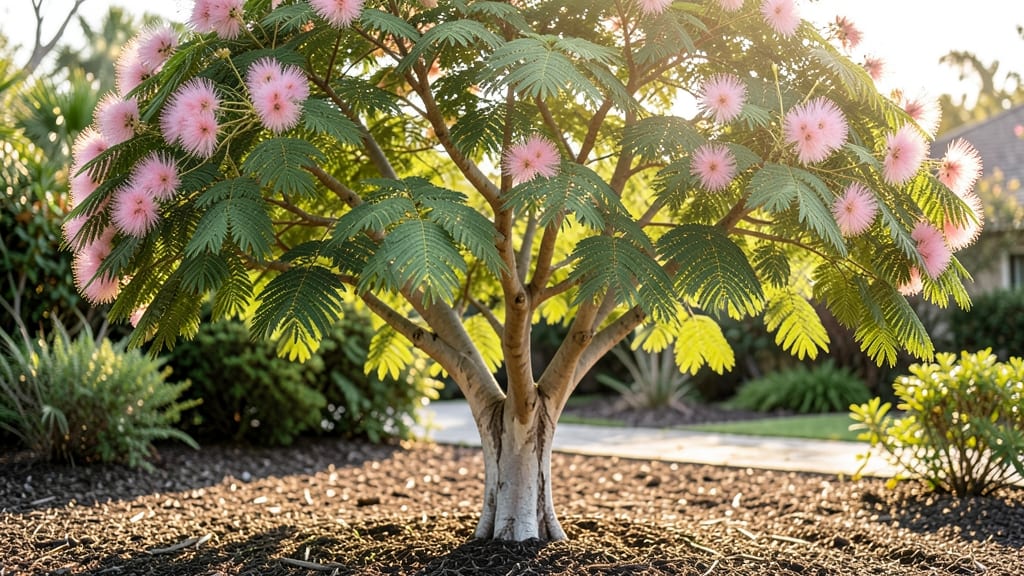
The mimosa plant in Florida thrives like nowhere else thanks to its year-round sunshine—those fluffy pink blooms are unbeatable. 🌿 I’ve grown them here for years, and the key is matching their love of heat and humidity with the right soil and pruning.
They’re not just pretty; they’re tough, fast-growing trees that handle our summer storms with ease.
The real secret is well-draining soil—sandy loam works best—and full sun exposure (they’ll sulk in shade). Plant in late winter or early spring when temps are mild, and give them space to spread (they can grow 15-30 feet tall).
Water deeply after planting, then let nature take over—they’re drought-tolerant once established, but Florida’s heat means consistent moisture for the first year.
Pruning in late winter keeps them shaped and blooming strong, and watch for scale insects (their biggest Florida foe). With the right care, you’ll have a tree that bursts into bloom three times a year, turning your yard into a pink cloud.
The only trade-off? Those delicate blooms drop everywhere—bring a broom.
Perfect for coastal areas, urban streets, or large landscapes—just avoid planting near sidewalks (those seed pods pop like popcorn). Native alternatives like Caesalpinia pulcherrima (Mexican bird of paradise) offer similar drama with fewer pests. Ready to grow yours?
📚 In This Guide
- What you need
- Instructions
- Tips and common mistakes
- Wrapping up and next steps
What you need
- ● Mimosa plants (Albizia julibrissin): 1–3 nursery-grown saplings (3–5 ft tall, potted) or
- ● Seeds (collect from pods or buy online—soak overnight for faster germination).
- ● Well-draining soil: Mix 50% native Florida soil with 50% compost (or potting mix for containers).
- ● Fertilizer: Slow-release balanced fertilizer (10-10-10) (1 lb per plant).
- ○ Optional: Phosphorus-rich fertilizer (e.g., bone meal) for flowering boosts.
- ● Mulch: Pine bark or wood chips (2–3 inches thick) to retain moisture.
- ● Gardening tools: Trowel or shovel (for planting).
- ● Pruning shears (for shaping and trimming).
- ● Gloves (to protect from thorns!).
- ● Watering supplies: Hose with adjustable nozzle or watering can.
- ○ Drip irrigation system (optional, for large gardens).
- ● Container (if not planting in-ground): Large pot (15+ gallons) with drainage holes.
- ● Saucer or tray to catch excess water.
- ● Sunlight: Full sun (6+ hours daily). Mimosa thrives in Florida’s USDA Zones 7–10!
- ● Spacious spot: Mimosa grows 15–30 ft wide—plant 20+ ft from structures or other plants.
- ● Drought tolerance: Once established, mimosa handles Florida’s dry spells, but young plants need weekly watering.
- ● Pest awareness: Watch for aphids or scale insects (neem oil helps!).
Step-by-Step instructions for planting mimosa in Florida
Here's how to establish your mimosa trees for vibrant, sun-drenched blooms that thrive in Florida's warm climate.
🌱 Step 1: Select the Perfect Planting Location
Mimosas crave full sun exposure, so choose a spot that receives at least 6-8 hours of direct sunlight daily. In Florida's heat, afternoon shade helps prevent leaf scorch, so a location with morning sun and afternoon partial shade works best. Avoid low-lying areas where cold air settles—mimosas are sensitive to frost and won't tolerate temperatures below 20°F.
Test the soil drainage by digging a hole about 12 inches deep and filling it with water. If it doesn't drain within 2-3 hours, amend the soil with 2-3 inches of organic matter, like compost or peat moss, to improve drainage. Well-draining soil prevents root rot, which is a common issue in Florida's humid climate.
🪴 Step 2: Prepare the Planting Site and Transplant
Dig a hole that's twice as wide and just as deep as the root ball of your mimosa tree. Handle the root ball carefully—gentle pressure is all you need to loosen it from its container. If the roots are circling or tightly bound, use your fingers to tease them apart. This encourages outward root growth, which helps the tree establish stronger in Florida's sandy soils.
Place the mimosa in the hole so the top of the root ball sits 1-2 inches above ground level. This slight elevation prevents water from pooling around the stem, which can cause rot. Backfill the hole with the native soil, pressing lightly as you go to eliminate air pockets. Water deeply to settle the soil and remove any air gaps around the roots.
☀️ Step 3: Water and Mulch for Florida's Humid Climate
Water the newly planted mimosa deeply once a week for the first 4-6 weeks, ensuring the soil is moist but not soggy. In Florida's heat, mimosas need consistent moisture to establish their root systems, but overwatering can suffocate roots. Check moisture by sticking your finger 2 inches into the soil—if it feels dry, it's time to water.
Apply a 3-inch layer of organic mulch, like pine bark or wood chips, around the base of the tree, keeping it 6 inches away from the trunk. Mulch helps retain soil moisture, regulates temperature, and suppresses weeds. Replenish the mulch layer annually to maintain its effectiveness, especially during Florida's hot, dry summers.
✂️ Step 4: Prune and Fertilize for Healthy Growth
Prune your mimosa in late winter or early spring before new growth begins. Remove any dead, diseased, or crossing branches to improve airflow and sunlight penetration. Cut back any leggy growth by one-third to encourage bushier growth. Avoid heavy pruning in summer, as mimosas are sensitive to stress and may struggle to recover in Florida's intense heat.
Fertilize your mimosa in early spring with a balanced, slow-release fertilizer, like a 10-10-10 or 8-3-9 blend. Follow the package instructions for application rates, but generally, use about ½ pound per 100 square feet of soil area. Avoid fertilizing in late summer or fall, as this can encourage tender new growth that may be damaged by frost.
🌿 Step 5: Monitor and Maintain Year-Round
Keep an eye out for common pests like aphids, spider mites, or scale insects, which can stress mimosa trees. Treat infestations early with a horticultural oil or insecticidal soap, following the product instructions carefully. In Florida, mimosas are generally pest-resistant, but their health can decline if they're water-stressed or nutrient-deficient.
Continue to water deeply during dry spells, especially in Florida's summer months, but reduce watering in fall and winter as the tree becomes more established. Mimosa trees in Florida typically bloom from spring through fall, so enjoy their delicate, pink puffball flowers—just be mindful that they can be slightly invasive if not contained. Prune back any suckers or unwanted growth to keep the tree tidy and manageable.
Tips & tricks for perfect mimosa planting in Florida
These sun-smart strategies will help your mimosa thrive in Florida's challenging climate.
Sunlight Strategy: While mimosas love those 6-8 hours of direct sunlight, Florida's intense afternoon sun can scorch leaves. If you notice leaf edges turning brown during peak heat, provide temporary shade with a lightweight fabric or plant nearby trees that offer afternoon relief. The goal is morning sun and filtered afternoon light—think of it as a sunbathing schedule for your tree.
Soil Science: Florida's sandy soils drain too quickly, but mimosas need consistent moisture. After your initial 2-3 hours drainage test, consider mixing in 1 part coconut coir to 2 parts native soil—this improves moisture retention without compacting the roots. For container planting, use a well-draining mix with 30% perlite to prevent waterlogging, which is especially critical during Florida's sudden summer downpours.
Transplanting Technique: When loosening the root ball in Step 2, don't be afraid to get hands-on! Gently separate any circling roots with your fingers—this encourages outward growth that anchors better in Florida's loose soils. Pro tip: If your mimosa came in a plastic pot, score the sides before removing to minimize root damage. The slight elevation of 1-2 inches above ground level is crucial; it prevents water from pooling around the stem during our frequent tropical rains.
Watering Wisdom: That deep weekly watering for the first 4-6 weeks should soak the soil to 12 inches deep—use a long screwdriver to check moisture levels. In summer, increase to twice weekly if the top 2 inches of soil feel dry. The key is consistency: mimosas hate both drought and soggy roots. For established trees, let the soil dry slightly between waterings to prevent fungal issues common in Florida's humidity.
Pro Tips for Mimosa Plant Florida
- These sun-smart strategies will help your mimosa thrive in Florida's challenging climate.
- Sunlight Strategy: While mimosas love those 6-8 hours of direct sunlight, Florida's intense afternoon sun can scorch leaves.
- Soil Science: Florida's sandy soils drain too quickly, but mimosas need consistent moisture.
Frequently asked questions
Got questions about growing mimosa plants in Florida?
You’re not alone! Here are some of the most common queries—and their answers—to help you cultivate this sun-loving beauty with confidence.
Can mimosa plants thrive in Florida’s heat and humidity?
Mimosa trees (like the Albizia julibrissin) are native to warm climates and love Florida’s tropical conditions. They handle heat well but may need extra water during dry spells. Just ensure they get full sun (6+ hours daily) and well-draining soil to avoid root rot.
How long does it take for a mimosa tree to bloom?
With proper care, mimosa trees can bloom as early as 1–2 years after planting, though some may take up to 3 years. Prune lightly in late winter to encourage lush, flower-filled branches. Patience pays off—those pink, fern-like blooms are worth the wait!
Are there drought-tolerant mimosa alternatives for Florida?
Yes! If watering is a concern, consider Senna bicapsularis (Christmas Senna) or Cassia fistula (Golden Shower Tree). Both thrive in Florida’s climate, produce stunning blooms, and are more drought-resistant than traditional mimosas while still offering that tropical vibe.
Why aren’t my mimosa leaves turning green?
Yellow or pale leaves often signal overwatering, nutrient deficiency, or poor drainage. Check soil moisture—mimosas prefer it slightly dry between waterings. Add compost or a balanced fertilizer (like 10-10-10) in spring to boost vibrancy. If soil is soggy, amend with sand or perlite.
Are mimosa trees invasive in Florida?
While not classified as invasive, mimosa trees can spread aggressively via self-seeding. To control growth, remove seed pods before they burst or plant in contained spaces. If invasiveness is a concern, opt for non-seeding cultivars or native alternatives like Caesalpinia pulcherrima (Mexican Bird of Paradise).
Still curious? Drop your mimosa-growing questions in the comments—we’re happy to help!
Wrapping up and next steps
Growing a mimosa plant in Florida is a rewarding way to add vibrant color and texture to your landscape—whether you’re a seasoned gardener or just starting out! 🌸 With the right sunlight, soil, and care, these fast-growing beauties will thrive year-round, offering fragrant blooms and lush foliage.
Ready to transform your yard? Start by selecting the perfect spot, gathering your supplies, and planting with confidence!
Next, watch your mimosa flourish—and don’t forget to share your progress with fellow plant lovers! 🌿 Whether you’re aiming for a privacy screen, a striking border, or a pollinator-friendly garden, your mimosa will deliver. Happy planting!