
Planting
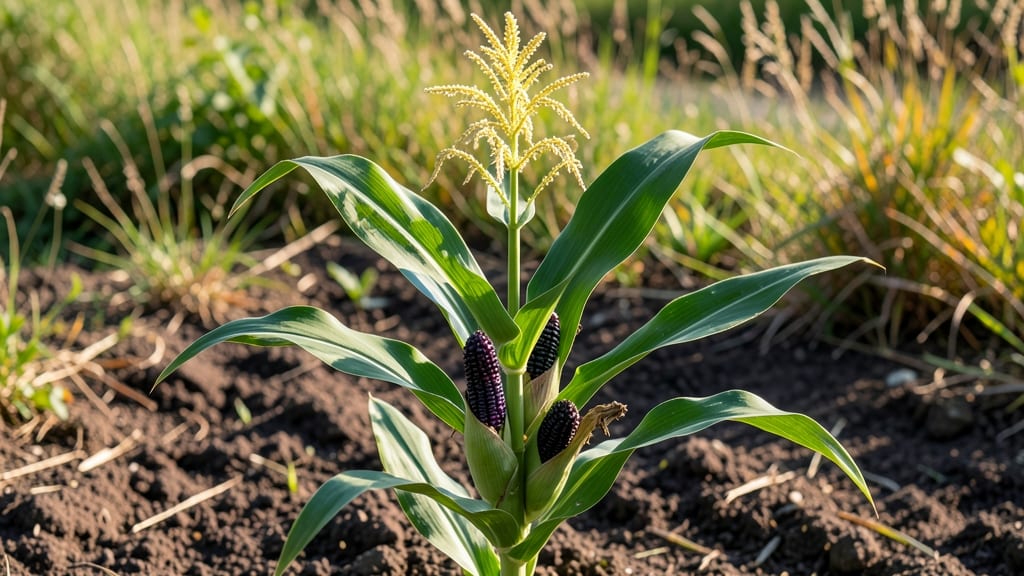
Growing Montana Morado corn transforms your mountain garden into a vibrant purple cornfield. 🌽 This heirloom variety thrives where other corn struggles, with its striking color and cold-hardy nature.
I planted mine last spring in my high-altitude yard, and the results were stunning—ears stayed purple even after cooking, and the flavor was rich and sweet. The secret lies in its love for cooler temperatures and well-drained soil. Unlike tropical corn varieties, Montana Morado handles Montana's short growing season beautifully.
You'll need full sun (6+ hours daily) and consistent moisture, but the payoff is worth it—ears that stay compact and flavorful even in challenging climates. Once mature, you'll harvest ears with a deep purple hue that fades to golden yellow when cooked.
The kernels are tender, slightly sweet, and perfect for soups, stews, or fresh eating. This variety also resists common corn diseases, making it a reliable choice for mountain gardeners. For best results, plant seeds 1 inch deep and 4 inches apart in blocks (not rows) to ensure proper pollination.
If you're new to corn growing, this variety forgives common mistakes better than most—just give it space and patience, and you'll have a harvest to remember.
📚 In This Guide
- What you need
- Instructions
- Tips and common mistakes
- Wrapping up and next steps
What you need
- ● Montana Morado corn seeds – Purchase from a reputable seed supplier (aim for 1–2 lbs per 100 ft²).
- ● Well-draining soil – Test for pH (ideal range: 6.0–7.0). Amend with compost if needed.
- ● Fertilizer – Balanced organic fertilizer (e.g., 10-10-10) or compost tea for nutrients.
- ● Watering can or hose – Corn needs consistent moisture, especially during tasseling.
- ○ Garden stakes or trellis – Optional but helpful for taller varieties (up to 8 ft).
- ● Row cover or frost cloth – Protects seedlings from late frosts (30–34°F tolerance).
- ● Seedling trays for early starts (if transplanting).
- ● Mulch (straw or grass clippings) to retain moisture.
- ● Corn-specific fungicide (prevents rust or blight in humid areas).
- ● Pruning shears (for removing lower leaves to improve airflow).
Step-by-step instructions for growing Montana Morado corn
This cold-hardy heirloom thrives in mountain climates—here’s how to grow it successfully.
🌱 Step 1: Start Seeds Indoors 4-6 Weeks Before Last Frost
Montana Morado corn needs warmth to germinate, so I start seeds indoors under grow lights. Fill 2-inch deep biodegradable pots with moistened seed-starting mix, planting 2 seeds per pot at a depth of 1 inch. Cover lightly with soil—just enough to hide the seeds completely.
Keep the soil consistently moist (not soggy) at 75-85°F using a seedling heat mat. Germination takes 7-14 days, but don’t be surprised if it takes longer in cooler mountain homes. Once sprouts emerge, remove the weaker seedling, leaving the strongest one per pot.
☀️ Step 2: Harden Off Seedlings Before Transplanting
Two weeks before your last frost date, begin hardening off seedlings by placing them outside in a sheltered spot for 1-2 hours daily. Gradually increase exposure over 10-14 days, ending with full sun. This toughens stems and prevents shock when planted outdoors.
Watch for first true leaves (the second set after the initial seed leaves) before transplanting. These plants are ready when they’ve developed 4-6 leaves and are at least 6 inches tall. Hardening off is critical—skipping it leads to stunted growth in mountain climates.
🪴 Step 3: Plant in Full Sun with Well-Draining Soil
Choose a site with 6+ hours of direct sun daily—Montana Morado needs warmth to mature. Space plants 12 inches apart in rows 3 feet apart to allow for strong stalks. Dig holes just deep enough to cover the root ball, then water deeply to settle the soil.
Mulch around the base with 2-3 inches of straw to retain moisture and regulate soil temperature. This variety tolerates cooler soils better than most corn, but consistent moisture is key—especially in mountain climates where afternoon breezes can dry soil quickly.
💧 Step 4: Water Deeply and Fertilize for Strong Stalks
Water 1-2 inches per week, keeping soil moist but not waterlogged. Montana Morado’s deep roots need consistent moisture, especially during tasseling and ear development. Water at the base in the morning to reduce fungal risks from evening dampness.
Side-dress with compost or balanced fertilizer when plants reach 12 inches tall, then again at tasseling. Avoid high-nitrogen fertilizers—they promote leafy growth at the expense of ear development. You’ll know it’s working when stalks grow 6-8 feet tall with strong, upright growth.
⏰ Step 5: Harvest at Peak Maturity for Sweetest Flavor
Ears are ready 85-95 days after transplanting, when silk turns brown and kernels feel plump when pressed. Harvest in the morning on dry days for best flavor. Twist ears gently to avoid damaging stalks—leave a few to dry for seed saving if desired.
Montana Morado’s deep purple kernels turn golden when cooked, offering a nutty, slightly sweet flavor. Store harvested ears in the fridge for 1 week or freeze for longer storage. If left on the stalk, kernels dry into flour—perfect for traditional mountain recipes.
Tips & tricks for growing Montana Morado corn
Took me a while to figure these out, so here goes—these tricks will help your Montana Morado corn thrive in mountain conditions.
Seed Starting Strategy: When planting your 2 seeds per pot at 1 inch deep, use a pencil to make small holes—this ensures consistent depth and prevents overcrowding. I’ve found that using a heat mat set to 75-85°F speeds up germination from the standard 7-14 days to just 5-10 days in my cooler basement. Once sprouts appear, thin carefully with scissors to avoid disturbing roots.
Harden Off Gradually: The 10-14 days hardening off period is where many mountain gardeners fail. Start with just 1-2 hours in morning sun, then move to afternoon shade. I’ve seen seedlings shocked when moved too quickly—watch for wilting as your first warning sign. By the final week, they should handle full sun without stress. This toughens stems so they can withstand mountain winds later.
Soil Temperature Matters: Montana Morado tolerates cooler soils better than most corn, but don’t let that fool you—soil should still warm to at least 55°F before transplanting. I test by pressing my finger into the soil; if it feels cool to the touch, wait another week. The 2-3 inches of straw mulch helps regulate temperature while retaining moisture, which is especially critical during mountain afternoons when breezes can dry soil quickly.
Fertilizer Timing: The instructions mention side-dressing with compost or balanced fertilizer when plants reach 12 inches and again at tasseling. Here’s what I’ve learned: use a low-nitrogen fertilizer (like 5-10-10) to prevent leafy growth that steals energy from ear development. A simple trick is to mix compost directly into the planting hole at transplant time—this gives roots a slow-release boost without risking over-fertilization.
Pro Tips for Montana Morado Corn
- Took me a while to figure these out, so here goes—these tricks will help your Montana Morado corn thrive in mountain conditions.
- Seed Starting Strategy: When planting your 2 seeds per pot at 1 inch deep, use a pencil to make small holes—this ensures consistent depth and prevents overcrowding.
- Harden Off Gradually: The 10-14 days hardening off period is where many mountain gardeners fail.
Frequently asked questions
How cold can Montana Morado corn tolerate?
Montana Morado is one of the hardiest corn varieties, surviving light frosts down to 25°F (-4°C). Young seedlings can handle 32°F (0°C) with mulch or row covers. Plant after your last frost date for best results—this variety thrives in short growing seasons (as few as 80 days to maturity).
When is the best time to harvest Montana Morado corn?
Harvest when kernels are milky but firm (press a kernel—if it leaves a slight dent, it’s ready!). For Montana Morado, this typically occurs 20–25 days after tasseling. Use a sharp knife to cut stalks at the base, then husk immediately. Pro tip: Harvest in the morning for the sweetest flavor!
Can I save seeds from Montana Morado corn for next year?
Yes! This open-pollinated variety is great for seed saving. Let 10–15% of your plants mature fully on the stalk, then dry the ears completely (3–4 weeks) in a well-ventilated area. Remove kernels, store in a cool, dry place, and plant fresh seeds the following spring. Warning: Avoid cross-pollination by isolating plants or planting at different times.
What’s the difference between Montana Morado and regular purple corn?
Montana Morado is a cold-hardy, heirloom variety bred for mountain climates, while other purple corn (like Black Aztec) may struggle in colder regions. Its kernels stay sweeter longer due to slower starch conversion, and it’s often used for blue cornmeal or fresh eating. Bonus: The deeper purple hue fades when cooked—revealing creamy white kernels!
How do I protect Montana Morado corn from pests?
Corn borers and raccoons love this variety! Prevent borers with neem oil or Bt spray during tasseling. Deter raccoons by harvesting promptly and using chicken wire around ears. Troubleshooting: If you spot holes in stalks, prune damaged sections early to save the ear. Rotate crops yearly to reduce pest buildup.
Can I grow Montana Morado corn in containers?
While possible, Montana Morado needs deep roots (12+ inches), so containers must be at least 18 inches wide/deep. Use a large fabric pot with well-draining soil and stake stalks for support. Note: Container-grown corn may yield 20–30% fewer ears—best for small patches or urban gardens.
Wrapping up and next steps
Growing Montana Morado corn is a rewarding journey for gardeners in cooler climates—its vibrant purple kernels and cold-hardy nature make it a standout choice! 🌽 With the right soil, spacing, and care, you’ll enjoy a bountiful harvest that’s as beautiful as it is delicious.
Whether you’re a seasoned gardener or a curious beginner, this variety proves that even mountain climates can yield stunning results.
Ready to plant your seeds? Start by marking your calendar for early spring planting—soon, you’ll be savoring sweet, homegrown corn straight from your garden. Happy growing! 🌱