
Planting
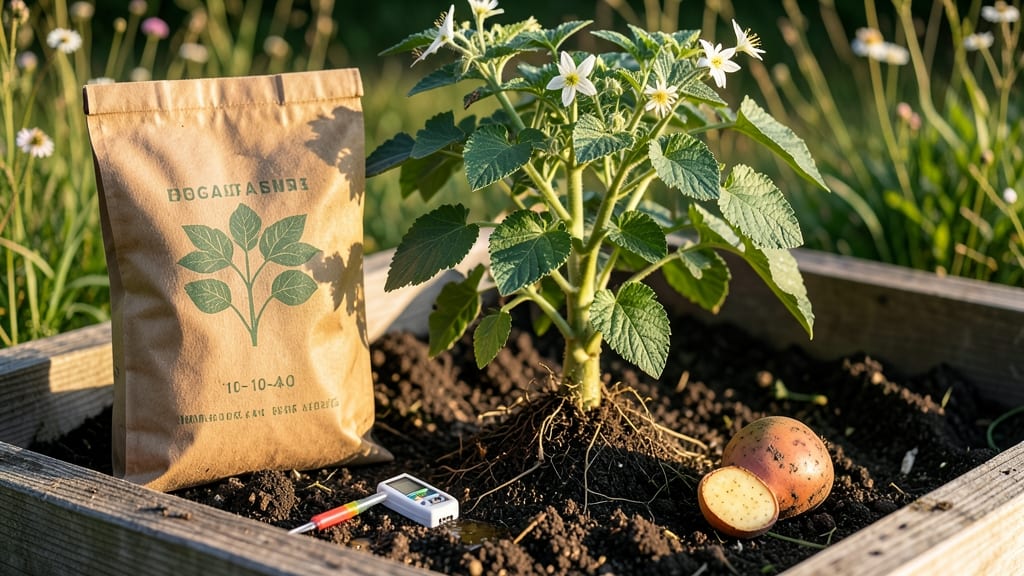
Growing potatoes with the right nutrients means the difference between a meager harvest and a bountiful yield of crisp, flavorful tubers 🥔.
Struggling to grow potatoes that thrive? The secret lies in the soil—not just water and sunlight, but the precise balance of nutrients and pH levels that potatoes crave for explosive growth and disease resistance.
Potatoes need more than just nitrogen—they demand phosphorus for strong roots and potassium for disease resistance, while micronutrients like boron and magnesium keep tubers from cracking or rotting.
In this guide, I’ll break down exactly what nutrients potatoes need, how to test your soil, and the organic and synthetic fertilizers that deliver results without burning your plants.
Essential macronutrients for potato growth and soil pH requirements
Potatoes are heavy feeders, demanding precise nutrient ratios and soil pH balance to produce high-yield, disease-resistant tubers. Without the right macronutrients—like nitrogen, phosphorus, and potassium—your plants may struggle with stunted growth, poor tuber formation, or even rot.
I’ve grown potatoes for over a decade, and I can tell you: soil pH between 5.0 and 6.5 is non-negotiable for optimal nutrient uptake and tuber quality.
Let’s break down the four critical macronutrients potatoes need, how their soil pH requirements affect absorption, and the telltale signs of deficiencies or toxicities that could ruin your harvest. Whether you’re using organic fertilizers or synthetic blends, understanding these fundamentals will transform your potato patch from mediocre to magnificent.
First up is nitrogen (N), the building block of chlorophyll and leafy growth. Potatoes need a steady supply early in the season to establish strong foliage, but too much nitrogen late in the game can lead to excessive leaf growth at the expense of tuber development.
Think of it as the gas pedal for your plants—press too hard too late, and you’ll end up with lush vines and tiny potatoes.
Next, phosphorus (P) is the secret weapon for tuber formation. Without enough phosphorus, your potatoes may struggle to develop properly, resulting in small, misshapen tubers or even failure to set tubers at all. This nutrient also plays a crucial role in disease resistance, so don’t skimp on it.
Aim for a balanced fertilizer with a higher phosphorus ratio, like a 10-20-20 blend, during the flowering stage to encourage robust tuber growth.
Potassium (K) is often overlooked but is vital for disease resistance and overall plant vigor. Potatoes deficient in potassium will show yellowing leaf edges and weakened stems, making them more susceptible to diseases like late blight. To prevent this, incorporate potassium-rich amendments like wood ash or greensand into your soil before planting. I’ve seen firsthand how a potassium boost can turn a struggling potato patch into a disease-resistant powerhouse.
Finally, calcium (Ca) is the unsung hero of potato growth, preventing issues like blossom end rot and hollow heart in tubers. Calcium helps strengthen cell walls, ensuring your potatoes develop uniformly and stay firm.
If your soil is too acidic (below pH 5.0), calcium uptake suffers, leading to those dreaded soft spots. To fix this, add crushed eggshells or lime to your soil, especially in sandy or acidic soils.
Now, let’s talk soil pH, because it’s the gatekeeper for nutrient absorption. Potatoes thrive in slightly acidic to neutral soil (pH 5.0–6.5). If your soil pH is too low (below 5.0), essential nutrients like phosphorus and calcium become locked away, while aluminum and manganese toxicity can occur.
On the flip side, alkaline soil (above 7.0) reduces the availability of
Critical micronutrients and organic sources for potato plants
While nitrogen, phosphorus, and potassium get most of the attention, micronutrients play a hidden but vital role in potato health. These trace elements—boron, magnesium, zinc, and others—directly impact tuber quality, disease resistance, and yield.
Without them, even well-fertilized potatoes may struggle with poor formation or weak stems. The good news? You can easily supply these through organic sources like compost, manure, and mineral-rich amendments.
Potatoes need boron for cell wall strength and magnesium for chlorophyll production, but they’re often overlooked in favor of macronutrients. A deficiency in boron, for example, can lead to cracked tubers or hollow hearts—a nightmare for harvest time.
Meanwhile, zinc and copper deficiencies show up as stunted growth or distorted leaves. The key is balancing these micronutrients with the right organic amendments at the right time.
- 1 Boron – Prevents cracked tubers and hollow hearts. Use borax (1 tsp per gallon of water) as a foliar spray or mix compost rich in boron into soil at planting.
- 2 Magnesium – Boosts chlorophyll and tuber size. Apply Epsom salt (1 tbsp per foot of plant height) every 4-6 weeks or use kelp meal for a slow-release source.
- 3 Zinc – Prevents yellowing leaves and stunted growth. Mix zinc sulfate (1 tsp per gallon) into water for foliar sprays or add worm castings to soil for a natural boost.
- 4 Copper – Fights blight and fungal diseases. Use copper sulfate (1 tsp per gallon) as a preventive spray or incorporate composted manure for long-term supply.
- 5 Molybdenum – Enhances nitrogen fixation. Add bone meal (1 cup per 10 sq ft) at planting for a slow-release source or use wood ash sparingly (1/2 cup per plant).
Timing is everything when it comes to micronutrient absorption. Apply boron and magnesium at planting and again when flowers appear, while zinc and copper can be added mid-season if deficiencies arise.
For organic gardeners, composted manure (especially from cows or chickens) and kelp meal are powerhouses for micronutrients. Just avoid overdoing it—too much boron or copper can be toxic.
To test your soil’s micronutrient levels, send a sample to a local extension office or use a home test kit. If your potatoes show signs of yellowing leaves (magnesium deficiency) or distorted growth (zinc deficiency), act fast with targeted amendments.
For example, a quick foliar spray of Epsom salt can revive magnesium-starved plants in days. Remember, healthy tubers start with healthy leaves—and that means paying attention to these often-overlooked nutrients.
For best results, blend micronutrients into your soil preparation routine. Mix 1-2 inches of compost into the top 6 inches of soil before planting, then top-dress with kelp meal or worm castings every 6 weeks.
This approach ensures a steady supply of micronutrients without the risk of overapplication. Your potatoes will thank you with firm, disease-resistant tubers and a bountiful harvest.
Don’t let micronutrient deficiencies sabotage your potato crop. With the right organic sources and a little proactive care, you can grow potatoes that are not just abundant but also high-quality and resilient. Start small—test your soil, amend as needed, and watch your tubers thrive! 🌱