
Planting
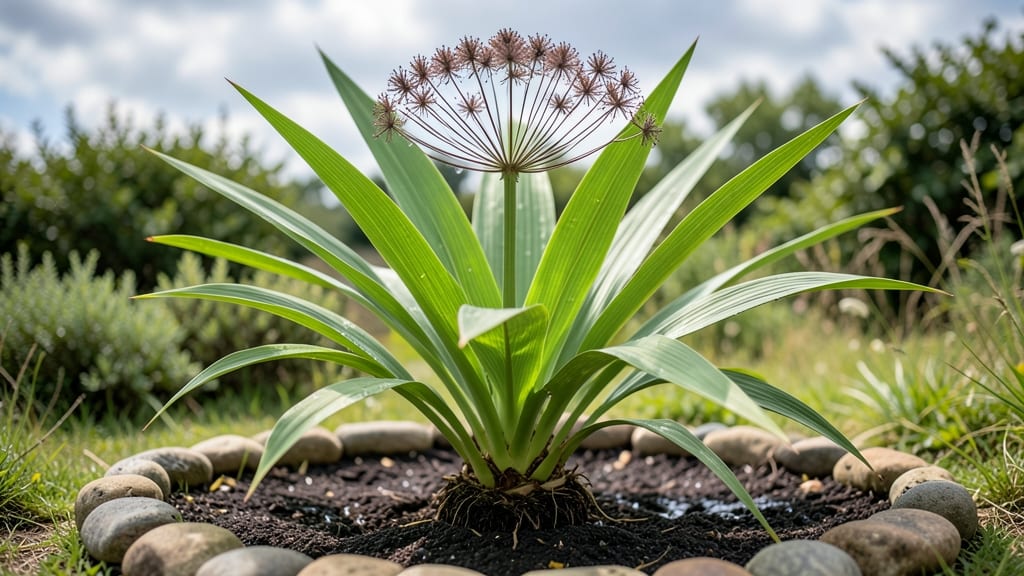
Your pond just got a dramatic upgrade with papyrus—tall, feathery stalks that sway like ancient papyrus reeds. 🌿 This isn’t just a plant; it’s a statement piece that thrives in shallow water, filters impurities, and attracts pollinators year-round. The key?
Getting the water depth and sunlight just right from day one. Papyrus loves 12-24 inches of water and full sun (6+ hours daily), but it’s surprisingly adaptable—even in partial shade. Start with a 10-15 gallon container filled with aquatic soil or sand, then plant the crown just below the waterline.
Propagation’s easy: divide mature clumps in spring, and watch them multiply faster than weeds. By summer, your papyrus will stand 5-12 feet tall, casting dappled shade and creating a tropical vibe. The roots filter algae, and the feathery plumes provide shelter for frogs and dragonflies.
Just avoid stagnant water—papyrus hates soggy roots, not shallow depths. Pair it with water lilies, cattails, or lotus for a layered look, and you’ve got a low-maintenance ecosystem that outshines plastic decor. Ready to transform your pond into a living masterpiece?
📚 In This Guide
- What you need
- Instructions
- Tips and common mistakes
- Wrapping up and next steps
What you need
- ● Papyrus plants (Cyperus papyrus): 3–5 mature plants (12–18 inches tall) for a small pond; 6+ for larger features.
- ● Pond container: Pre-formed pond liner (1,000–3,000 sq. ft. for 3–6 ft. depth).
- ● OR a sturdy plastic or fiberglass pond (minimum 2 ft. deep).
- ● Water source: Garden hose with adjustable nozzle, bubbler, or small water pump (if no natural water flow).
- ● Soil/sediment: 6–12 inches of pond-specific substrate (sand, gravel, or aquatic soil mix).
- ● Fertilizer: Slow-release aquatic plant tabs or liquid fertilizer (balanced NPK 10-10-10).
- ● Tools: Garden trowel or pond plant spade.
- ● Measuring tape.
- ● Gloves (waterproof recommended).
- ● Decor: Smooth river rocks, driftwood, or floating plants (e.g., water lilies) for aesthetics.
- ● Lighting: Solar-powered LED lights for evening ambiance.
- ● Fish-friendly add-ons: If adding fish, include a small air stone or fountain for oxygenation.
- ● Pond vacuum: For occasional debris cleanup.
Step-by-step instructions for cultivating papyrus as a pond centerpiece
Transform your water feature with this striking, low-maintenance plant that brings drama and texture to any aquatic garden.
🪴 Step 1: Select and Prepare the Perfect Container
Papyrus thrives in at least 12 inches of water depth, so choose a wide, shallow container like a whiskey barrel planter or fiberglass pond liner basin. I like to use containers with smooth edges—they prevent the plant's fibrous roots from snagging as it grows. Place your container in full sun to partial shade (6+ hours of sunlight daily), as papyrus needs bright light to maintain its iconic, upright form.
Before planting, rinse the container thoroughly with chlorine-free water to remove any chemical residues. If using a pre-formed liner, fill it with 2-3 inches of aquatic soil at the bottom—this provides anchorage for the roots while keeping the plant stable. Skip the soil if planting directly in a pond; papyrus will grow happily in just water.
🌱 Step 2: Plant the Papyrus Crown and Establish Roots
Papyrus grows from crowns (the thick, fibrous base of the plant), not seeds. Gently remove the crown from its packaging and soak it in water for 24 hours before planting—this jumpstarts root growth and reduces transplant shock. You’ll know it’s ready when you see tiny white roots emerging from the base.
Place the crown in the center of your container, ensuring the top of the crown sits just below the water’s surface. Use aquatic plant weights (like smooth river rocks) to hold it in place if needed. Papyrus spreads aggressively, so allow at least 24 inches of space between plants if grouping multiple crowns. Avoid burying the crown—it needs access to both water and air.
☀️ Step 3: Maintain Water Quality and Light for Optimal Growth
Papyrus is drought-tolerant once established, but consistent water levels are key during the first 30 days. Top off the container with dechlorinated water (let tap water sit for 48 hours or use a water conditioner) to prevent root stress. Aim for 65-85°F water temperatures—papyrus handles heat well but may slow growth in cooler climates.
Watch for yellowing leaves—this signals either low light (move to sunnier spot) or excess nutrients (reduce fish waste or fertilizers nearby). Prune brown or damaged fronds with clean scissors in early spring to encourage fresh, upright growth. Avoid cutting into healthy stems; papyrus regenerates poorly from severe pruning.
✂️ Step 4: Divide and Propagate for Fuller Growth
Papyrus spreads rapidly, and dividing the crowns every 2-3 years keeps your plant vibrant. In early spring, carefully lift the crown and separate the outer offsets (smaller crowns forming around the base) with a sharp knife. Replant the divisions immediately—papyrus roots are delicate and dry out quickly.
You’ll see new shoots emerging from the offsets within 4-6 weeks. This is your cue to thin crowded clusters to maintain the plant’s signature plume-like shape. Use the divisions to fill gaps in your pond or share with fellow gardeners—papyrus is a favorite for its dramatic, architectural presence.
💧 Step 5: Overwintering for Year-Round Beauty
In USDA Zones 8-11, papyrus stays evergreen and thrives year-round. For colder climates (Zones 4-7), drain the container and store the crown in a bucket of water indoors near a south-facing window (or under grow lights). Keep the water just above the crown and reduce light slightly—papyrus goes semi-dormant in winter.
Resume outdoor planting in late spring after the last frost, when water temperatures reach 60°F. You’ll notice fresh green growth within 2-3 weeks of returning it to the pond. This plant is remarkably resilient—even if it browns slightly in winter, it’ll bounce back with lush, feathery regrowth come spring.
Tips & tricks for cultivating stunning papyrus pond plants
Here's what I've learned after years of growing papyrus—these tricks make all the difference between a struggling plant and a showstopping water feature.
Container Selection: Smooth edges aren't just about aesthetics—they prevent those fibrous papyrus roots from snagging as the plant grows. I've seen papyrus crowns get tangled in rough containers, causing stress and stunted growth. For extra stability, consider containers with built-in drainage holes that you can temporarily plug during the first 30 days of establishment.
Root Establishment: Don't rush the 24-hour soaking period—this is when the magic happens. The tiny white roots that emerge during this time are your plant's lifeline. I've found that adding a pinch of aquatic plant fertilizer to the soaking water gives the crown a gentle nutrient boost right from the start, but only do this if your water is particularly nutrient-poor.
Light Management: While papyrus thrives in full sun, too much direct afternoon sun can scorch the delicate fronds in hot climates. I've had success with 50% shade cloth during peak summer hours (11am-3pm) in Zone 9 gardens. The plant will tell you what it needs—if you notice fronds turning crispy at the edges, that's your cue to provide some afternoon shade.
Winter Care: When overwintering in colder climates, I've discovered that placing the container near a south-facing window with supplemental grow lights (12 hours/day) prevents the crown from going completely dormant. This "light winter" approach keeps the plant's metabolism active enough to bounce back faster in spring, though it won't grow much during this period.
Pro Tips for Papyrus Pond Plant
- Here's what I've learned after years of growing papyrus—these tricks make all the difference between a struggling plant and a showstopping water feature.
- Container Selection: Smooth edges aren't just about aesthetics—they prevent those fibrous papyrus roots from snagging as the plant grows.
- Root Establishment: Don't rush the 24-hour soaking period—this is when the magic happens.
Frequently asked questions
Got questions about growing papyrus pond plants?
Here are some of the most common ones—plus quick answers to help you create a thriving water feature!
How much sunlight does papyrus need to grow well?
Papyrus thrives in full sun to partial shade (6–8 hours of sunlight daily). In hot climates, afternoon shade helps prevent leaf scorch. If growing in containers, rotate them occasionally for even light exposure. Too little light? Expect slower growth and fewer seed heads.
Can papyrus survive winter in cold climates?
Papyrus is tender perennials and dies back in frost. In USDA Zones 8–11, it may return yearly. In colder zones, treat it as an annual or overwinter indoors in a container with cool (50–60°F) but bright conditions. Drain excess water and trim dead foliage before bringing it inside.
How deep should the water be for papyrus plants?
Ideal water depth is 12–24 inches. Shallow water (<6 inches) stresses roots, while deeper water (over 3 feet) can cause rot. Use a pond liner or container with drainage holes if planting in a small feature. Add a layer of gravel or sand at the bottom for stability.
Will papyrus attract pests or wildlife?
Papyrus is generally pest-resistant but may draw mosquitoes if stagnant water breeds them. Keep water circulating with a small pump or fountain. Birds, frogs, and dragonflies love the habitat—great for biodiversity! Just avoid overcrowding, which can lead to fungal issues.
What’s a good alternative if papyrus is too hard to grow?
Try these low-maintenance water plants:
- Cattails – Hardy, oxygenates water, and tolerates colder temps.
- Pickerelweed – Striking purple flowers; thrives in sun to part shade.
- Water lilies – Classic choice; floats or roots in containers.
Wrapping up and next steps
Adding a papyrus pond plant to your water feature isn’t just about aesthetics—it’s a rewarding way to create a thriving, low-maintenance ecosystem that brings life and tranquility to your space. 🌿 Whether you’re a beginner or a seasoned gardener, these hardy plants are a fantastic choice for year-round beauty and natural filtration.
Ready to dive in? Start small—pick a sunny spot, gather your supplies, and watch your pond transform!
💡 Next Steps:
- Plant your papyrus in a container or directly in your pond.
- Monitor water levels and trim as needed to keep it lush.
- Share your progress with fellow plant lovers—tag us @YourGreenSpace!