
Planting
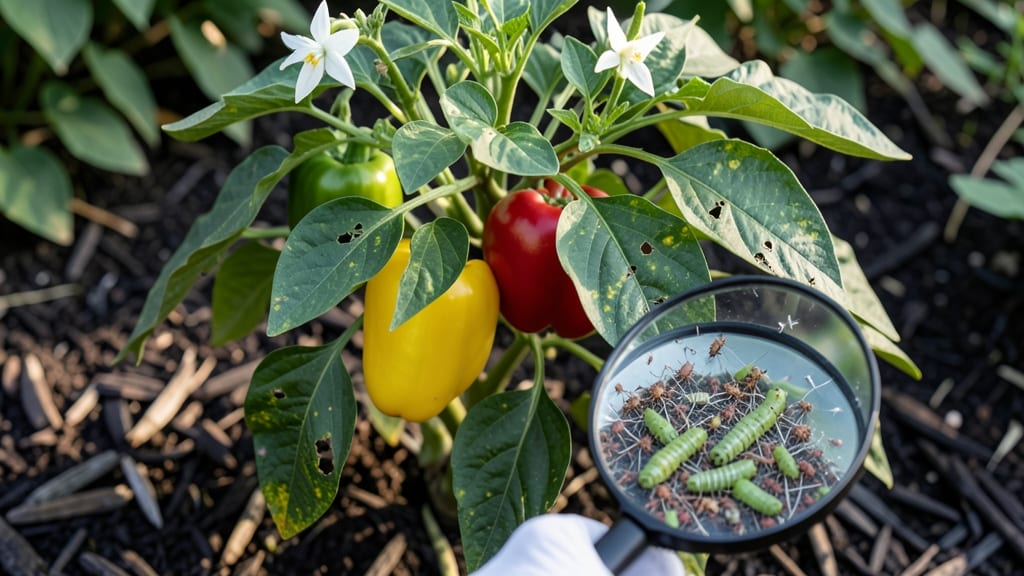
Seeing tiny holes in the pepper plant pests pictures you’ve spotted? 🌶️ Those aren't just random damage—they're likely hornworms or spider mites, and I've helped gardeners like you identify and stop them before they ruin your harvest.
This guide shows you exactly what to look for, from fuzzy webs to chewed stems, so you can act fast and save your plants.
Most pepper pests start small but multiply fast if ignored. Aphids cluster on new growth, hornworms strip leaves overnight, and spider mites leave speckled yellow marks. The good news?
Catching them early means simple fixes like neem oil sprays or hand-picking work better than harsh chemicals. I've used these methods for years—no fancy tools needed.
By the end, you'll recognize pests before they become a problem and know exactly how to respond. Your plants will stay lush and productive, and you'll skip the stress of watching your hard work disappear. Let's get those peppers thriving again—here's how to spot and stop the invaders.
Works for any pepper variety, from sweet bell peppers to spicy jalapeños. Whether you're dealing with a single plant or a full garden, these steps scale easily. Ready to take back control? Let's tackle this together.
Root Causes Behind Pepper Pests
Understanding why pests target your pepper plants is the first step in protecting them. These tiny invaders don’t just appear out of nowhere—they’re drawn by specific conditions that make your garden a five-star buffet.
Let’s break down the real reasons your peppers are under siege, backed by science and actionable insights.
Pests like aphids, whiteflies, and spider mites thrive in dense, humid environments where air circulation is poor. Here’s why:
- Lack of airflow creates a microclimate with higher humidity, perfect for fungal pests (like thrips) and soft-bodied insects (like aphids).
- Overcrowded plants provide more hiding spots and easier movement for pests, making them harder to spot and eliminate.
- Weakened immunity: When plants are too close, they compete for nutrients, stressing them and making them more susceptible to attacks.
💡 Pro Tip: Space pepper plants 18–24 inches apart and prune regularly to improve airflow. If growing in containers, ensure pots have drainage holes to prevent soggy roots—a pest magnet.
Pests often target stressed plants, and nutritional imbalances are a major stressor. Here’s how it plays out:
| Nutrient Issue | Pest Attraction | Why It Happens |
|---|---|---|
| Nitrogen deficiency | Aphids, whiteflies | Weak, yellowing leaves are easier to pierce and provide sap-rich meals. |
| Phosphorus deficiency | Spider mites, thrips | Stunted growth makes plants more vulnerable to physical damage. |
| Over-fertilization (especially nitrogen) | Fungus gnats, slugs | Excess salts in soil attract moisture-loving pests and burn roots, weakening plants. |
| Potassium deficiency | Hornworms, cutworms | Soft stems are easier to chew through, and poor disease resistance follows. |
🔥 Action Step: Test your soil every 2–3 years and amend with balanced fertilizer (e.g., 10-10-10). Avoid high-nitrogen fertilizers late in the season—it encourages leafy (but pest-prone) growth over fruit production.
Watering habits directly impact pest populations. Here’s how:
- Overwatering 🌧️:
- Fungal pests (like root-knot nematodes) love soggy soil—it’s their ideal breeding ground.
- Soft, mushy leaves attract slugs, snails, and fungus gnats, which thrive in damp conditions.
- Weak roots can’t support the plant, making it more attractive to sap-sucking insects.
- Underwatering 🏜️:
- Drought-stressed plants produce sticky honeydew, a magnet for ants and aphids.
- Wilting leaves become easier targets for chewing pests like flea beetles.
✨ Smart Watering Hack: Use drip irrigation or soaker hoses to deliver water at soil level, reducing leaf wetness. Water early in the morning so foliage dries quickly—pests hate dry leaves!
Some pests specialize in peppers, while others hitchhike from nearby plants. Here’s the breakdown:
- Attracting natural predators: Planting marigolds, basil, or nasturtiums near peppers can repel pests (like aphids) but may also attract beneficial insects—which can sometimes overwhelm your peppers if not balanced.
- Weedy or wild areas: Grassy weeds and debris harbor overwintering pests (e.g., cutworms, earwigs) that later migrate to your peppers.
- Monoculture planting: Growing only peppers in a row makes it easier for pests to spread without natural barriers.
🎯 Prevention Tip: Practice crop rotation (don’t plant peppers in the same spot yearly) and remove weeds within a 10-foot radius of your garden. Interplant with herbs like thyme or oregano—their strong scents deter many pests.
Pests are highly sensitive to temperature and weather patterns. Here’s how seasonal changes invite them in:
- Warm, humid summers 🌞:
- Whiteflies and spider mites explode in populations when temperatures rise above 80°F (27°C).
- Fungal diseases (like powdery mildew) spread faster in sticky, humid air.
- Cool, wet springs 🌧️:
- Slugs, snails, and cutworms become more active in damp conditions.
- Seedlings are more vulnerable to cabbage worms and flea beetles when young.
- Late summer droughts 🏜️:
- Thrips and aphids migrate to stressed plants for an easy meal.
- Birds and rodents may raid your peppers if other food sources dry up.
🌡️ Climate Control Tip: Use row covers in early spring to block flying pests, and mulch heavily to retain moisture (but not create soggy conditions). Shade cloth can help in intense heat, reducing stress on plants.
Healthy gardens naturally regulate pest populations through beneficial insects, birds, and microbes. When these helpers are missing:
- Aphids and whiteflies go unchecked without ladybugs or lacewings.
- Caterpillars (like hornworms) devour peppers if parasitic wasps aren’t present.
- Fungal pests (like powdery mildew) spread unopposed without competitive microbes in the soil.
🔥 Eco-Friendly Fix: Install birdhouses, bat boxes, or insect hotels to attract natural predators. Plant pollinator-friendly flowers (like dill or fennel) to boost beneficial insect populations.
Many gardeners wait until pests are visible—by then, the infestation is often out of control. Common red flags:
- Sticky leaves (honeydew) → Aphids or whiteflies.
- Silky webbing → Spider mites.
- Holes in leaves → Flea beetles or hornworms.
- Wilting despite water → Root-knot nematodes or fungal root rot.
👀 Vigilance Pays Off: Inspect plants weekly, especially under leaves and along stems, where pests hide during the day. Catch them early—most infestations are easier to treat before they spread.
Quick Fixes for Common Pepper Pests
Pepper plants are resilient, but pests can quickly turn your thriving garden into a battleground. The good news? Most infestations can be tackled with simple, effective strategies—without resorting to harsh chemicals.
Below, we’ve mapped out practical solutions for the most common pepper plant pests, organized by cause. Follow these steps to restore your plants to peak health and keep future invaders at bay.
Signs: Sticky residue (honeydew), curled leaves, wilting, or ants trailing on stems.
How to Treat It
- 🔥 Blast Them Off - Use a strong stream of water from your hose to dislodge aphids from leaves and stems.
Repeat every 2–3 days until they’re gone. - Pro tip: 💡 Do this in the early morning so the plants dry quickly, reducing fungal risks.
- 🍳 Soap Suds Spray
- Mix 1 tbsp mild dish soap (like Dawn) with 1 quart of water in a spray bottle. Test on a small leaf first—aphids will dissolve on contact!
- Spray directly on infested areas, focusing on the undersides of leaves where they hide.
- 👨🍳 Introduce Beneficial Insects
- Ladybugs, lacewings, and parasitic wasps love aphids. Buy them online or attract them with neem oil (spray lightly in the evening).
- 🌿 Prevention
- Encourage natural predators by planting marigolds, basil, or dill nearby.
- Inspect new plants before adding them to your garden—aphids spread fast!
Signs: Ragged holes in leaves, stems cleanly cut at ground level (especially in young plants).
How to Fix It
- 🔪 Manual Removal (Best at Night!)
- Cutworms hide near the soil during the day. Flashlight in hand, check stems and soil surface at dusk or dawn.
- Drop them into soapy water to kill them instantly.
- 🥘 Collar Barrier
- Cut a 2-inch ring from a plastic bottle or aluminum foil. Place it 1–2 inches above the soil around young plants. Cutworms can’t crawl over it!
- 🌡️ Trap Cropping
- Plant radishes or lettuce nearby—cutworms prefer these over peppers. Remove them and dispose of the pests in a sealed bag.
- 🎯 Prevention
- Avoid overwatering—cutworms thrive in moist soil.
- Rotate crops yearly to disrupt their life cycle.
Signs: Fine webbing on leaves, bronze or yellow speckling, leaves drying out.
How to Treat It
- 🍳 Neem Oil Spray (Best Defense) - Mix 1 tsp neem oil + 1 tsp mild soap + 1 quart water.
Spray both sides of leaves until fully coated. Repeat every 5–7 days for 2–3 weeks. - Warning: 🌡️ Apply in cool weather (below 90°F) to avoid burning plants.
- 🔥 Water Blast
- Spider mites hate humidity. Mist plants daily with water (especially undersides) to wash them off.
- 👨🍳 Predatory Mites Release
- Phytoseiulus persimilis (a beneficial mite) feasts on spider mites. Order online or find them at garden centers.
- 🌿 Prevention
- Keep plants healthy—stress attracts mites! Ensure good airflow and balanced fertilization.
- Avoid broad-spectrum pesticides—they kill natural predators.
Signs: Shotgun-like holes in leaves, new leaves looking chewed and tattered.
How to Treat It
- 🥘 Row Covers
- Use lightweight fabric row covers to block beetles while allowing pollination (remove when flowers appear).
- 🔪 Yellow Sticky Traps
- Place yellow cards coated with petroleum jelly near plants. Flea beetles are drawn to yellow and get stuck!
- 🍳 Diatomaceous Earth (DE)
- Sprinkle food-grade DE around the base of plants. It dehydrates beetles on contact. Reapply after rain.
- 🎯 Prevention
- Plant early (beetles arrive in late spring/early summer).
- Interplant with radishes or onions—beetles dislike their scent.
Signs: Large green caterpillars (up to 4 inches!), stripped leaves, black "horn" at the rear.
How to Fix It
- 🔪 Handpick & Drop
- Wear gloves and pluck them off (they squirt blood when threatened!). Drop them into soapy water.
- 🍳 Bacillus thuringiensis (Bt)
- A natural bacteria that kills caterpillars but harms no other plants or animals. Mix with water and spray on leaves.
- 👨🍳 Encourage Birds
- Birds love hornworms! Install a bird feeder nearby to attract them.
- 🌿 Prevention
- Remove egg masses (tiny white clusters on leaves) daily.
- Plant basil nearby—hornworms avoid it!
- 🌱 Healthy Soil = Strong Plants – Use compost and balanced fertilizer to boost pepper resilience.
- 🕒 Rotate Crops – Don’t plant peppers in the same spot yearly to break pest cycles.
- 🌿 Companion Planting – Basil, marigolds, and onions repel many common pepper pests.
- 🔍 Inspect Regularly – Catch problems early with weekly checks (especially undersides of leaves).
Remember: Most pest issues are manageable with quick action—don’t wait until your plants are severely damaged. Try one method at a time, monitor progress, and adjust as needed. Your peppers will thank you with bountiful, pest-free harvests! 🌶️💪
Frequently asked questions
What are the most common pepper plant pests I should look for?
Start with these 5 troublemakers: aphids (tiny green clusters), spider mites (fine webbing + speckled leaves), hornworms (large green caterpillars with black horns), flea beetles (shotgun holes in leaves), and cutworms (cleanly cut stems at soil level). Check undersides of leaves daily—pests hide there!
How do I tell if my pepper plant damage is from pests or disease?
Pest damage is usually irregular—holes, chewed edges, or sticky residue (honeydew). Diseases show as powdery coatings (mildew), yellow patches (bacterial spots), or black spots (fungus). Look for webs or insects—if you see them, it's pests.
Can I use neem oil on pepper plants with fruit?
Yes, but apply it early in the day and avoid spraying directly on peppers when they're ripe. Neem oil is safe for edible plants when used correctly—just rinse peppers before eating if sprayed. For heavy infestations, focus on leaves and stems.
What's the fastest way to get rid of hornworms?
Handpick them at dusk or dawn (they're slow then!) and drop them into soapy water. For quick results, use Bacillus thuringiensis (Bt)—it kills caterpillars within 48 hours without harming your plants or beneficial insects. Check leaves daily for egg masses too!
Will companion planting really keep pests away?
Plant basil, marigolds, or onions nearby—they repel many pests naturally. Basil alone can reduce aphids by 50%, while marigolds deter nematodes. Just avoid planting too many herbs—balance is key to attract beneficial insects too.