
Planting
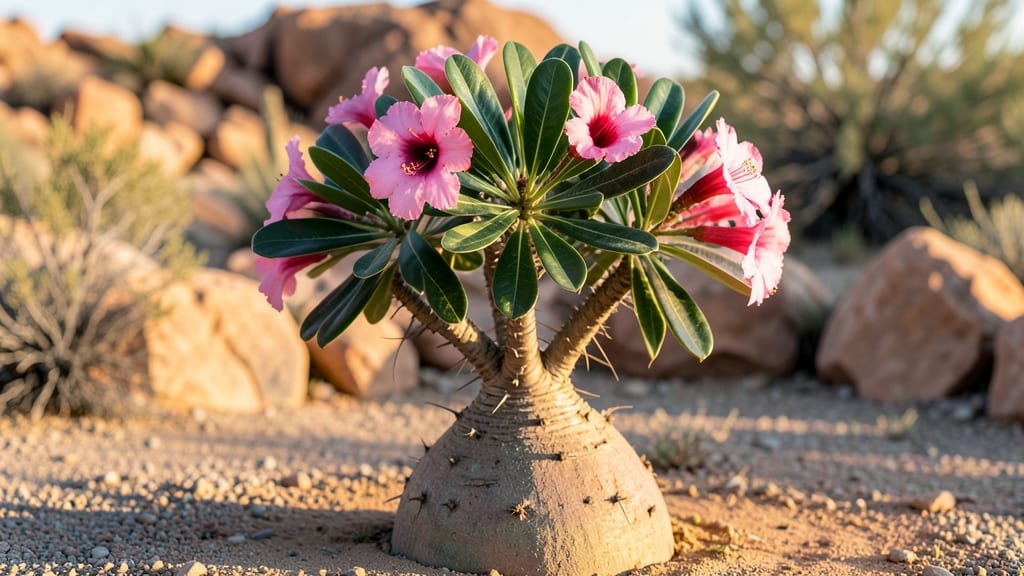
This pink desert rose plant bloomed for the first time last summer—velvety pink flowers that lasted for months with almost no care. 🌵 This drought-resistant succulent thrives on neglect, making it perfect for busy gardeners or dry climates where water is scarce.
The secret lies in its thick, water-storing trunk and minimal water needs once established.
Start with well-draining soil (think cactus mix with perlite) and a sunny spot—at least 6 hours of direct light daily. Overwatering is the #1 killer, so let the soil dry completely between waterings.
In winter, reduce watering to just enough to keep leaves from wrinkling, as this plant naturally enters dormancy in cooler months.
Pruning isn’t just for shaping—it encourages more blooms. After flowering, trim back leggy stems by one-third to promote bushier growth. Propagate from stem cuttings in spring, and watch those thick, caudex-like trunks form over time. The reward? Flowers that appear year-round in warm climates or with proper winter care.
Common issues like mealybugs or root rot are easy to fix with neem oil or adjusted watering habits. With its striking appearance and low-maintenance nature, this plant turns even the driest yard into a showstopper. Ready to grow one?
📚 In This Guide
- What you need
- Instructions
- Tips and common mistakes
- Wrapping up and next steps
What you need
- ● Pink Desert Rose Plant: 1 healthy nursery-grown Adenium obesum (ensure it’s labeled "pink" for blooms!)
- ○ Optional: A mature plant (3+ years old) for faster blooms
- ● Well-Draining Soil Mix: 50% cactus/succulent mix (pre-mixed or DIY)
- ● 30% perlite or pumice (for aeration)
- ● 20% coarse sand or horticultural grit (critical for drainage!)
- ● Pot with Drainage: 1 terracotta or ceramic pot (12–16" diameter for mature plants; smaller for seedlings)
- ○ Optional: A decorative cache pot (ensure the inner pot has drainage holes!)
- ● Basic Tools: 1 pair of sterilized pruning shears (for trimming)
- ● 1 spade or trowel (for repotting)
- ● 1 watering can with a narrow spout (to avoid overwatering)
- ● Sunlight: A spot with 6+ hours of direct sunlight daily (south-facing window or outdoor patio).
- ● Temperature: Thrives in 70–90°F (21–32°C); protect from frost (<32°F/0°C).
- ● Watering Knowledge: Let soil dry completely between waterings—overwatering is the #1 killer!
- ● Patience: Young plants may take 1–2 years to bloom, but they’re worth the wait! 🌸
- ● 🔍 Inspect your plant: Check for pests (like mealybugs) before bringing it home—quarantine new plants for a week!
- ● 🌱 Boost drainage: Add a 1-inch layer of chicken grit or lava rocks at the bottom of the pot.
- ● 🎨 Fertilizer prep: Grab a balanced succulent fertilizer (10-10-10) for when blooming season arrives.
How to grow a thriving pink desert rose plant
Here's the straightforward approach I've used to keep these stunning plants blooming for years—even in dry climates.
🪴 Step 1: Select the Right Container and Well-Draining Soil
Pink desert roses (Adenium obesum) need excellent drainage to prevent root rot, so choose a pot with drainage holes that's at least 12 inches wide and deep. I like terracotta because it breathes and helps regulate moisture. If you're planting outdoors, pick a spot with well-draining soil—amend heavy clay with 20% perlite or coarse sand to improve airflow.
Use a cactus/succulent mix (not regular potting soil—it retains too much moisture). Mix in 20% perlite or pumice to create air pockets. The soil should feel gritty when dry and never stay soggy after watering. If you're repotting, only increase container size by 2 inches every 2-3 years—desert roses prefer being slightly root-bound.
☀️ Step 2: Position for Full Sun and Proper Temperature
Desert roses crave bright, direct sunlight—at least 6-8 hours daily. A south-facing window works indoors, but outdoors, they thrive in full sun exposure. If you notice leaves turning pale or stems stretching (called "etiolation"), your plant isn't getting enough light. Move it closer to the window or supplement with a grow light for 14-16 hours daily.
These plants are tropical but need cool nights to trigger blooming. Keep them in 65-80°F during the day and 55-65°F at night. If your home stays too warm year-round, you might need to mimic seasonal changes by reducing water and light slightly in winter to encourage dormancy and spring blooms.
💧 Step 3: Water Deeply but Infrequently
Overwatering is the #1 killer of desert roses. Water only when the top 2-3 inches of soil feel completely dry—stick your finger in to check. When you water, soak the soil until water runs out the drainage holes, then empty the saucer to prevent root rot. I water mine once every 7-10 days in summer and every 3-4 weeks in winter—less is always better.
If you see wrinkled leaves or the stem shrinking, it's a sign of underwatering. But if the soil stays wet for more than a day or leaves turn yellow and mushy, you're overwatering. Desert roses store water in their thick stems, so they can handle drought better than soggy conditions. Always let the soil dry out between waterings.
✂️ Step 4: Prune and Fertilize for Continuous Blooms
Prune in late winter or early spring before new growth starts. Cut back one-third of the plant to encourage bushier growth and more flowers. Use sterilized shears and make clean cuts just above a leaf node. You can also shape the plant by trimming leggy stems—just avoid cutting into the thick, water-storing base.
Feed with a balanced, water-soluble fertilizer (10-10-10 or 20-20-20) once a month during spring and summer. Reduce to every 6-8 weeks in fall and stop fertilizing in winter. Too much fertilizer causes weak growth and fewer blooms. I also top-dress with slow-release granules in spring to give a steady nutrient boost without risking overfeeding.
🌱 Step 5: Protect from Pests and Seasonal Changes
Desert roses are generally pest-resistant, but watch for mealybugs or scale on new growth. Wipe leaves with a soapy water solution (1 tsp mild soap per quart of water) if you spot sticky residue or white cottony patches. For severe infestations, use neem oil—it's safe and effective. Always apply in the evening to avoid burning leaves in direct sun.
If you're growing outdoors in cold climates, protect the plant from frost by moving it indoors or covering it with burlap. The thick stem can survive brief dips to 30°F, but prolonged cold will damage the plant. In winter, reduce watering to once a month and stop fertilizing entirely. This dormancy period helps the plant store energy for spring blooms.
Tips & tricks for perfect pink desert rose plant care
Between us, these stunning plants reward patience with velvety blooms—but only if you nail the basics. Here's what nobody tells you about keeping your desert rose thriving.
Container Upgrade: While the instructions call for a 12-inch pot, I've found that adding a 3-4 inch layer of gravel or broken terracotta pots at the bottom creates an extra drainage barrier that prevents root rot completely. This mimics their natural arid habitat and gives you peace of mind during those inevitable watering misjudgments. The extra airflow keeps roots happy even when you forget to check soil moisture.
Light Hack: If your desert rose starts stretching toward the window (that's etiolated growth talking), it's time to intervene. Move it to a south-facing window with 6-8 hours of direct sun—if that's not possible, supplement with a grow light on a timer for 14-16 hours daily. Pro tip: Rotate your plant quarter-turn every few days so all sides get even light exposure. Uneven growth leads to lopsided blooms, and nobody wants that.
Watering Wisdom: The "top 2-3 inches dry" rule is golden, but here's the secret: Use a moisture meter for the first few waterings to calibrate your finger's touch. Desert roses store water in their thick stems, so they can handle 7-10 days between summer waterings—but if you see the stem shrinking, it's already too late. I've learned this the hard way after watching perfectly healthy plants suddenly wilt from dehydration.
Pro Tips for Pink Desert Rose Plant
- Between us, these stunning plants reward patience with velvety blooms—but only if you nail the basics.
- This mimics their natural arid habitat and gives you peace of mind during those inevitable watering misjudgments.
- Light Hack: If your desert rose starts stretching toward the window (that's etiolated growth talking), it's time to intervene.
Frequently asked questions
Got questions about nurturing your pink desert rose plant? You’re not alone! Here are some of the most common queries—plus straightforward answers to keep your velvety blooms thriving.
How often should I water my pink desert rose plant?
Water your adenium obesum deeply but infrequently—about once every 2-3 weeks during active growth (spring/summer) and monthly in winter. Overwatering is the #1 killer! Let the soil dry out completely between waterings, and always use a pot with drainage holes to prevent root rot.
Can pink desert roses survive winter outdoors?
Most pink desert roses are tender perennials and need protection in freezing temps (below 40°F/4°C). In colder climates, dig up the plant, trim the foliage, and store the bulb in dry peat moss until spring. If left outdoors, mulch heavily and shield with frost cloth.
Why aren’t my pink desert rose blooms lasting long?
Short-lived blooms often signal stress from overwatering, poor drainage, or lack of sunlight. Ensure your plant gets 6+ hours of direct sun daily and let the soil dry out completely. Deadhead spent flowers to encourage new blooms, and fertilize lightly with a low-nitrogen, high-phosphorus formula during the growing season.
What’s the best way to propagate pink desert roses?
Propagate via seed or stem cuttings for the best results. For cuttings: Snip a healthy stem, let it callus for 1-2 days, then plant in cactus mix. Keep soil moist (not soggy) and place in bright, indirect light. Seeds take longer (4-6 weeks to germinate) but offer more variety!
How do I treat pests like mealybugs or spider mites?
Inspect leaves regularly—mealybugs (white cottony spots) and spider mites (tiny webs) are common. Wipe pests off with a damp cloth or spray with neem oil (1 tsp per quart of water). For severe infestations, isolate the plant and repeat treatment every 5-7 days.
Wrapping up and next steps
The pink desert rose plant is a stunning, low-maintenance addition to any garden, thriving in harsh conditions while gracing your space with velvety blooms year-round.
Its drought-resistant nature makes it perfect for beginners or busy plant parents—just a little sunlight, well-draining soil, and occasional care, and you’ll enjoy its vibrant charm with minimal effort!
Ready to bring a touch of desert magic to your home? Start by gathering your supplies, then follow the steps to plant your pink desert rose—your garden (and future visitors!) will thank you. 🌵✨