
Planting
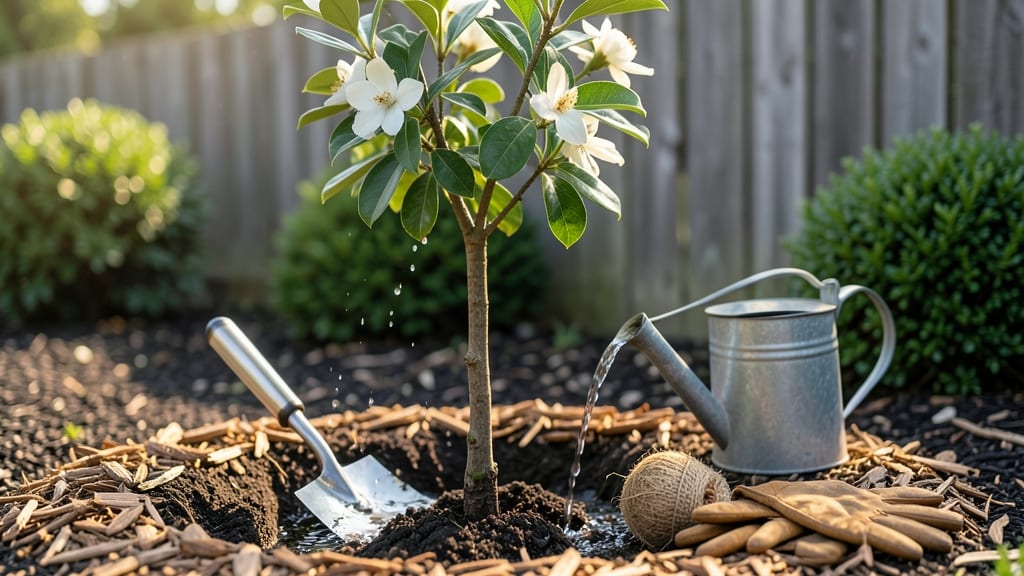
Planting a tree in memory of your pet turns grief into something green and growing. 🌳 I still remember the quiet morning I chose a Japanese maple for my golden retriever—its delicate leaves felt like a whisper of his playful spirit.
This isn't just about planting; it's about creating a living tribute that grows more meaningful with each passing year.
The right tree makes all the difference. Opt for slow-growing varieties like dogwoods or serviceberries—their graceful forms and seasonal interest mirror the love you shared. Add a simple stone marker with your pet's name, or surround it with pet-safe perennials like lavender or catmint for a sensory connection.
The space becomes a quiet place to visit, where sunlight filters through leaves just as it did when your pet was with you.
You'll find peace in the ritual of care—watering, mulching, watching it thrive. A well-chosen tree can live for decades, becoming a natural monument that outlasts memories of loss. The first spring blooms will feel like a gift, a reminder that love lingers in the roots beneath the soil.
This works for any yard size or climate—whether it's a towering oak or a delicate weeping cherry. The key is making it personal: a bench where you can sit, a path that winds past, or even a small garden bed with your pet's favorite flowers. Here's how to begin.
📚 In This Guide
- What you need
- Instructions
- Tips and common mistakes
- Wrapping up and next steps
What you need
- ● Tree sapling: Choose a native, fast-growing species (e.g., dogwood, magnolia, or cherry blossom). Quantity: 1
- ○ Shovel: A sturdy, medium-sized digging tool (16–20 inches long). Optional: A garden spade for finer work.
- ● Gloves: Durable work gloves to protect your hands.
- ● Watering can or hose: With a gentle spray nozzle for hydration.
- ● Mulch: Organic mulch (wood chips, straw, or pine needles) Quantity: 2–3 cubic feet.
- ○ Stakes (optional but helpful): 2–3 wooden or metal stakes + twine for support.
- ○ Planting hole marker (optional): A small flag or stone to mark the spot.
- ● Personalized plaque or engraved stone: To honor your pet’s name or a special message.
- ● Compost or fertilizer: A slow-release, organic option to boost growth.
- ● Pruners: For trimming any damaged branches post-planting.
- ● Camera or journal: To document the moment and track the tree’s growth.
- ● Check local regulations for tree planting permits or restrictions.
- ● Select a sunny or partially shaded spot with well-draining soil.
- ● Plan for a day with mild weather to avoid stressing the sapling.
Step-by-step instructions for planting a memorial tree
Here’s how to create a meaningful, lasting tribute that grows with time.
🌱 Step 1: Choose a Tree With Meaning
Select a tree species that holds special significance for your pet. Dogwoods symbolize loyalty, cherry blossoms represent fleeting beauty, and oak trees embody strength—each carries its own emotional weight. I always opt for native varieties because they thrive with minimal care and support local ecosystems. Visit a local nursery to see options in person; the scent of fresh pine or the vibrant color of a redbud can spark the right memory.
Consider your pet’s personality too. A fast-growing willow might honor an energetic dog, while a slow, sturdy maple could reflect a calm cat’s spirit. Check the tree’s mature height and spread—you’ll want something that fits your space without overwhelming it. Most memorial trees reach 15-30 feet tall, so measure your yard carefully before deciding.
🪴 Step 2: Pick the Perfect Planting Spot
Find a location with at least 6 hours of sunlight daily—most memorial trees need full sun to flourish. Avoid low-lying areas where water pools after rain, as soggy soil can rot roots. I like to plant near a bench or garden path where you can sit and reflect, but ensure the spot isn’t too shaded by existing structures or trees.
Dig a hole twice as wide as the tree’s root ball but no deeper. Loosen the soil at the bottom with a shovel to encourage root spread. If your soil is heavy clay, mix in a few handfuls of compost from the 2 bags (assuming standard 40-lb bags) to improve drainage. This step prevents root suffocation and gives your tree the best start.
☀️ Step 3: Plant With Care and Symbolic Ritual
Gently remove the tree from its container and place it in the hole, ensuring the top of the root ball sits 1-2 inches below soil level—this prevents the trunk from drying out. Fill the hole with soil, tamping lightly every 6 inches to remove air pockets. Water deeply until the soil is moist 12 inches down, which helps settle the roots into place.
Here’s where the personal touch comes in: Place a small keepsake—a collar, toy, or even a lock of fur—near the roots before covering with soil. Some people tie a ribbon or write a message on the trunk. I’ve seen families plant a solar-powered garden light nearby to mark the spot at night. Mulch the area with 3 inches of wood chips (assuming standard 2-cubic-foot bags) to retain moisture and suppress weeds.
💧 Step 4: Water and Protect the New Tree
Water the tree twice weekly for the first 3 months, giving it 5 gallons each time. Young trees need consistent moisture to establish roots—let the top 2 inches of soil dry between waterings. Avoid wetting the trunk directly; instead, water at the drip line (the edge of the canopy) to encourage root growth outward.
Stake the tree only if it leans heavily—use 2-3 stakes and a soft tie to avoid girdling the trunk. I’ve seen too many memorial trees damaged by tight straps that cut into bark over time. Prune any broken branches immediately, but wait until spring to shape the tree further. This gives it time to focus on root growth before putting energy into new leaves.
⏰ Step 5: Create a Maintenance Plan for Years to Come
After the first year, water once weekly during dry spells, increasing to 2-3 times weekly in extreme heat. Most memorial trees need 1 inch of water per week, either from rain or supplemental watering. Fertilize lightly in early spring with a balanced 10-10-10 formula (assuming standard 10-lb bag) to support growth without overfeeding.
Visit the tree regularly—water it, trim dead branches, and take a moment to remember. Over time, the tree will grow into a living monument, its leaves rustling with stories only you know. I’ve seen families add engraved plaques or plant companion flowers nearby to keep the memory alive season after season.
Tips & tricks for planting a memorial tree
These thoughtful touches will help your memorial tree grow strong and meaningful for years to come.
Symbolic Species Selection: I always recommend visiting the nursery with photos of your pet to help staff suggest trees that match their personality. For example, a golden retriever might inspire a sunflower tree, while a feline companion could pair beautifully with a Japanese maple. The tree’s blooms or foliage color can also reflect your pet’s favorite hues—think of it as a living rainbow of memories. Don’t forget to check the tree’s mature size (15-30 feet) against your yard measurements to avoid future surprises.
Soil Preparation Secret: In Step 2, when you’re digging that hole twice as wide as the root ball, take an extra moment to test your soil’s drainage. Fill a small container with soil from the hole, add water, and observe how quickly it drains. If water pools after 30 minutes, your soil is too dense—mix in those 2 bags of compost to improve aeration. This small step prevents root rot and gives your tree’s roots room to breathe, just like your pet would want.
Personal Touch Technique: The keepsakes you place near the roots in Step 3 don’t have to be limited to collars or toys. Consider including a small handwritten note with your pet’s name or favorite quote, or even a tiny photo tucked in a waterproof pouch. I’ve seen families use biodegradable time capsules with pressed flowers from their pet’s favorite places. These hidden treasures become part of the tree’s foundation, growing with your memories.
Watering Wisdom: Those first 3 months of twice-weekly watering (5 gallons each time) are critical, but timing matters too. Water in the early morning so the roots absorb moisture before the heat of the day. If you’re using a hose, let the water flow slowly at the drip line—this encourages roots to spread outward rather than staying shallow. Think of it like giving your pet’s legacy room to grow.
Pro Tips for Plant A Tree In Memory Of A Pet
- These thoughtful touches will help your memorial tree grow strong and meaningful for years to come.
- Symbolic Species Selection: I always recommend visiting the nursery with photos of your pet to help staff suggest trees that match their personality.
- Soil Preparation Secret: In Step 2, when you’re digging that hole twice as wide as the root ball, take an extra moment to test your soil’s drainage.
Frequently asked questions
Got questions about honoring your pet with a living tribute? Here are some of the most common concerns—and thoughtful answers—to help you get started.
What’s the best type of tree to plant in memory of a pet?
Choose a tree with personal meaning! Fast-growing species like dogwood or magnolia (symbolizing love and hope) are popular, while willow trees represent resilience. Consider your climate, sunlight, and space—native trees thrive best and support local ecosystems. Local nurseries can help match your needs!
How long does it take for a memorial tree to grow into something meaningful?
Most trees take 3–5 years to establish roots and show noticeable growth, but their symbolic value starts the day you plant them. Smaller trees (like cherry blossoms) may bloom sooner, while larger species take decades. The emotional impact grows with each passing season—like your pet’s enduring legacy.
Can I plant a tree anywhere, or are there restrictions?
Check local regulations! Many cities offer free or discounted memorial trees through parks or community programs. Avoid planting near power lines, sidewalks, or in protected natural areas. If you’re unsure, contact your municipal arborist or a local environmental group for guidance.
What if I can’t plant a tree myself? Are there alternatives?
No problem! You can:
- Adopt a tree through organizations like Arbor Day Foundation.
- Donate to a wildlife sanctuary or pet memorial fund in your pet’s name.
- Plant a virtual tree via apps like Ecosia or One Tree Planted.
- Create a garden with pet-friendly plants (like lavender or sunflowers) in a pot or shared space.
What if the tree doesn’t survive? How can I troubleshoot?
Even the best-planted trees can struggle. If yours wilts:
- Check the soil moisture—overwatering or drought can kill roots.
- Ensure it gets the right sunlight (too much shade or harsh sun harms growth).
- Look for pests or disease (yellow leaves, holes, or mold). Prune damaged areas and treat gently with organic solutions.
- Give it time—some trees take years to thrive. Consider replanting with a hardier species if needed.
Wrapping up and next steps
Planting a tree in memory of your beloved pet isn’t just about honoring their life—it’s about nurturing something beautiful that will grow and thrive for years to come. 🌱 Whether you choose a native species, a flowering tree, or a hardy sapling, your gesture creates a lasting legacy of love and nature’s renewal.
Now’s the perfect time to take that next step: research local tree nurseries, pick a meaningful spot, and start planting with intention. Your furry friend’s memory will bloom brighter than ever!