
Planting
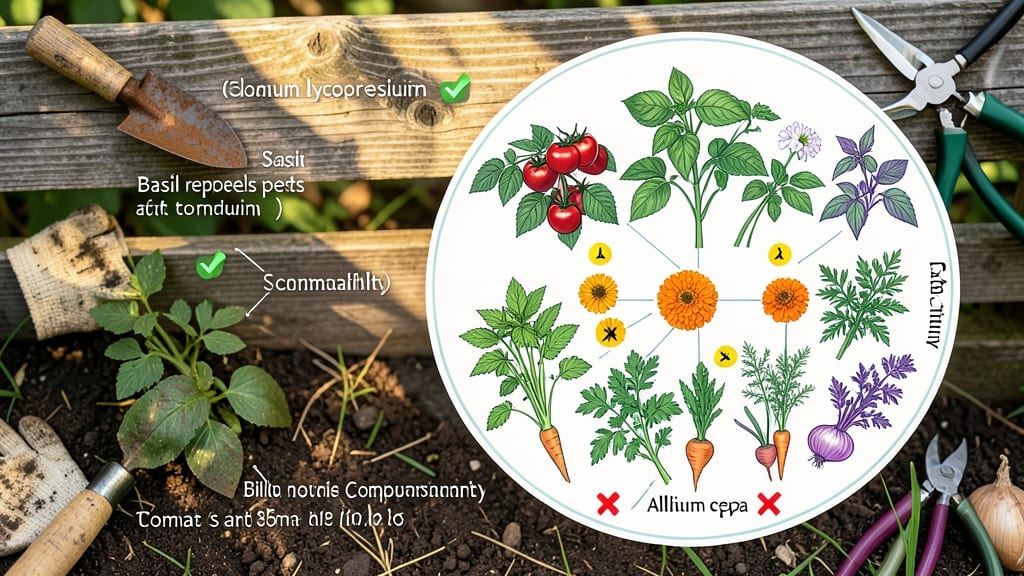
A thriving garden starts with the right neighbors—just like in real life. 🌱 Plant compatibility charts reveal which plants boost each other’s growth (like basil and tomatoes) and which ones compete for resources (like corn and potatoes).
My first garden failed because I ignored these pairings, but once I learned the science, my harvests doubled—and my weeds vanished.
Sunlight needs, water requirements, and root space all play a role. A compatibility chart organizes these factors so you can mix plants that share similar conditions, like drought-tolerant lavender with rosemary or shade-loving ferns with hostas.
The best part? You’ll spend less time fixing problems and more time enjoying a garden that practically takes care of itself.
This system works for containers, raised beds, or in-ground plots. Imagine a 5-gallon pot bursting with thyme, parsley, and chives—all thriving together because they love the same conditions.
Or a border where marigolds repel pests while keeping your veggies healthy. The right pairings turn gardening from guesswork into a foolproof success.
Ready to design a garden that grows effortlessly? The key is starting with a chart that matches your climate and space. Once you see how plants support each other, you’ll never plant randomly again.
📚 In This Guide
- What you need
- Instructions
- Tips and common mistakes
- Wrapping up and next steps
What you need
- ● Plants: Select 3–5 different species (e.g., herbs, flowers, or vegetables) to test compatibility. Ensure they’re healthy and free of pests.
- ● Garden beds or containers: For in-ground planting: A 4’ x 4’ plot with well-draining soil (or raised beds).
- ● For container gardening: 5–10 gallon pots (1 per plant or shared for testing groups).
- ● Soil: High-quality potting mix or garden soil (pH-tested if possible). Aim for 6.0–7.0 pH for most plants.
- ● Watering can or hose: With a gentle spray nozzle for precision.
- ● Measuring tape or ruler: To track plant spacing (follow seed packet guidelines).
- ● Notebook or app: For recording growth, pests, and interactions (e.g., Gardenate or PlantSnap).
- ● Labels: Waterproof tags or sticks to mark each plant/plot.
- ● pH test kit: To monitor soil acidity/alkalinity adjustments.
- ● Compost or fertilizer: Organic options like worm castings or balanced 10-10-10.
- ● Mulch: Straw or shredded leaves to retain moisture.
- ● Camera: For documenting progress over time.
- ● Plant compatibility reference: Books like “The New Sunset Western Garden Book” or online charts (e.g., Gardening Know How).
How to design a thriving garden using science-backed plant pairings
Here's how to create a harmonious garden where plants support each other naturally.
🌱 Step 1: Group Plants by Sunlight Needs
Start by organizing your garden into zones based on sunlight exposure. Place sun-loving plants like tomatoes, peppers, and marigolds in the full sun areas (at least 6-8 hours of direct sunlight daily). These plants thrive when grouped together because they share similar water and nutrient needs.
For partial shade spots (3-6 hours of sun), pair plants like lettuce, spinach, and ferns. These plants appreciate the filtered light and cooler conditions. The key here is to avoid mixing sun-lovers with shade-tolerant plants—the sun-lovers will outcompete the shade plants for resources, leading to weak growth.
☀️ Step 2: Pair Plants with Beneficial Relationships
Some plants naturally enhance each other's growth when planted nearby. For example, basil and tomatoes create a winning duo—basil repels pests like thrips and whiteflies that target tomatoes, while tomatoes provide shade that keeps basil's leaves from scorching in intense afternoon sun. This is called companion planting, and it reduces the need for pesticides while boosting yields.
Another powerful pairing is carrots and onions. Onions deter the carrot fly, a common pest, while carrots help loosen the soil, making it easier for onion roots to establish. Look for plants with similar water needs to keep maintenance simple—this ensures they thrive together without one outcompeting the other.
🌿 Step 3: Separate Plants with Conflicting Needs
Not all plants play well together, and some combinations can stunt growth or attract pests. For instance, beans and onions should never be planted near each other—onions inhibit bean growth, while beans fix nitrogen in the soil, which onions don’t need. Keep these pairs apart to avoid wasted effort and poor yields.
Similarly, potatoes and pumpkins compete aggressively for space and nutrients. Potatoes need staked support and deep soil, while pumpkins sprawl widely and require ample room to vine. Plant them in separate sections of the garden to give each what it needs to flourish.
✂️ Step 4: Plan for Seasonal Successions
Extend your garden’s productivity by planning for seasonal successions. After harvesting early spring crops like peas or radishes, replace them with summer-friendly plants like basil or cucumbers. This keeps the soil active and maximizes space without overcrowding.
For example, lettuce and radishes can be planted together in early spring. Radishes mature quickly (in about 3-4 weeks), so you can harvest them first and then replant the space with lettuce, which thrives in cooler weather. This rotational approach prevents soil depletion and keeps your garden vibrant year-round.
🪴 Step 5: Test and Adjust Your Layout
After planting, observe how your garden evolves over 2-3 weeks. Watch for signs of stress—wilting leaves, yellowing foliage, or pest infestations—these often indicate incompatible pairings. If you notice leggy growth or stunted plants, they may need more light or space, or they might be competing with neighbors.
Adjust as needed by swapping out struggling plants or adding mulch to retain moisture and suppress weeds. Over time, you’ll refine your garden layout to create a self-sustaining ecosystem where every plant thrives alongside its neighbors.
Tips & tricks for creating a thriving plant garden
These practical strategies will help you maximize plant pairings and avoid common gardening mistakes.
Sunlight Zone Precision: When mapping your garden's sunlight zones, use a simple trick to test exposure: Place a white plate in potential planting spots at different times of day. The dirtier the plate after a week, the more direct sunlight that area receives. This helps you accurately determine whether a spot qualifies as full sun (6-8 hours) or partial shade (3-6 hours). I've caught myself misjudging zones before—this method eliminates guesswork!
Companion Planting Shortcuts: Create a quick reference chart using index cards for your most-used beneficial pairings. Write the plant names on one side and their benefits on the other (like "basil repels tomato pests"). Keep this handy during planting to avoid mixing incompatible plants. I keep mine clipped to my gardening gloves—no more forgetting why I planted those onions near the carrots!
Seasonal Transition Tips: For successful seasonal successions like the lettuce-radish pairing, mark your planting calendar with harvest dates for quick-maturing crops (like radishes in 3-4 weeks). This gives you a clear timeline for when to replant with longer-season crops. I color-code my calendar—green for planting, red for harvesting—to visualize the rotation at a glance.
Troubleshooting Growth Issues: If you notice leggy growth or yellowing leaves within those first 2-3 weeks, check for two common causes: either the plants are too crowded (competing for light) or they're getting inconsistent water. Most gardeners overlook watering patterns—use a moisture meter to check soil consistency at different times of day. Uneven moisture is often the real culprit behind what looks like sunlight issues.
Pro Tips for Plant Compatibility Chart
- These practical strategies will help you maximize plant pairings and avoid common gardening mistakes.
- Sunlight Zone Precision: When mapping your garden's sunlight zones, use a simple trick to test exposure: Place a white plate in potential planting spots at different times of day.
- Companion Planting Shortcuts: Create a quick reference chart using index cards for your most-used beneficial pairings.
Frequently asked questions
Got questions about creating the perfect plant pairings? Here are some of the most common concerns—plus science-backed answers to help your garden thrive!
What if two plants on the chart aren’t listed together?
If your favorite pair isn’t on the chart, don’t panic! Many plants can coexist if they share similar needs (sunlight, water, soil pH). Start with one proven combo, observe their growth, and gradually introduce new plants. Always research spacing and nutrient competition—some plants (like tomatoes and brassicas) may still struggle even if they’re not toxic to each other.
How long does it take to see compatibility benefits?
Results vary! Some plants (like basil and tomatoes) show mutual benefits in weeks—think pest control or faster growth. Others, like nitrogen-fixing legumes (e.g., clover) and heavy feeders (e.g., corn), may take months to show soil-improvement effects. Track growth, pest activity, and soil health to gauge success.
What if my plants are already struggling—can I fix it?
First, assess the damage: Wilting, yellowing, or stunted growth could signal incompatibility (e.g., carrots and dill competing for space) or disease (e.g., fungal spread from overcrowding). Separate aggressive plants (like mint or bamboo) immediately. For soil issues, amend with compost or mulch to improve drainage and nutrients.
Are there alternatives for small spaces or containers?
Opt for compact companions like:
- Bush beans + lettuce (beans fix nitrogen; lettuce thrives in shade)
- Strawberries + thyme (thyme deters pests; strawberries love ground cover)
- Chives + carrots (chives repel carrot flies in containers)
How do I know if two plants are truly incompatible?
Watch for these red flags:
- Rapid wilting or leaf drop (could indicate allelopathy, like walnut trees releasing toxins).
- Pests targeting one plant because of its neighbor (e.g., cabbage moths drawn to nearby herbs).
- Stunted growth or poor flowering (often a sign of nutrient theft, like corn outcompeting beans).
Wrapping up and next steps
Creating a harmonious garden isn’t just about aesthetics—it’s about science-backed pairings that boost growth, deter pests, and reduce maintenance. Whether you’re a seasoned gardener or just starting, using a plant compatibility chart takes the guesswork out of planting.
The right neighbors can transform your garden into a thriving ecosystem where plants support each other naturally.
Now that you’re armed with the knowledge, take the next step! Start small—pick a corner of your garden or a container and experiment with a few compatible pairs.
Observe how they interact, and soon you’ll be designing a garden that’s not just beautiful, but efficient and resilient. Happy planting! 🌱✨