
Planting
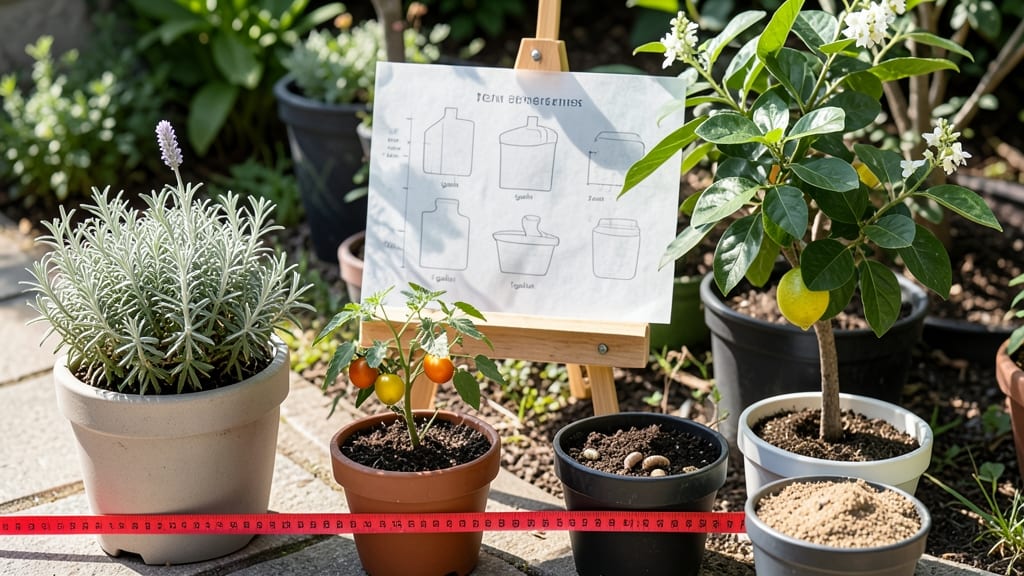
Understanding plant gallon sizes helps you match container volume to root space needs, where 1-gallon pots work for seedlings, 5-gallon pots suit small shrubs, and 15+ gallons support mature trees or large perennials. Larger containers reduce transplant stress but demand heavier materials and improved drainage.
Gallon sizes directly impact how well your plants grow because they determine both the soil volume available for roots and the oxygen circulation in the container. 🌱 A 1-gallon pot might seem ample for a tiny seedling, but its limited space forces roots to grow in tight circles, which can stunt early development.
On the flip side, using a container that's too large risks overwatering—excess moisture in the extra soil can suffocate roots and invite rot. The key is finding that sweet spot where your plant's root system has enough room to expand without the container becoming a breeding ground for problems.
For example, if you're growing herbs like basil or parsley, a 1-gallon pot is perfect because their shallow roots don't need much depth.
But when you move to vegetables like tomatoes or peppers, you'll want to jump to at least a 5-gallon container to accommodate their deeper root systems and heavier foliage. This isn't just about size—it's about giving your plants the right conditions to thrive without unnecessary stress.
💡 In This Article
- How Gallon Sizes Affect Root Growth and Plant Health
- Choosing the Right Gallon Size for Your Plants: A Gardener’s Guide
How gallon sizes affect root growth and plant health
Gallon sizes determine the available soil volume and directly influence root system development. A 1-gallon container holds about 3.8 liters of soil, which is perfect for seedlings because their roots are still tiny—typically 3-5 inches deep.
However, when roots outgrow this space, they become root-bound, circling the pot in a dense mass that restricts nutrient uptake and oxygen flow. This condition, called pot-bound roots, often leads to stunted growth and poor flowering.
The science behind this involves soil aeration and nutrient distribution. Larger containers (like 5-gallon pots) provide 19 liters of soil, giving roots room to spread out and access more nutrients.
For example, a tomato plant’s root system can expand to 12-18 inches deep in a 5-gallon pot, while its foliage grows proportionally. Without enough space, the plant diverts energy to root survival instead of producing fruit. 🌿
Overpotting is equally problematic because excess soil retains moisture longer, creating anaerobic conditions that suffocate roots.
A 15-gallon pot (about 57 liters) might seem ideal for a mature citrus tree, but if the plant’s root system is only 10-12 inches wide, the extra soil can lead to root rot within 2-3 weeks if not managed carefully.
The key is matching container size to the plant’s mature root zone.
Material matters too—terracotta pots dry faster than plastic, reducing overwatering risks in larger sizes. For instance, a 7-gallon terracotta pot for peppers balances drainage and root space better than a plastic equivalent, which can trap moisture.
Always check for drainage holes, as stagnant water in oversized containers is a common killer of container-grown plants.
Consider this rule of thumb: For herbs and leafy greens, 1 gallon per plant is sufficient. For vegetables like tomatoes or peppers, aim for 5 gallons.
Woody plants (e.g., citrus, olive trees) need 15+ gallons to support their deeper root systems. The right size ensures healthy growth without unnecessary stress.