
Planting
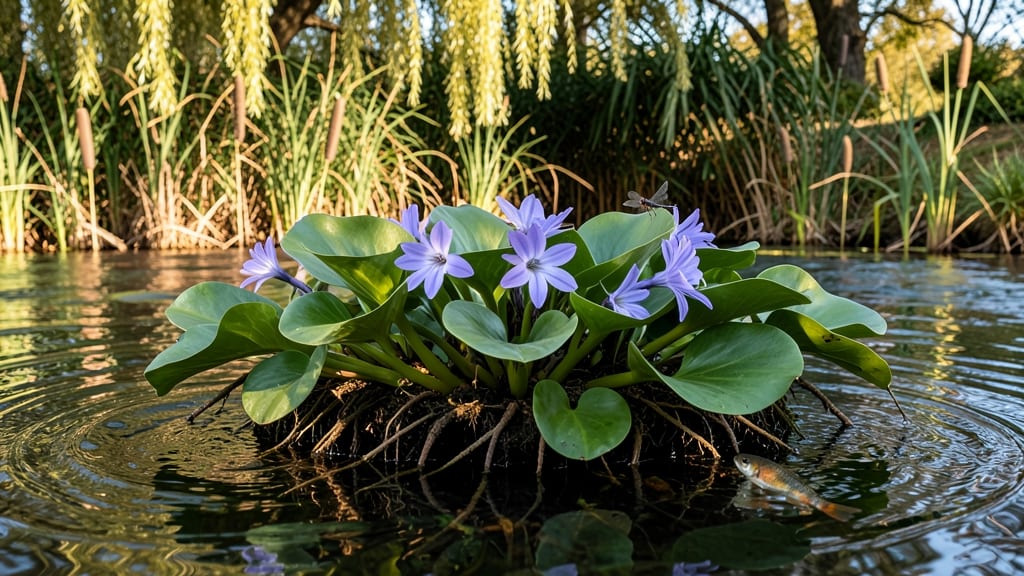
Plant life in rivers thrives through specialized adaptations like submerged roots, flexible stems, and rapid growth to anchor in fast-moving currents while filtering nutrients from flowing water. Common species include water lilies, river reeds, and mosses that stabilize banks and support aquatic ecosystems.
River plants have evolved remarkable traits to survive in their dynamic environments. 🌿 Their submerged root systems don't just anchor them—they also absorb dissolved nutrients directly from the water, eliminating the need for traditional soil-based growth.
Flexible stems bend with the current, preventing uprooting, while rapid growth helps them outcompete weeds in nutrient-poor conditions. What's fascinating is how these adaptations create self-sustaining ecosystems: plants like cattails and water hyacinth don't just survive—they actively purify water by trapping pollutants in their tissues.
These aquatic species also play crucial ecological roles beyond survival. River reeds, for example, create microhabitats for fish and amphibians, while floating plants like duckweed form dense mats that shade the water, cooling it and preventing algae blooms.
The interplay between plant structure and water flow actually improves river health by reducing erosion and maintaining oxygen levels—making them nature's built-in water treatment systems.
💡 In This Article
- Key Adaptations of River Plants for Survival
- Best River Plants for Ecosystem Restoration
Key adaptations of river plants for survival
River plants have developed hydrophytic roots—specialized underwater root systems that absorb nutrients directly from water rather than soil. These roots often grow horizontally along the riverbed, creating dense mats that anchor plants while maximizing surface area for nutrient uptake.
For instance, water lilies develop aerenchyma tissue, which contains air channels to facilitate oxygen transport in submerged conditions. This adaptation is crucial because stagnant water often lacks oxygen, making it inhospitable for most plants.
The stems of river plants are another marvel of evolution, designed to withstand constant turbulence. Flexible, hollow stems like those of cattails bend with the current rather than breaking, while buoyant tissues in floating plants such as water hyacinth keep them afloat even during floods.
Some species, like river reeds, grow in dense clumps that create natural barriers, reducing water velocity and erosion. These structural adaptations allow plants to thrive in environments where wind or water flow could otherwise uproot them entirely.
Nutrient absorption in rivers is a fascinating challenge because flowing water carries limited organic matter.
River plants have evolved rapid growth cycles to outcompete slower-growing species, often doubling in size within weeks during optimal conditions. Mosses, for example, can grow up to 0.5 inches per day in nutrient-rich waters, while watercress absorbs nitrates and phosphates directly from the water column—a process that helps purify the ecosystem.
This efficiency is critical in rivers, where nutrients are frequently flushed away.
Seasonal flooding presents another obstacle, but river plants have solutions. Deep-rooted species like willows can endure temporary submergence by storing oxygen in their bark, while floating plants simply rise with the water level.
Even sedges develop adventitious roots that sprout from stems when submerged, ensuring survival during high-water events. These adaptations highlight how river plants don’t just endure—they actively shape their environments.
Light availability is often limited in rivers due to turbidity or shade from overhanging trees. Submerged plants like pondweed have evolved thin, ribbon-like leaves that maximize light capture, while floating-leaved species position their foliage above the waterline.
Some, such as duckweed, form dense mats that block sunlight to outcompete algae, demonstrating how river plants balance their own survival with ecosystem regulation.
What’s truly remarkable is how these adaptations create self-sustaining cycles. For example, cattails trap sediment and organic debris, forming new soil layers that benefit other plants.
Meanwhile, mosses stabilize riverbanks, preventing erosion that could otherwise degrade habitats. These interconnected strategies ensure that river plants aren’t just survivors—they’re architects of their own thriving ecosystems.