
Planting
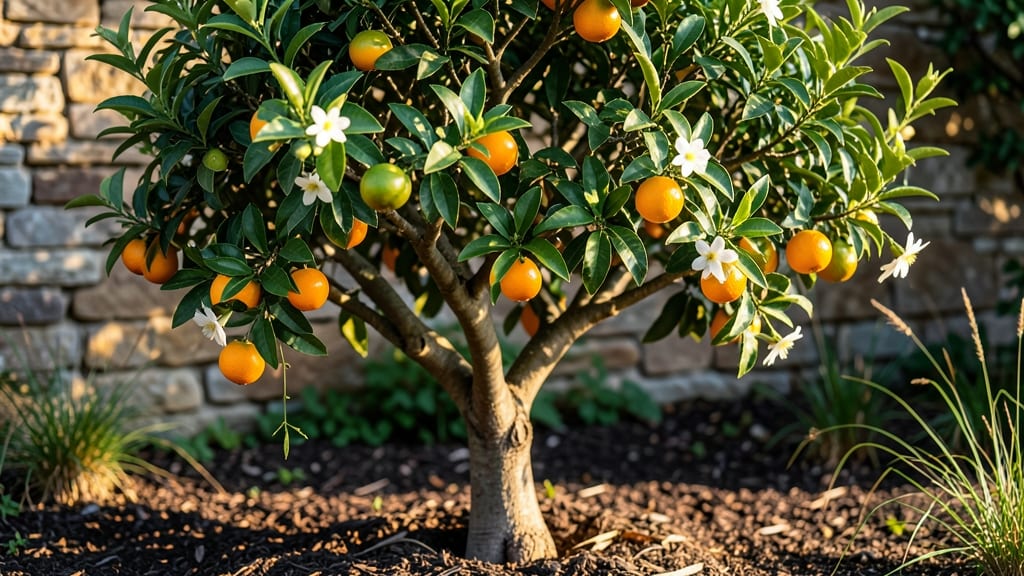
Planting orange flowers transforms any garden into a sun-drenched escape. 🌻 The secret lies in choosing the right variety—marigolds burst with color in just 6-8 weeks, while hibiscus and daylilies offer bold, fragrant blooms that last all season.
My first attempt with marigolds failed because I planted them too late, but once I got the timing right, the results were shockingly lush—bright orange blooms that attracted bees by the dozens.
The key to success starts with well-draining soil and full sun exposure. Most orange-flowering plants thrive in 6-8 hours of sunlight daily, and they appreciate a balanced fertilizer every 4-6 weeks during the growing season.
Overwatering is the biggest mistake—let the top inch of soil dry out between waterings, and you’ll avoid root rot and floppy stems. I’ve learned the hard way that consistency is everything.
By mid-summer, your garden will be a riot of color, with blooms that last from early summer through fall. The fragrance alone makes it worth the effort—marigolds have a warm, earthy scent, while hibiscus offers a sweet, tropical aroma.
Prune regularly to encourage more blooms, and watch as your garden becomes the envy of the neighborhood.
Whether you’re planting in beds, containers, or hanging baskets, these orange beauties adapt easily. Just remember: the earlier you plant, the longer your blooms will last.
Start seeds indoors 8-10 weeks before your last frost, and you’ll have a head start on the season. Let’s get those bright blooms growing!
📚 In This Guide
- What you need
- Instructions
- Tips and common mistakes
- Wrapping up and next steps
What you need
- ● Orange flower seeds (Citrus × aurantium or Osmanthus fragrans) – 5–10 seeds (for multiple plants or backup growth). Choose heirloom or fragrant varieties for the best scent.
- ● Seed-starting soil mix – 2–3 gallons (sterilized, well-draining blend with perlite or coconut coir). Avoid garden soil to prevent mold.
- ● Growing containers – 4–6 small pots (4–6 inches wide) with drainage holes or a seed tray with individual cells.
- ● Organic fertilizer – 1–2 cups of balanced 10-10-10 or fish emulsion (for nutrient boost after sprouting).
- ● Spray bottle – For gentle watering (avoid over-saturating seeds).
- ○ Clear plastic wrap or humidity dome – To create a mini greenhouse effect (optional but helpful for germination).
- ● Pruning shears – Small, sharp pair for trimming seedlings or dead leaves.
- ● pH testing kit – To check soil pH (ideal range: 6.0–7.0 for citrus/osmanthus).
- ● Sunlight access – A south-facing window, grow light, or outdoor spot with 6+ hours of indirect sunlight daily.
- ○ Watering can (with rose attachment) – For even moisture distribution (optional but convenient).
- ● Mulch (straw or bark chips) – 1–2 inches to retain soil moisture (once transplanted outdoors).
- ● Slow-release citrus-specific fertilizer (e.g., Espoma Citrus-Tone) for faster growth.
- ● Grow light (LED full-spectrum, 12–16 hours/day) if natural light is limited.
- ● Compost tea – Natural boost for soil microbes (mix 1 cup per gallon of water).
- ● Decorative pots – For transplanting once plants reach 6–8 inches tall.
Step-by-step guide to growing fragrant orange flowers
Here's how to cultivate vibrant, fragrant orange blooms from seed to full bloom.
🌱 Step 1: Select and Prepare Your Orange Flower Seedlings
Choose orange marigold (Tagetes) or orange snapdragon (Antirrhinum) seeds for their bold color and fragrance. I recommend starting with 4-6 seeds per pot to ensure strong growth. Soak seeds overnight in lukewarm water to soften the outer coating—this speeds up germination by 24-48 hours. Use a sterile seed-starting mix (never garden soil) in 3-inch pots to prevent damping-off disease.
Plant seeds ¼ inch deep—deeper planting delays germination because the seedling must push through extra soil. Cover lightly with additional mix and mist gently until the surface feels evenly damp. Place pots in a warm location (70-75°F) to encourage quick sprouting. You'll see first true leaves in 7-10 days—this is your signal to adjust care.
☀️ Step 2: Provide Optimal Light and Temperature for Growth
Move seedlings to a south-facing window or under grow lights (14-16 hours daily) immediately after germination. Without enough light, stems grow leggy (thin and stretched), which weakens the plant. I position my grow light 2-3 inches above seedlings and raise it as they grow to maintain that distance.
Keep temperatures between 65-75°F during the day and 55-65°F at night. If your home runs cooler, use a seedling heat mat to maintain warmth—this prevents stunted growth. Watch for yellowing leaves, which means either overwatering or low light. Adjust care based on what you see: dry soil needs water, pale stems need more light.
💧 Step 3: Water and Fertilize for Strong Blooms
Water when the top inch of soil feels dry—this prevents root rot while keeping moisture consistent. I use a spray bottle for seedlings to avoid disturbing the soil, then switch to bottom-watering (placing pots in a tray of water for 10 minutes) once they develop 3-4 true leaves. This encourages deep root growth, which supports heavier blooms.
Start fertilizing with a balanced liquid fertilizer (10-10-10) when seedlings are 4-6 inches tall. Dilute to half-strength and apply every 2 weeks. Over-fertilizing burns tender roots, so always water first to leach excess salts from the soil. You'll notice darker green leaves and sturdier stems within a week—this means the fertilizer is working.
✂️ Step 4: Prune and Support for Maximum Blooms
Pinch back the top set of leaves when seedlings reach 6 inches tall to encourage bushier growth. This redirects energy from vertical growth to side shoots, which produce more flowers. Remove any yellow or wilted leaves immediately—they drain nutrients and attract pests. I also deadhead spent blooms every 2-3 days to prolong flowering and prevent seed formation.
Stake taller varieties like orange snapdragons with 3-foot bamboo stakes once they reach 12 inches. Tie stems loosely with soft garden twine to prevent breaking. For marigolds, a light trellis supports upright growth and improves air circulation, reducing fungal diseases. Watch for buds forming at the base—this confirms your pruning is working.
🌿 Step 5: Transition to Outdoor Conditions
Hardening off begins 2 weeks before your last frost date. Start by placing seedlings outside in a sheltered, shaded spot for 1 hour the first day, then gradually increase time by 1 hour daily. By day 7, they should tolerate full sun for 4-6 hours. This slow adjustment prevents transplant shock, which causes wilting or leaf drop.
Plant in well-draining soil with full sun (6+ hours daily). Space marigolds 12 inches apart and snapdragons 18 inches apart to allow airflow. Water deeply at the base after transplanting to settle roots. You'll see new growth within 7-10 days, signaling successful acclimation. Mulch with 1-2 inches of organic mulch to retain moisture and suppress weeds.
Tips & tricks for cultivating vibrant orange flowers
The secret to fragrant orange blooms lies in precise care during each growth stage. These small adjustments make all the difference between healthy seedlings and thriving plants.
Germination Strategy: The 24-48 hour soak isn't just about speed—it's about breaking seed dormancy. Use a clean spray bottle to mist seeds after planting, keeping the soil consistently damp but never soggy. I've found that placing pots in a clear plastic bag with small holes creates a humidity dome that speeds germination by another 12 hours without risking rot. The key is maintaining that 70-75°F warmth consistently—any cooler and germination slows dramatically.
Light Management: Those 14-16 hours of grow light aren't arbitrary—they mimic summer daylight. If using natural light, rotate pots daily so all sides receive equal exposure. I noticed my seedlings developed leggy stems when positioned too close to the window—now I maintain that 2-3 inch distance religiously. For indoor grow lights, use a timer to automate the cycle and prevent over-lighting, which can scorch tender leaves.
Pruning Precision: When pinching back those top leaves at 6 inches, aim for just above a set of leaves where two leaves meet the stem. This creates a branching point that will produce 2-3 new side shoots. I've seen gardeners make the mistake of pinching too low—always leave at least 2 sets of leaves below your cut. For snapdragons, I also recommend removing the first few flowers that form to encourage stronger lower growth.
Hardening Off: The gradual 1-hour daily increase is critical—don't rush this process. On cloudy days, reduce exposure time by half to prevent stress. I've learned to watch for subtle signs: if leaves show slight curling but bounce back when moved indoors, the plant is adjusting well. By day 7, if you see no wilting during the full 4-6 hours of sun, your plants are ready for permanent outdoor placement.
Pro Tips for Plant Orange Flower
- The secret to fragrant orange blooms lies in precise care during each growth stage.
- Germination Strategy: The 24-48 hour soak isn't just about speed—it's about breaking seed dormancy.
- Light Management: Those 14-16 hours of grow light aren't arbitrary—they mimic summer daylight.
Frequently asked questions
about growing your own plant orange flower (like Marigold or Calendula) are common—here’s what you need to know!How do I know if my orange flower seeds are viable?
Test viability by placing a few seeds in a glass of water. If they sink and stay submerged, they’re likely good! For extra peace of mind, plant a few extra seeds—most varieties have a high germination rate (70-90%) when fresh. Pro tip: Store seeds in a cool, dry place to extend their lifespan.
Can I grow orange flowers indoors?
Yes! Choose compact varieties like French Marigolds or Calendula and place them near a sunny window (6+ hours of light daily). Supplement with a grow light if needed. Use well-draining pots (6+ inches deep) and keep soil consistently moist. Just avoid drafts—orange flowers thrive in warmth (65–75°F).
Why aren’t my orange flowers attracting pollinators?
Pollinators love bright blooms! Ensure your plants are healthy, pesticide-free, and in full sun. Add a shallow water source nearby (like a birdbath) and plant companion flowers (e.g., Basil or Dill) to boost their appeal. Bonus: Deadhead spent blooms to encourage more flowers!
What’s the best alternative if my orange flowers wilt quickly?
Try Zinnia or Cosmos—they’re drought-tolerant and bloom prolifically. For heat resistance, opt for Mexican Sunflower (Tithonia). If wilting persists, check for overwatering (orange flowers hate soggy roots) or pests like aphids. Adjust care and monitor progress!
How do I overwinter orange flower plants?
Most orange flowers are annuals, but Calendula can survive mild winters. Cut back dead foliage, mulch heavily, and move pots to a sheltered spot. In freezing climates, dig up tubers (like Calendula) and store them in dry peat moss until spring. Tip: Start new seeds indoors in late winter for next year’s blooms!
Wrapping up and next steps
Growing your own plant orange flower is a rewarding journey that fills your space with vibrant blooms and intoxicating fragrance in just 6-8 weeks! With the right soil, sunlight, and care, you’ll enjoy lush, fragrant flowers that brighten any garden or home.
Whether you’re a beginner or a seasoned gardener, this easy recipe makes it simple to cultivate beauty effortlessly.
Ready to take the next step? Start planting today—your future orange blossoms (and their sweet scent!) will thank you. 🌸✨ Happy gardening!