
Planting
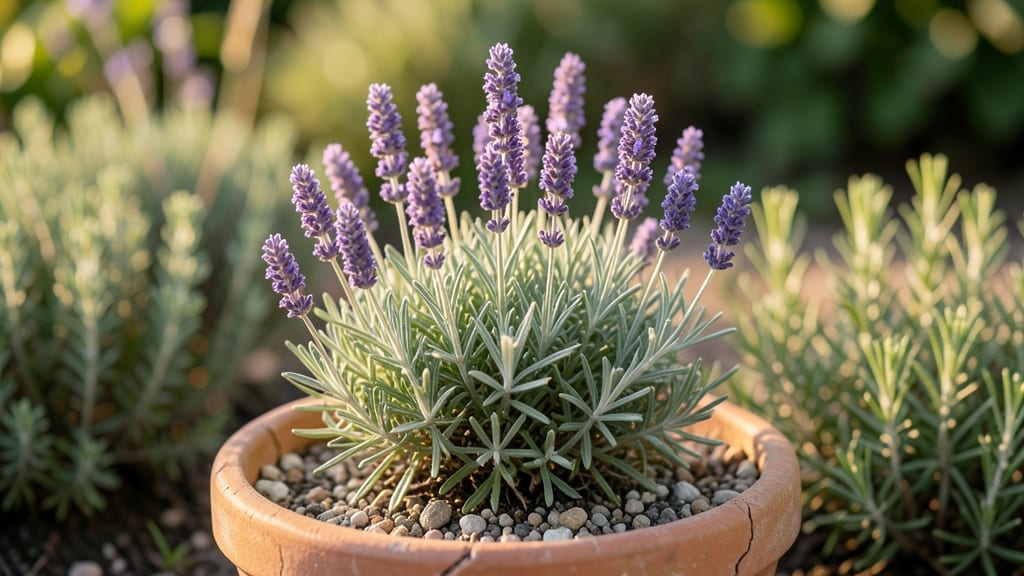
Identifying plant purple flowers in your garden just got easier—no more guessing games. 🌸 That lavender-blue bloom could be catmint, clematis, or wisteria, and each needs different care.
This guide cuts through the confusion with quick traits: leaf shape, flower clusters, and growth habits that set them apart. Most gardeners trip up on lavender vs. catmint (one’s fuzzy, one’s smooth) or forget whether that climbing vine is morning glory or passionflower.
I’ll show you the telltale signs—like clematis’ leafy vines or iris’ sword-like foliage—so you can name that purple mystery in seconds. No botany degree required. By the end, you’ll spot annuals (like pansies) from perennials (like bearded iris) and know which thrive in your zone.
Pro tip: Snap a photo and use apps like PlantNet or iNaturalist to double-check—your garden’s purple palette will never confuse you again. Whether you’re designing a color scheme or troubleshooting a new plant, this works for containers, borders, and wild patches. Let’s decode those blooms!
The Science Behind Purple Blooms
Purple flowers aren’t just a stunning pop of color—they’re the result of fascinating biological processes! Whether you’re admiring a lavender petunia or a deep violet iris, the hue is never random. Below, we break down the key reasons why plants produce purple flowers, from genetic quirks to environmental triggers.
Purple flowers owe their vibrancy to anthocyanins, water-soluble pigments that also give blueberries and red cabbage their color.
These pigments are produced through a complex interplay of genes, primarily involving: - Flavonoid Pathway: Anthocyanins are synthesized from flavonoids, which are influenced by enzymes like anthocyanidin synthase (ANS) and DFR (dihydroflavonol 4-reductase).
Mutations or variations in these genes can shift colors from red to purple to blue. - pH Levels in Petals: The acidity (or alkalinity) of flower cell sap affects anthocyanin structure.
In acidic environments (low pH), anthocyanins appear red; in neutral or slightly alkaline conditions (higher pH), they lean purple or blue.
For example, hydrangeas change color based on soil pH! - Copigmentation: Purple hues often deepen when anthocyanins bind with other flavonoids or metals (like aluminum), creating a more intense color. This is why some purple flowers darken as they age.
Pro Tip: 🌡️ If your purple flowers are fading to pink or lavender, check your soil’s pH—it might be too acidic!
Light isn’t just fuel for photosynthesis—it’s a color conductor for flowers. Here’s how it influences purple blooms: - UV Light Activation: Some anthocyanins are UV-sensitive, meaning they intensify under direct sunlight.
Plants like cleome or salvia often develop richer purples when exposed to full sun. - Cooler Temperatures: Many purple flowers (e.g., lupines or delphiniums) thrive in cooler climates. Chilly nights can boost anthocyanin production, leading to deeper hues.
Conversely, extreme heat may cause flowers to bleach or revert to lighter shades. - Shade Adaptations: In low-light conditions, plants may produce fewer anthocyanins, resulting in paler purples. If your indoor African violets are losing their vibrancy, move them to a brighter spot—but avoid harsh afternoon sun.
Warning: ⚠️ Overheating (e.g., from greenhouse glass) can break down anthocyanins, turning purple flowers into dull, washed-out versions.
Hydration and soil health play a surprising role in flower color. Here’s how: - Water Stress: Mild water stress can concentrate anthocyanins, making purples more vivid (think of a wisteria vine in drought conditions).
However, overwatering dilutes pigments, leading to faded blooms. - Nitrogen Imbalance: Too much nitrogen (a common fertilizer mistake) can suppress anthocyanin production, causing purples to turn greenish or pale.
Instead, opt for a balanced fertilizer (e.g., 10-10-10) or one rich in phosphorus (like 5-10-10) to encourage flowering. - Magnesium and Calcium: These minerals help regulate pH and enzyme activity in the flavonoid pathway.
A magnesium deficiency (yellowing leaves) or calcium deficiency (blossom end rot in tomatoes) can indirectly dull flower colors.
Quick Fix: 💡 Flush your soil with water to prevent salt buildup from fertilizers, which can inhibit pigment production.
Not all purple flowers start out the same color—and some change as they mature: - Bud to Bloom Transition: Many flowers (like petunias) begin as green or white buds before developing purple pigments as they open.
This is because anthocyanins are light-activated and only fully synthesize once the flower is exposed to sunlight. - Senescence (Aging): As flowers age, anthocyanins can break down, causing purples to fade to pink or brown.
This is natural but can be slowed by deadheading (removing spent blooms) to encourage new growth. - Hybridization Effects: Many cultivated purple flowers (e.g., orchids or roses) are hybrids bred for specific pigment traits.
Some may revert to ancestral colors (like red or white) if grown from seed rather than propagated vegetatively.
Fun Fact: 🎨 The purple coneflower (Echinacea purpurea) gets its name from its mature purple blooms—but its buds are often greenish-white!
When plants are under attack or stressed, they sometimes overproduce anthocyanins as a defense mechanism: - Fungal or Bacterial Infections: Some pathogens trigger oxidative stress, prompting the plant to flood its tissues with anthocyanins to neutralize free radicals.
This can create dark, almost blackish purples (common in infected begonias). - Herbivore Damage: Chewed leaves or stems can signal the plant to ramp up pigment production in remaining flowers, making them appear unusually deep purple as a deterrent. - Heavy Metal Exposure: Plants growing in soil with high aluminum or copper levels may develop metallic purples due to altered anthocyanin structures.
This is why some blueberry bushes turn an almost violet hue in contaminated soil.
Caution: ⚠️ If your plant’s purples look moldy or slimy, it’s likely a disease—not a natural pigment shift. Treat with neem oil or a copper fungicide.
Quick fixes for flower ID struggles
Struggling to identify those stunning purple blooms in your garden? Don’t worry—even seasoned gardeners sometimes need a little help. Below, we’ve mapped out practical solutions for common challenges, whether you’re dealing with unfamiliar foliage, color confusion, or growing conditions that make identification tricky.
Each fix comes with prevention tips to keep your plant ID game sharp!
Sometimes, a plant’s leaves or stems scream "I know this one!" but the purple flowers throw you off. Here’s how to troubleshoot:
🌿 Step 1: Check the Leaf Shape and Arrangement
Start by comparing the leaves to known varieties. For example:
- Lavender: Narrow, gray-green leaves in opposite pairs.
- Petunia: Smooth, oval leaves with serrated edges.
- Salvia: Rough, textured leaves with a square stem.
💡 Pro Tip: Snap a photo of the entire plant, not just the flowers. Apps like PlantNet or Google Lens can cross-reference leaves + blooms for a match.
🌸 Step 2: Observe Flower Structure
Purple flowers can vary wildly—some are trumpet-shaped (like Datura), while others are clustered (like Cleome). Note:
- Number of petals (e.g., 4 petals = likely a Mallow family plant).
- Presence of a throat or spurs (common in Snapdragons or Columbines).
- Do the flowers grow singly or in clusters?
🌱 Step 3: Dig Into the Roots (Literally)
If the plant is young, gently uproot it (or ask the seller for a sample) to check:
- Bulbs (e.g., Crocus, Hyacinth).
- Rhizomes (e.g., Iris, Hosta).
- Tubers (e.g., Dahlia, Sweet Potato Vine).
🔥 Fix: Compare your findings to a field guide or online database like iNaturalist.
🛡️ Prevention Tip:
Keep a plant journal with sketches or photos of new additions. Label them with purchase dates, light conditions, and soil type—this makes future ID a breeze!
Some plants look purple but are actually a mix—think lavender-blue or purple-streaked leaves. Here’s how to decode them:
🖌️ Step 1: Use a Color Wheel
Purple is a secondary color (red + blue). If your flower leans:
- Reddish-purple → Likely a Tulip, Lily, or Canna Lily.
- Blush-purple → Could be a Phlox or Sweet William.
- Deep violet → Check for Orchids or Petunias.
🌡️ Step 2: Test for Color Shifts
Some flowers change hue based on sunlight or age. For example:
- Morning Glory blooms are deep purple in the sun but fade to lavender in shade.
- Wisteria starts pale purple and darkens as it matures.
💡 Pro Tip: Take photos at different times of day to catch color variations.
🔍 Step 3: Cross-Reference with Pollinators
Bees and butterflies love certain flowers. If you spot:
- Butterflies → Likely Buddleia (Butterfly Bush) or Lantana.
- Hummingbirds → Could be Salvia or Fuchsia.
🛡️ Prevention Tip:
Grow a reference plant (like Lavender or Petunias) nearby to compare colors and shapes directly.
If your purple-flowering plant refuses to bloom—or produces smaller, paler, or deformed flowers—it’s often a care issue. Fix these common culprits:
☀️ Too Much (or Too Little) Sun
Most purple bloomers need 6+ hours of sunlight, but some (like African Violets) prefer shade.
- 🔥 Fix: Move the plant to a sunnier spot (e.g., South-facing window) or provide artificial grow lights.
- 🌡️ Fix: If it’s too hot, provide afternoon shade.
💧 Overwatering or Underwatering
Purple flowers often wilt or drop buds if stressed by water.
- 🔥 Fix: Let the top 1-2 inches of soil dry out between waterings.
- 💧 Fix: Ensure pots have drainage holes to prevent root rot.
🌿 Nutrient Deficiencies
Yellowing leaves or small blooms can signal a lack of phosphorus (key for flowers).
- 🔥 Fix: Use a balanced fertilizer (10-10-10) or a phosphorus-rich one like 5-10-5.
- 🎯 Fix: Add compost or bone meal to the soil.
🛡️ Prevention Tips:
Rotate plants quarter-turns every few weeks for even sun exposure. Deadhead spent blooms to encourage new growth.
Still stumped? Try these free tools:
- Plant Identification Apps: PictureThis, PlantSnap, or LeafSnap (upload photos for AI analysis).
- Local Gardening Groups: Post on Facebook Marketplace or Reddit’s r
Frequently asked questions
What’s the easiest way to tell lavender apart from catmint?
Look at the leaves and stems! Lavender has narrow, fuzzy gray-green leaves in opposite pairs, while catmint has smooth, lance-shaped leaves with a square stem. Catmint also blooms later and often has a more spiky flower cluster than lavender’s rounded heads.
Can I use a phone app to identify purple flowers?
Apps like PlantNet, PictureThis, or iNaturalist let you upload photos for instant ID. For best results, snap clear shots of both flowers and leaves in natural light. Pro tip: Include a coin for scale to help the app gauge size.
Why do some purple flowers fade to pink in the shade?
Anthocyanins (the pigments responsible for purple) need sunlight to fully develop. In shade, they produce less pigment, shifting toward pink or lavender. Move sun-loving plants like cleome or salvia to brighter spots, but shade-tolerant varieties (like African violets) will naturally stay softer.
Are all purple flowers perennials, or are there annuals too?
Both! Annuals like pansies and petunias bloom vibrant purple but die after one season. Perennials (e.g., bearded iris or coneflower) return yearly. Check your hardiness zone—some annuals (like cleome) self-seed, while perennials may need winter protection in cold climates.
How do I know if my purple blooms are healthy or diseased?
Healthy flowers should have vibrant, even color without spots or wilting. Watch for dark streaks (fungus), sticky residue (aphids), or yellowing leaves (nutrient issues). If you spot mold or slimy stems, treat with neem oil—but if the purple turns black or mushy, it’s likely a bacterial infection.