
Planting
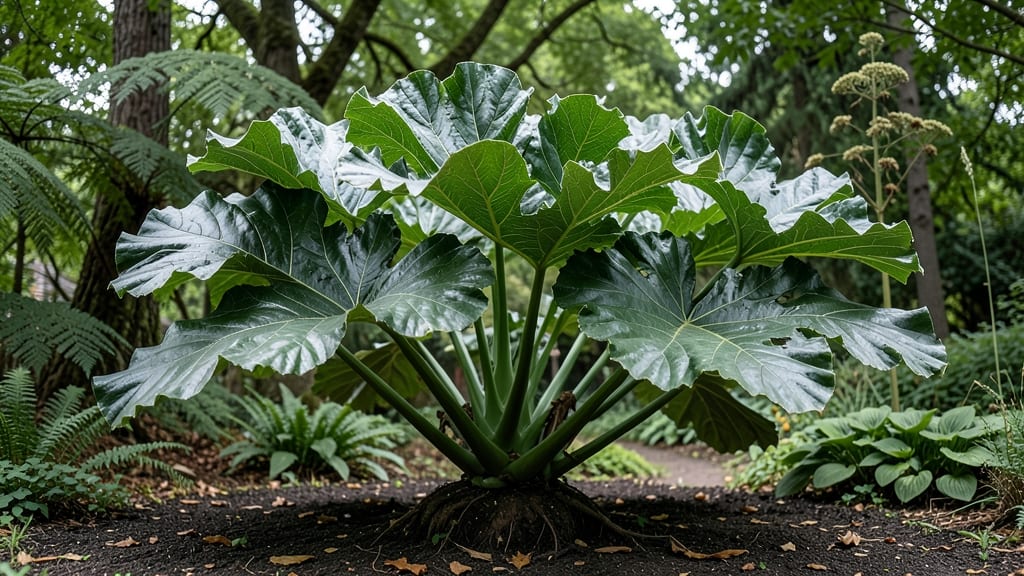
This plant that looks like giant rhubarb—like Gunnera manicata—turns your garden into a dramatic statement piece with those massive, heart-shaped leaves, though their edible stems are the real star. 🌿 I first spotted one in a friend’s backyard and instantly fell for its bold, almost prehistoric look, but it’s not just about aesthetics: the young shoots taste like a cross between celery and rhubarb, with a crisp, tangy bite that’s perfect for foraging or adding to salads.
The secret to growing these giants? Rich, moist soil and plenty of space—they can spread up to 10 feet wide if left unchecked.
Unlike true rhubarb (Rheum), which thrives in cooler climates, Gunnera loves humidity and partial shade, making it a standout for woodland gardens or rainy regions.
Just be prepared for their size: a mature plant can reach 6 feet tall, so plan accordingly if your space is limited.
You’ll harvest tender shoots in early spring before the leaves unfurl, and with proper care, the same plant can produce for decades. The challenge? Keeping them from flopping over in wind or outcompeting nearby plants.
A sturdy stake or two solves that, and once established, they’re surprisingly low-maintenance—just water deeply during dry spells and watch them thrive.
Perfect for adventurous gardeners who love dramatic foliage and edible surprises. Whether you’re foraging for wild flavors or just chasing that "jungle garden" vibe, this plant delivers—just don’t expect it to behave like your average rhubarb. Let’s dig into the details!
Root Causes Of That Towering Growth
If your garden is suddenly hosting a plant that resembles giant rhubarb—with its striking, thick, edible stems—you’re likely dealing with a few key botanical triggers. While some of these plants thrive naturally, others may pop up unexpectedly due to environmental or human factors.
Let’s break down why these bold, stem-heavy plants show up where they do.
Some plants that mimic rhubarb’s robust stems (like Gunnera manicata, arum maculatum, or skunk cabbage) are aggressive spreaders in their native ecosystems. These species evolved to dominate wet, shaded, or nutrient-rich soils, where they outcompete other flora.
If your garden mirrors their ideal conditions—think moist, loamy soil with partial shade—you’ll see them flourish. Actionable tip: If you’re foraging or planting intentionally, research the species’ native range to predict where they’ll thrive in your climate.
Plants like giant rhubarb lookalikes often spread via underground rhizomes or wind-dispersed seeds.
A single fragment of a rhizome left in the soil can regenerate into a full plant, while seeds from neighboring gardens (or even wild patches) can hitchhike via birds, water, or gardening tools. Example: Gunnera (the "dinosaur plant") spreads rapidly via rhizomes, while arum lilies rely on seed dispersal. Prevention tip: Inspect soil and tools for stray rhizome pieces before replanting, and avoid composting plant debris from unknown species.
These plants crave rich, well-draining soil with high organic matter. If your garden has:
- Decaying leaf litter (common in wooded areas)
- Compost-heavy amendments (like manure or worm castings)
- Consistent moisture (but not waterlogging)
Sometimes, these plants arrive via well-meaning (but misinformed) gardening choices. Foragers might plant a single arum maculatum (lords-and-ladies) for its striking flowers, only to watch it multiply.
Others accidentally introduce them through contaminated mulch or topsoil purchased from nurseries. Red flag: If you’ve recently added bulk soil or compost, check for hidden rhizomes or seeds. Pro tip: Buy certified organic or locally sourced soil to minimize risks.
Temperature and rainfall play a huge role. Many rhubarb-like plants (e.g., skunk cabbage) thrive in cool, damp springs and humid summers. If your region has:
- Mild winters (no hard freeze)
- High humidity
- Frequent rain
Understanding these causes helps you manage—or even harness—their growth. Whether you’re dealing with an invasive spread or a deliberate forage garden, knowing the "why" puts you in control. 🌿
Quick Fixes for Overgrown Edible Stems
If your bold, rhubarb-like plants have spiraled out of control—whether from aggressive growth, pest pressure, or sheer enthusiasm—don’t panic! With a few targeted strategies, you can restore balance to your foraging garden while keeping those lush, edible stems thriving.
Below, we’ve mapped common issues to practical, step-by-step solutions, plus prevention tips to avoid future headaches.
Cause: Some edible stems (like gunnera, skirret, or giant rhubarb lookalikes) multiply rapidly via rhizomes or self-seeding, crowding out other plants. Fix:
- 🔪 Prune Strategically
- Cut back 1/3 of the oldest stems in early spring to redirect energy to newer, healthier growth. Use clean, sharp shears to avoid disease.
- For rhizomatous plants (like skirret), dig up pups (small offshoots) and replant them in a separate bed if you want to expand.
- 🌿 Contain the Spread
- Bury rhizomes in deep trenches (12+ inches) lined with landscape fabric to block underground expansion.
- Use wide, shallow pots (18"+ diameter) for container gardening—just ensure they’re drainage-friendly to prevent rot.
- 🌡️ Adjust Watering
- Overwatering fuels rapid growth. Let the soil dry slightly between waterings (except during harvest season).
💡 Pro Tip: If your plant is too vigorous for its space, consider harvesting more frequently—the more you pick, the less it spreads!
Cause: Slugs, aphids, or fungal issues (like powdery mildew) can weaken your plants, making them look sad—or even inedible. Fix:
- 🍳 DIY Pest Barriers
- Slugs/Snails: Create a beer trap (bury a shallow dish filled with beer) or use copper tape around the base.
- Aphids: Spray with soapy water (1 tsp mild soap + 1 quart water) or introduce ladybugs.
- 🌡️ Improve Airflow
- Thin out overlapping leaves to reduce humidity (a fungal magnet). Aim for 3–4 inches of space between stems.
- 🔥 Rotate Harvesting Zones
- If disease persists, move plants to a new spot next season—don’t replant in the same area for 2+ years.
✨ Prevention: Mulch with straw (not wood chips) to deter slugs and retain moisture without suffocating roots.
Cause: Waiting too long to harvest or picking at the wrong time can turn tender stems tough and unpalatable. Fix:
- ⏰ Time Your Harvest
- Young stems (under 1/2 inch thick) are sweetest and most tender. Harvest when leaves are fully unfurled but stems are still pliable.
- Use a sharp knife—never pull—to avoid damaging the plant.
- 👨🍳 Cook Immediately or Preserve
- Raw stems can be mildly toxic (like rhubarb) if eaten in excess. Blanch and freeze or pickle extras to lock in flavor.
- 🌿 Leave Some for Regrowth
- Never cut more than 1/3 of the plant at once. Let 3–5 healthy stems remain to sustain photosynthesis.
🎯 Golden Rule: If stems feel hard like celery, you’ve waited too long—next time, harvest 2 weeks earlier!
Cause: Your plant might be too hungry, too cold, or in the wrong soil for optimal growth. Fix:
- 📊 Test Your Soil
- Ideal pH: 6.0–7.0 (slightly acidic to neutral). Amend with compost or peat moss if needed.
- Fertilize lightly in spring with balanced 10-10-10—too much nitrogen = leafy growth, fewer edible stems.
- 🌡️ Protect from Extremes
- Cold-hardy varieties? Mulch with straw or leaves in winter.
- Tender stems? Grow in containers and bring indoors if frost is forecast.
- 🌿 Choose the Right Spot
- Partial shade (3–6 hours of sun) works best for giant rhubarb lookalikes—too much sun = bitter stems.
💡 Quick Fix Table:
| Problem | Solution | Prevention |
|---|---|---|
| Yellow leaves | Check for overwatering or nutrient deficiency (add iron if needed). | Water at soil level, not leaves. |
| Blackened stems | Fungal rot? Reduce watering and improve drainage. | Use raised beds if soil is clay-heavy. |
| No new growth | Too cold? Move to a sunnier, warmer spot. | Plant in spring (after last frost). |
Final Thought: Most issues with bold edible stems come down to timing, space, and soil. By pruning early, monitoring pests, and harvesting wisely, your "giant rhubarb" plants will stay lush, productive, and ready for your kitchen—without taking over your garden! 🍴✨
Frequently asked questions
What’s the difference between giant rhubarb and true rhubarb?
Gunnera manicata (giant rhubarb) has massive, heart-shaped leaves and edible stems that taste like a mix of celery and rhubarb, while true rhubarb (Rheum) has thinner leaves and tart, tangy stalks. Giant rhubarb thrives in humidity and partial shade, while true rhubarb prefers cooler, sunnier climates.
Can I grow giant rhubarb in containers?
Yes! Use a 18-inch-wide pot with drainage holes and rich, moist soil. Place it in partial shade and water deeply 2-3 times per week. Just be ready for its rapid growth—it can spread 10 feet wide if unchecked.
How do I harvest giant rhubarb stems safely?
Cut stems at the base with a sharp knife when they’re young and tender (under ½ inch thick). Leave 3-5 healthy stems to keep the plant growing. Harvest in early spring before leaves unfurl for the best flavor.
Are giant rhubarb leaves edible?
No, the leaves contain oxalates and can be toxic if eaten raw. Only the young stems are safe to eat—cook them like rhubarb or use them raw in salads in moderation.
Why is my giant rhubarb plant flopping over?
Its massive leaves need support! Use stakes or a trellis to prop up the stems. Plant in well-draining soil and avoid overwatering, which can cause weak growth. A windbreak also helps in exposed areas.