
Planting
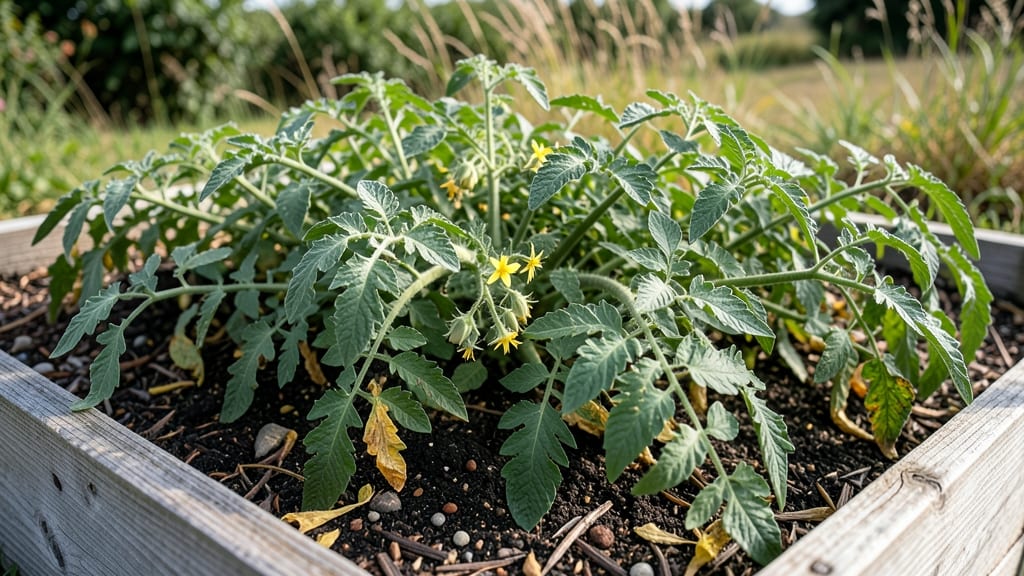
Plants too close together don't just compete for sunlight—they invite pests, diseases, and stunted growth that ruin your garden dreams. 🌱 I've seen overcrowded beds turn into fungal hotspots where nothing thrives, but there's a better way: strategic spacing that actually makes plants bushier and more productive.
The fix starts with knowing your plants' mature sizes. Herbs like thyme and oregano can huddle in 6-inch circles, while tomatoes need 18-24 inches of elbow room. Prune back crowded stems now to encourage branching, and save the most aggressive transplants for next year's layout.
You'll end up with plants that fill their space beautifully, not just survive. Air circulates properly, roots get the nutrients they need, and you avoid the heartbreak of blight or spider mites taking over. The key is planning now—before next season's planting frenzy.
For existing beds, mark spacing with sticks or string before you dig. This method works for everything from veggie patches to flower borders, and once you see the difference, you'll never crowd again.
📚 In This Guide
- What you need
- Instructions
- Tips and common mistakes
- Wrapping up and next steps
What you need
- ● Measuring tape or ruler – For precise spacing (12–24 inches is ideal for most plants).
- ● Pruning shears or sharp scissors – To trim overcrowded stems and encourage branching.
- ○ Gloves (optional but recommended) – Protects hands from thorns, dirt, or sap.
- ● Small hand trowel or transplanting knife – For gently separating roots if needed.
- ● Watering can or hose with a gentle nozzle – To hydrate plants post-pruning.
- ● Mulch (straw, wood chips, or compost) – 2–3 inches to retain moisture and suppress weeds.
- ● Plant supports (stakes, trellises, or cages) – For vining plants to grow upward and save space.
- ● Fertilizer (balanced or slow-release) – To nourish plants after pruning (follow package instructions).
- ● Plant markers or labels – To track varieties and spacing needs.
- ● Hose-end spray nozzle – For gentle watering after transplanting.
- ● Organic growth stimulator (seaweed extract, etc.) – Boosts recovery post-pruning.
- ● Knee pad or small stool – For comfort while working in tight spaces.
How to space plants properly for bushier, healthier growth
Crowded plants struggle—here’s how to give them room to thrive without wasting space.
🌱 Step 1: Assess Current Plant Spacing and Identify the Problem
Start by kneeling down and visually scanning your garden beds. Look for stems touching, leaves brushing against neighbors, or plants leaning toward each other for light. These are clear signs they’re too close. I like to use my fingers to measure gaps—if I can’t fit two fingers between plants, they’re competing for nutrients and air circulation.
Check the plant tags or your records for the recommended mature spacing. Many herbaceous plants need 12-18 inches between them, while shrubs often require 2-3 feet. If you’re unsure, observe how the plants naturally spread—healthy growth means they’re reaching their genetic potential without crowding.
✂️ Step 2: Prune or Thin Overcrowded Areas
For established plants that are already too close, pruning is your first tool. Use clean, sharp pruners to trim back the largest stems, focusing on the ones that are most crowded. Cut just above a leaf node or outward-facing bud to encourage bushier regrowth. I always prune on a dry day when the plants are well-watered—this helps them recover faster.
If pruning isn’t enough, it’s time to thin. Gently dig up the smallest or weakest plants and transplant them to another area. Be careful not to disturb the roots of the remaining plants—use a small shovel or your hands to lift them carefully. Replant the thinned plants in their new location immediately to minimize transplant shock.
🪴 Step 3: Replant with Proper Spacing Guidelines
Before replanting, prepare the soil by loosening it with a garden fork or trowel to improve drainage and root penetration. Dig holes just deep enough to accommodate the root ball without burying the plant too deeply. The top of the root ball should sit 1-2 inches below the soil line—this ensures stability while preventing rot.
Use a measuring tape or ruler to mark the correct spacing between plants. For example, if your herbs need 12 inches apart, measure from the center of one plant to the next. Place each plant in its hole, firm the soil gently around the roots, and water deeply to settle everything. This step is critical—skipping it leads to future crowding and poor growth.
☀️ Step 4: Optimize Layout for Future Growth
Think ahead about how your plants will mature. Place taller plants toward the back or center of the bed, and shorter varieties toward the front or edges. This creates a natural tiered effect that maximizes space and sunlight exposure. I often sketch a rough layout on paper first—it’s surprising how much difference a few inches here or there can make.
Leave 6-12 inches of walking space between rows or clusters of plants. This allows you to move around easily for maintenance without disturbing the roots. Over time, you’ll notice your plants grow fuller and healthier because they’re no longer competing for resources. Mulch around the base to retain moisture and suppress weeds, which will further reduce the need for thinning.
💧 Step 5: Monitor and Adjust Over Time
After replanting, keep an eye on your garden over the next few weeks. Water deeply but less frequently to encourage deeper root growth, which helps plants establish themselves in their new spacing. If you notice new shoots or volunteers popping up in crowded areas, remove them promptly—they’ll only compete with your established plants.
Every season, reassess your spacing. Plants grow differently depending on sunlight, soil quality, and water availability. If you see signs of stress—yellowing leaves, stunted growth, or increased pest activity—it’s time to adjust again. Proper spacing isn’t a one-time fix; it’s an ongoing practice that pays off with stronger, more productive plants.
Tips & tricks for perfect plant spacing
Between us, proper spacing isn't just about aesthetics—it's the difference between plants that thrive and ones that struggle. Here's what I've learned after years of trial and error in my own garden.
Visual Cues Matter: In Step 1, when you're assessing spacing, look for the "two-finger test"—if you can't fit two fingers between stems, they're too close. This simple check saves me from overcrowding mistakes. Also watch for leaves touching or plants leaning toward light sources—these are clear signs they're competing for resources.
Pruning Technique: When pruning in Step 2, focus on the largest stems first—they're the ones causing the most crowding. Cut just above a leaf node or outward-facing bud to encourage bushier regrowth. I've found that pruning on dry days helps plants recover faster, so mark your calendar for those sunny but not humid mornings.
Soil Prep Secret: Before replanting in Step 3, don't just dig holes—loosen the soil thoroughly with a garden fork. This improves drainage and root penetration, which is especially important for plants that need 12-18 inches of space. I like to add a handful of compost to each hole to give the roots a nutrient boost right from the start.
Layout Planning: In Step 4, take 10 minutes to sketch your layout before planting. This helps visualize how plants will mature and ensures taller varieties get proper sunlight. I've saved myself so much frustration by planning ahead—it's amazing how much difference a simple sketch can make in maximizing your garden space.
Pro Tips for Plants Too Close Together
- Between us, proper spacing isn't just about aesthetics—it's the difference between plants that thrive and ones that struggle.
- Visual Cues Matter: In Step 1, when you're assessing spacing, look for the "two-finger test"—if you can't fit two fingers between stems, they're too close.
- Pruning Technique: When pruning in Step 2, focus on the largest stems first—they're the ones causing the most crowding.
Frequently asked questions
Got questions about cramped plants and how to fix them? You’re not alone!
Here are some of the most common concerns—and quick, actionable answers to keep your garden thriving without the chaos.
Why are my plants growing weird when they’re too close?
Overcrowded plants compete for light, water, and nutrients, leading to stunted growth, yellowing leaves, or even disease. Roots tangle, stressing plants and making them vulnerable to pests. Think of it like a crowded subway—everyone’s miserable!
How soon can I expect to see improvements after spacing them out?
Most plants show signs of relief within 2–4 weeks—new leaves, taller stems, or fuller blooms. Fast growers (like herbs or annuals) may bounce back in 1–2 weeks, while woody plants (trees/shrubs) take 3–6 months to adjust. Patience is key!
What if I don’t have enough space to spread them out?
No room? No problem! Try vertical gardening (trellises, hanging pots), container gardening, or pruning to encourage bushier growth. For veggies, harvest outer leaves first to free up space. Even a small balcony can work with the right tricks!
My plants are already crowded—how do I fix it without killing them?
Start by thinning (gently pull or cut) the weakest plants, leaving the healthiest. Water deeply before and after to reduce shock. For root-bound plants, loosen soil around roots before transplanting. Mulch afterward to retain moisture and calm stressed plants.
Does spacing plants affect pollination or fruit production?
Crowded plants can’t pollinate well, leading to fewer fruits, veggies, or flowers. Give pollinator-friendly plants (tomatoes, peppers, squash) extra space (12–36 inches apart) to ensure bees and wind can do their job. Happy pollinators = happy harvest!
Wrapping up and next steps
Giving your plants the perfect amount of space isn’t just about aesthetics—it’s the secret to healthier, bushier growth! 🌱 Whether you’re working with a small balcony, a crowded garden bed, or just love the look of lush foliage, spacing (or not spacing) plants strategically can make all the difference.
With the right tricks—like pruning, companion planting, or even vertical gardening—you’ll turn tight spaces into thriving green havens.
Ready to transform your garden? Start small: pick one technique from this guide and test it out this season. Before you know it, you’ll be the neighborhood expert on making every inch of space count! 🌿✨