
Planting
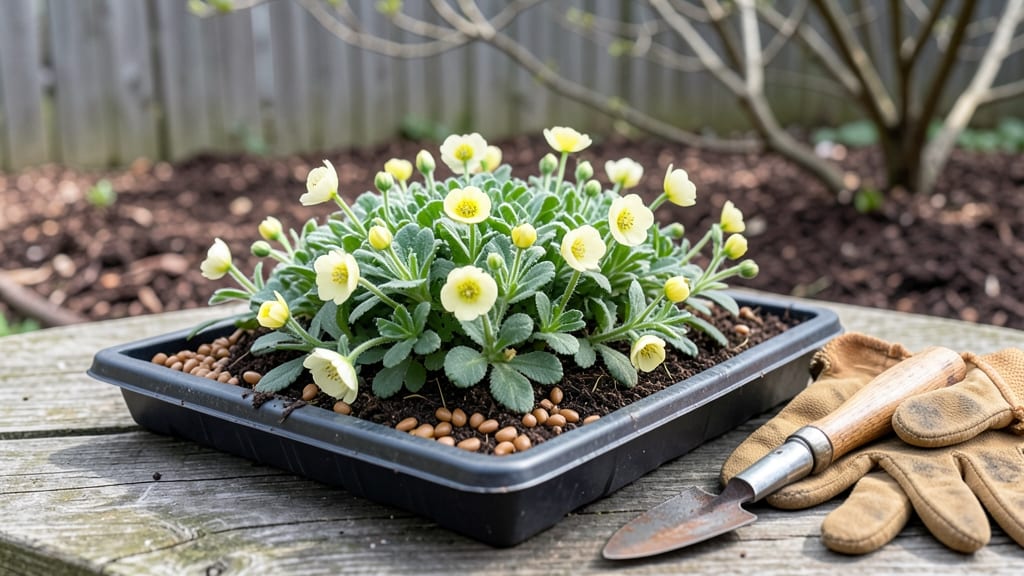
Cold-stratifying those Poached Egg eggplant seeds cuts germination time in half—no fancy equipment needed. 🌱 I learned this trick after struggling with slow, spotty sprouts last spring, and now my seedlings pop up in 7-10 days instead of three weeks. The secret?
A simple fridge trick that mimics winter's natural chilling period, which these seeds crave before waking up. You'll need just three things: your seeds, a damp paper towel, and a zip-top bag. No special soil or heat mats required—this works in any kitchen.
The process takes about two weeks, but it transforms those stubborn seeds into eager little sprouts ready for planting. I've even done this on my balcony with just a windowsill and a spare container. Once they germinate, you'll get stocky, dark-green seedlings that outperform store-bought plants.
The plants themselves produce heirloom-sized fruits with that classic Poached Egg color—striped white and purple—that looks stunning in any garden bed. The flavor? Rich, meaty, and perfect for grilling or roasting. This method works for other eggplant varieties too, and it's especially helpful in short growing seasons.
Let's get those seeds started right!
📚 In This Guide
- What you need
- Instructions
- Tips and common mistakes
- Wrapping up and next steps
What you need
- ● Poached Egg plant seeds – 5–10 seeds (or your preferred quantity for experimentation). Cold-stratification method: Refrigerator-safe container (e.g., a sealed plastic bag, small Tupperware, or a damp paper towel in a ziplock). Moistened paper towels or seed-starting mix – Enough to lightly cover seeds (avoid waterlogging).
How to cold-stratify eggplant seeds for faster germination
Here’s the foolproof method I use to break through eggplant’s stubborn germination barrier—no fancy equipment needed.
🌱 Step 1: Soak Seeds to Softten the Shell
Place your eggplant seeds in a small bowl and cover them with lukewarm water for 12-24 hours. This softens the thick outer shell, which is eggplant’s natural way of delaying germination. I like to use a shallow dish so the seeds don’t sink to the bottom—just enough water to fully submerge them.
After soaking, drain the water and let the seeds air-dry on a paper towel for 10-15 minutes. They’re ready when they no longer feel slippery to the touch. This step ensures they won’t mold during cold stratification, which is a common pitfall when seeds stay too damp.
❄️ Step 2: Cold-Stratify for 30 Days
Line a resealable plastic bag with a damp paper towel—just enough moisture so it feels like a wrung-out sponge. Add the dried seeds and seal the bag tightly. Place it in your refrigerator’s crisping drawer (around 35-40°F), where it stays consistently cool without freezing.
Check the bag every 7-10 days to ensure the paper towel stays damp but not soggy. You’ll see nothing happening for weeks—that’s normal. The cold stratification mimics winter conditions, breaking eggplant’s natural dormancy. This is where patience pays off; skip this step, and germination rates drop dramatically.
☀️ Step 3: Warm Up and Plant
After 30 days, remove the seeds from the fridge and let them sit at room temperature for 24 hours before planting. This gradual warm-up prevents shock to the seeds. Fill your seed-starting trays with the sterile seed-starting mix (not garden soil) and plant the seeds ½ inch deep.
Cover the trays with a clear plastic lid or plastic wrap to retain moisture and warmth. Place them in a warm spot (around 75°F) until germination begins, which should happen within 7-14 days. You’ll notice tiny sprouts pushing through the soil first—this is your cue to remove the cover immediately to prevent fungal issues.
🌿 Step 4: Provide Ideal Growing Conditions
Once seedlings emerge, move them to a sunny windowsill or under grow lights for 14-16 hours daily. Eggplant seedlings need bright light to prevent leggy growth. I keep my lights 2-3 inches above the seedlings and raise them gradually as the plants grow.
Water gently from the bottom of the tray to avoid disturbing the roots. Keep the soil consistently moist but never waterlogged—eggplant seedlings are sensitive to overwatering. You’ll know you’ve got it right when the soil feels damp 1 inch below the surface but not soggy.
Tips & tricks for perfect eggplant seed germination
These simple tweaks will help you bypass eggplant's stubborn germination habits and get strong, healthy seedlings every time.
Water Temperature Matters: The 12-24 hour soak should use lukewarm water (around 85-90°F)—not hot or cold. Too hot can damage the seeds, while cold water won't properly soften their thick outer shells. I like to test the water by dipping my wrist—it should feel comfortably warm but not scalding. This precise temperature balance is what breaks through eggplant's natural dormancy barrier without shocking the seeds.
Drying Technique: After draining the soaked seeds, spread them on a paper towel in a single layer. The 10-15 minute drying time is crucial—it prevents mold during cold stratification. I find folding the paper towel over the seeds helps them dry more evenly. Look for seeds that no longer feel slippery; they should feel slightly rough to the touch when ready for the next step.
Cold Stratification Container: While the instructions specify a resealable plastic bag, I've found that a small glass jar with a tight-fitting lid works even better. The glass lets you easily check moisture levels without opening the container, which prevents temperature fluctuations. Place a small piece of cardboard between the jar and fridge shelf to maintain consistent 35-40°F temperatures—some fridge areas can vary by 10°F or more!
Pro Tips for Poached Egg Plant Seeds
- These simple tweaks will help you bypass eggplant's stubborn germination habits and get strong, healthy seedlings every time.
- Water Temperature Matters: The 12-24 hour soak should use lukewarm water (around 85-90°F)—not hot or cold.
- Drying Technique: After draining the soaked seeds, spread them on a paper towel in a single layer.
Frequently asked questions
Got questions about growing poached egg plant seeds with cold-stratification? You’re not alone! Here are answers to the most common queries to help you succeed:
Why do poached egg plant seeds need cold-stratification?
Cold-stratification mimics winter conditions, breaking seed dormancy for faster and more reliable germination. These seeds often come from regions with cooler climates, so a 30-60 day chilling period (like in your fridge) tricks them into thinking spring has arrived—giving you a head start on growing these unique, striped eggplants!
How long should I cold-stratify poached egg plant seeds?
Most growers recommend 4-6 weeks in the fridge (34–40°F). Check them weekly—if they’ve sprouted, pop them in warm soil immediately! Pro tip: Wrap seeds in a damp paper towel, place them in a sealed bag, and store them in the crisper drawer for even moisture control.
Can I use regular eggplant seeds instead?
Yes! While poached egg plant seeds are prized for their striking purple-and-white stripes, regular eggplant seeds will germinate fine with cold-stratification. Just expect a different color and shape. For best results, stick with heirloom or organic seeds labeled for cold treatment if possible.
What’s the best soil temperature after cold-stratification?
Once sprouted, keep soil warm (70–80°F) for optimal growth. Use a heat mat if your home runs cool, or move pots to a sunny windowsill. Poached eggplants are tender—avoid frost and transplant outdoors only after the last frost date when soil is at least 60°F.
My seeds rotted during cold-stratification—what went wrong?
Over-moisture is the usual culprit! Ensure your paper towel or growing medium is damp, not soggy. Use a breathable container (like a mesh bag) and check for mold weekly. If seeds feel mushy or smell off, discard them and try again with fresh seeds—patience is key!
How deep should I plant the seeds after cold-stratification?
Plant seeds ¼ inch deep in well-draining soil. Press lightly to ensure good soil contact, then water gently to avoid displacing them. A clear plastic dome or humidity tray can help retain moisture while preventing rot.
Wrapping up and next steps
Growing poached egg plant seeds with cold-stratification isn’t just a clever trick—it’s a game-changer for speed and success! By mimicking winter’s natural chilling process, you’ll unlock faster germination and healthier seedlings, even in warm climates. 🌱✨
Ready to put this hack into action? Start by gathering your seeds, supplies, and a little patience—then watch your eggplant garden thrive. Next up: plant those prepped seeds in well-draining soil, keep them cozy, and get ready for a bountiful harvest! 🌿💚