
Planting
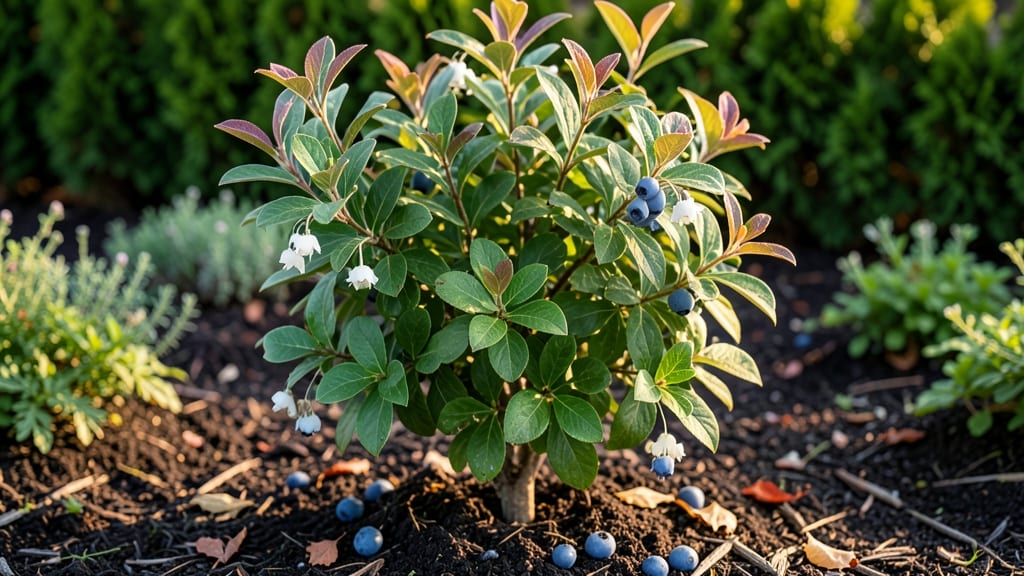
Growing Polaris blueberries in containers means summer berries even in cold climates. 🌱 I learned the hard way that these bushes thrive where others fail—my first harvest came from a plant that survived a -20°F winter in a pot.
The secret is their cold tolerance, but they still need the right soil, sunlight, and care to produce those sweet, deep-blue berries. You'll need acidic soil (pH 4.5–5.5), a container at least 18 inches deep, and a spot with 6+ hours of sun daily.
Polaris plants are self-pollinating, so you only need one bush for a harvest. The key is consistent moisture—never let the soil dry out completely, but don’t drown the roots either. Mulch helps retain moisture and protect roots in winter.
By midsummer, you’ll be picking berries that taste sweeter than store-bought, with fewer seeds and thicker skins. The plants keep producing for 20+ years if pruned properly—just remove dead wood in early spring and thin out crowded branches.
They handle container life better than most varieties, making them perfect for patios, decks, or small yards. Works in zones 3–7, but even in warmer areas, the cold-hardy nature means fewer pests and diseases. Here’s how to set yours up for success—no fancy equipment needed!
📚 In This Guide
- What you need
- Instructions
- Tips and common mistakes
- Wrapping up and next steps
What you need
- ● Polaris blueberry plant (bare-root or potted, Vaccinium corymbosum ‘Polaris’ variety)
- ● Container (5+ gallon pot with drainage holes; minimum 12 inches deep)
- ● High-quality potting mix (acidic, peat-based or coconut coir blend; pH 4.5–5.5)
- ● Slow-release fertilizer (acid-loving plant formula, 14-14-14 or 10-10-10)
- ● Organic mulch (pine bark fines or sphagnum peat moss, 2–3 inches thick)
- ● Watering can or hose with gentle spray nozzle
- ● pH testing kit (digital or liquid test strips)
- ● Trowel or small shovel for transplanting
- ● Gloves (to protect hands from acidic soil)
- ● Perlite or sand (for improving drainage, 10–20% mix)
- ● Drip irrigation system (for consistent moisture)
- ● Plant saucer or tray (to catch runoff)
- ● Sunny spot (6+ hours of full sun daily)
- ● Cold-hardy zone (USDA 3–6; Polaris thrives in chill!)
- ● Patience (blueberries take 2–3 years to bear fruit)
Step-by-Step guide to growing Polaris blueberries in containers
Here's how to cultivate these cold-hardy gems with minimal fuss—perfect for small spaces or cooler climates.
🪴 Step 1: Select the Right Container and Soil Mix
Choose a 5-gallon container (minimum) with drainage holes—blueberries need excellent drainage to prevent root rot. I prefer black plastic pots because they absorb heat and keep roots warmer in cooler climates. Avoid glazed containers, which trap moisture and encourage fungal growth.
Fill the pot with a well-draining, acidic soil mix (pH 4.5-5.5). A blend of 50% peat moss or coconut coir, 30% pine bark fines, and 20% perlite works perfectly. Mix in 1 cup of sulfur per bushel of soil to maintain acidity—blueberries refuse to thrive in alkaline soil. Wet the mix until it feels like a damp sponge but doesn’t drip.
🌱 Step 2: Plant Your Polaris Blueberry Bare Root or Container-Grown Plant
If planting bare-root, soak the roots in lukewarm water for 2 hours before handling. Position the plant so the root collar sits just above soil level—burying it too deep suffocates the plant. For container-grown plants, dig a hole twice as wide as the root ball and gently tease out any circling roots.
Backfill with soil, pressing lightly to remove air pockets. Water immediately until it drains freely from the bottom. Here’s the thing—blueberries hate soggy roots, but they also need consistent moisture. Aim for 1 inch of water per week, adjusting for rain. Mulch with 2 inches of pine needles to conserve moisture and slowly acidify the soil over time.
☀️ Step 3: Position for Sunlight and Temperature Needs
Polaris blueberries thrive in full sun (6-8 hours daily), but they tolerate partial shade in hotter climates. Place your container where it gets morning sun and afternoon shade if temperatures exceed 85°F. In cooler zones, south-facing exposure maximizes fruit production.
These plants handle USDA Zones 3-6, making them ideal for northern gardens. Protect young plants from late spring frosts with a frost cloth if temperatures dip below 28°F. Once established, Polaris handles cold snaps like a champ—even producing fruit in Zone 3 with proper winter care.
💧 Step 4: Water, Feed, and Prune for Maximum Yield
Water deeply 2-3 times per week during the growing season, ensuring the top 2 inches of soil stay moist. Let the top inch dry slightly between waterings to prevent root rot. I use a moisture meter to check—blueberries wilt quickly if thirsty, but they also hate soggy feet. In winter, reduce watering to once every 2 weeks unless temperatures drop below 20°F.
Fertilize in early spring with an acid-loving plant fertilizer (look for high nitrogen for new growth, then switch to high phosphorus when flowers appear). Prune in late winter to remove dead, crossing, or crowded branches, cutting just above a bud or lateral branch. This encourages airflow and larger fruit clusters.
⏰ Step 5: Overwintering and Year-Round Care
Mulch heavily with 4-6 inches of straw or leaves before the first frost to insulate roots. In Zones 4-6, wrap the container in bubble wrap or frost cloth for extra protection. Polaris blueberries are self-pollinating, but planting two bushes ensures better fruit set. Harvest when berries pop easily off the bush and turn a deep, rich blue—usually late July to August in most regions.
Here’s where it gets fun: Prune lightly in early spring to shape the plant and remove any winter-damaged branches. With consistent care, your Polaris blueberry will produce gallons of sweet, firm berries for decades. The key? Acidic soil, patience, and protection from winter winds—that’s all these cold-hardy plants need to thrive.
Tips & tricks for perfect Polaris blueberry plant care
Between us, these cold-hardy blueberries are forgiving once you nail the basics—but the little details make all the difference. Here's what nobody tells you about keeping your Polaris thriving in containers.
Soil pH Precision: That 4.5-5.5 pH range in Step 1 isn't just a suggestion—it's non-negotiable for Polaris. Test your soil mix before planting using a simple pH meter (they're cheap and accurate). If your mix tests higher than 5.5, add an extra ½ cup of sulfur per bushel of soil and mix thoroughly. Blueberries won't just underperform in alkaline soil; they'll struggle to absorb nutrients, leading to yellow leaves and poor fruit production. Think of it as the difference between a mediocre harvest and buckets of sweet berries.
Root Soaking Technique: When you soak bare roots for 2 hours in Step 2, use lukewarm water—not cold tap water. Cold water can shock the roots, while hot water damages them. The ideal temperature is about 70°F—warm enough to feel comfortable to your hand but not hot. After soaking, handle roots gently to avoid breaking them; they should bend slightly but not snap. This step is your foundation for healthy root establishment, so don't rush it.
Winter Watering Strategy: The instructions mention reducing water to once every 2 weeks in winter, but here's the catch: this assumes your container stays above freezing. If temperatures consistently drop below 20°F (like they do in Zone 3), cut back to once every 3-4 weeks. The goal is to keep roots from freezing while preventing soggy soil that encourages rot. In extreme cold, move containers to an unheated garage or against a south-facing wall where they're protected from wind but still get some light.
Sunlight Adjustment: That 6-8 hours of sun in Step 3 is perfect for most climates, but if you're in a hotter Zone 6 where summer temps exceed 85°F, you'll need to adapt. Move containers to partial shade during peak afternoon heat (2-5 PM) to prevent leaf scorch. A simple way to test is to watch your plant—if leaves start curling or turning yellow in the afternoon, it's time to relocate. Polaris can handle this adjustment beautifully, but sudden heat stress will shock the plant.
Pro Tips for Polaris Blueberry Plant
- Between us, these cold-hardy blueberries are forgiving once you nail the basics—but the little details make all the difference.
- Soil pH Precision: That 4.5-5.5 pH range in Step 1 isn't just a suggestion—it's non-negotiable for Polaris.
- Root Soaking Technique: When you soak bare roots for 2 hours in Step 2, use lukewarm water—not cold tap water.
Frequently asked questions
Got questions about growing Polaris blueberry plants in containers? You’re not alone! Here are answers to the most common queries—from planting to harvest—so you can grow these cold-hardy berries with confidence.
How cold can Polaris blueberries tolerate?
Polaris blueberries are superiorly cold-hardy, surviving temperatures as low as -15°F (-26°C) with proper winter protection. They thrive in USDA Zones 3–6, making them perfect for northern climates. Just mulch heavily in late fall to shield roots from freeze-thaw cycles.
When should I plant Polaris blueberries in containers?
Plant bare-root Polaris blueberries in early spring (March–April) or fall (September–October) for best root establishment. If using potted plants, transplant anytime the soil isn’t frozen. Pro tip: Soak roots in water for 1–2 hours before planting to reduce shock!
How long does it take for Polaris blueberries to bear fruit?
Patience pays off! Polaris blueberries typically take 2–3 years to produce fruit after planting. First-year plants focus on root growth, while 2-year-olds may yield a few berries. By year 3, expect a full harvest (up to 1–2 lbs per plant) if given proper care.
Can I grow Polaris blueberries in regular soil?
Not ideal! Polaris blueberries require acidic soil (pH 4.5–5.5). Use a peat-based or pine-fine mix in containers, or amend garden soil with sulfur or pine needles. Test pH annually—blueberries are picky eaters!
Why aren’t my Polaris blueberries fruiting?
Common culprits include:
- Improper pollination: Plant two Polaris bushes (they’re self-pollinating but benefit from neighbors).
- Wrong soil pH: Test and adjust if above 5.5.
- Over/under-fertilizing: Use a low-nitrogen, acid-loving fertilizer (like cottonseed meal) in early spring.
- Young plants: As mentioned, wait 2–3 years for full production.
Do Polaris blueberries need winter protection in containers?
Yes! Container-grown Polaris blueberries are more vulnerable to cold. Wrap pots in bubble wrap or insulation, add extra mulch, and move them to a sheltered spot (like against a south-facing wall). In extreme zones, consider lifting pots and storing them in a cool, dark garage over winter.
Wrapping up and next steps
Growing a Polaris blueberry plant in containers is a rewarding way to enjoy fresh, cold-hardy berries—even in small spaces! 🌱 With the right soil, sunlight, and care, you’ll soon be harvesting juicy, antioxidant-rich fruit.
Whether you’re a beginner or a seasoned gardener, this variety proves that delicious harvests don’t require a large yard.
Ready to take the next step? Start with one Polaris plant and experiment with container sizes or companion plants like herbs or flowers. Before you know it, you’ll be sharing your homegrown blueberries with friends—or maybe even expanding your garden! 🍇