
Planting
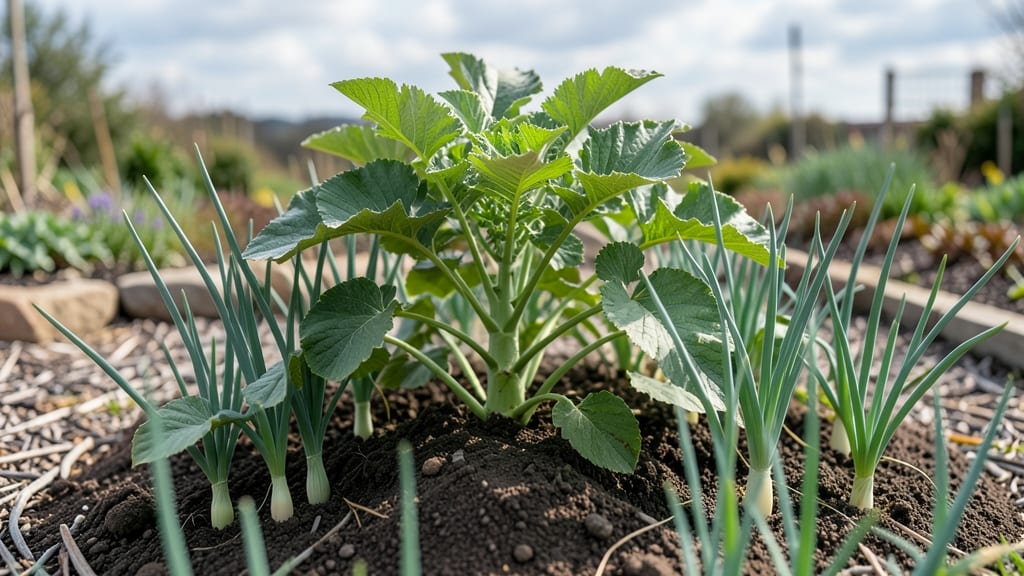
Cooking potatoes with onions on the stovetop creates a simple yet deeply flavorful side dish when you start by dicing both ingredients uniformly, then sauté the onions in oil until they turn translucent. Adding cubed potatoes and a splash of broth helps develop crisp edges while keeping the interior tender. Finish with a light seasoning of salt and fresh herbs for a dish that balances richness and freshness.
This stovetop method transforms basic ingredients into a restaurant-quality side by leveraging the natural sweetness of caramelized onions and the hearty texture of potatoes.
The key lies in patience—letting the onions soften and develop flavor before adding potatoes ensures every bite carries depth. 🔥 For even better results, I recommend using Yukon Gold potatoes (their creamy texture holds up beautifully) and yellow onions (their sharpness mellows into sweetness).
The broth isn't just for moisture; it infuses the potatoes with subtle savory notes while preventing them from sticking to the pan.
What makes this technique particularly versatile is how easily it adapts to different cuisines. A sprinkle of smoked paprika turns it into a Spanish-inspired tapa, while fresh thyme and a squeeze of lemon brighten it for Mediterranean flavors.
The method also works beautifully with leftover potatoes—simply reheat them with extra onions and a splash of water to revive their crispness.
💡 In This Article
- Why Sautéing Onions First Enhances Potato Flavor
- Best Potato and Onion Varieties for Stovetop Cooking
Why sautéing onions first enhances potato flavor
The foundation of this dish lies in the chemistry of caramelization. When you sauté onions in oil at medium heat (350°F), their natural sugars begin breaking down through the Maillard reaction—a process that creates hundreds of flavor compounds.
This transformation turns sharp onions into sweet, golden layers that coat the potatoes, adding depth that raw onions simply can't match. 🔥 The key is patience: onions release moisture as they cook, so you'll need to stir occasionally and avoid overcrowding the pan.
Here's where the potatoes enter the equation: their starches absorb these caramelized onion juices during cooking, creating a flavor bridge between each bite. Adding potatoes too soon would steam them instead of searing, resulting in a bland, watery texture.
The ideal moment is when onions reach soft, translucent perfection (about 8-10 minutes)—they should be golden at the edges but still hold their shape. This stage is crucial because the onions' natural pectin has broken down enough to release their sweetness while maintaining enough structure to support the potatoes.
The broth plays a dual role in this process. First, it prevents the potatoes from drying out by creating steam that gently cooks them from within. Second, it dissolves any fond (browned bits) stuck to the pan, incorporating those flavorful compounds back into the dish.
For best results, use a low-sodium broth (about ¼ cup) and let it simmer until mostly absorbed—this creates a crisp exterior while keeping the interior creamy. The timing here is delicate: too much liquid makes the potatoes soggy, while too little leads to dryness.
Temperature control is equally important. Maintaining medium-low heat (325°F) after adding potatoes allows for even cooking without burning the onions. This gentle heat also helps develop the potatoes' natural sugars, creating those coveted crisp edges while keeping the centers tender.
What most home cooks miss is how the onions' caramelization continues even after the potatoes are added—this ongoing reaction is what builds the dish's complex flavor profile over the 15-20 minutes of cooking time.
Consider this the science of layering flavors: the onions provide sweetness and depth, the potatoes offer hearty texture, and the broth ties everything together with subtle umami notes.
This method works particularly well with Yukon Gold potatoes because their waxy texture holds up to the stovetop cooking while absorbing flavors beautifully. The result is a dish where every component enhances the others, creating something far more interesting than the sum of its parts. ✨