
Planting
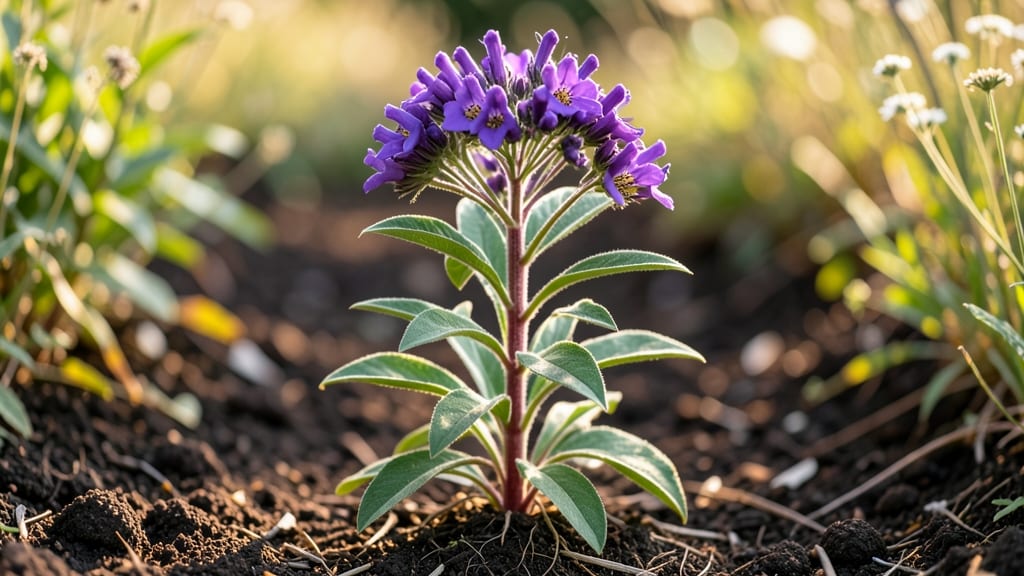
Growing the Purple Rocket plant means summer-long vertical drama in your garden. 🌿 This cold-hardy perennial thrives in zones 3-9, shooting up 4-6 feet of deep purple blooms that hummingbirds adore—no deadheading required. Start with well-draining soil and full sun to six hours of light.
Plant in early spring or fall, spacing them 18-24 inches apart. The key? Water consistently but avoid soggy roots—this plant hates wet feet. By midsummer, you'll have a vibrant purple fountain that blooms from top to bottom.
Prune lightly after flowering to encourage bushiness, but never cut into old wood—it won’t regrow. Perfect for cottage gardens, pollinator-friendly borders, or even as a striking cut flower. The blooms last weeks in vases, and the plant keeps growing for years with minimal care.
📚 In This Guide
- What you need
- Instructions
- Tips and common mistakes
- Wrapping up and next steps
What you need
- ● Purple Rocket Plant: 1–3 tubers (for immediate blooms) or
- ● Seeds (if starting from scratch—germination takes 1–2 years!)
- ● Well-draining soil: Mix 1 part garden soil with 1 part compost and 1 part perlite/sand (critical for preventing rot!).
- ● Sunlight access: Full sun (6+ hours daily) in a sheltered spot.
- ● Watering can or hose: With a gentle spray nozzle.
- ● Organic mulch: 2–3 inches of straw or pine needles (to retain moisture and regulate temperature).
- ○ Fertilizer (optional but helpful): Balanced 10-10-10 or low-phosphorus fertilizer (like 5-10-10) applied in early spring.
- ● Trowel or garden spade (for digging)
- ● Gloves (to protect your hands from thorns)
- ● Measuring tape or ruler (for spacing)
- ● Pruners (for deadheading or shaping)
- ○ Plant marker (optional, to label your Purple Rocket)
- ● USDA Hardiness Zones 5–9: Purple Rocket thrives in cold climates but avoid soggy, waterlogged areas.
- ● Patience: Tubers take 2–3 years to reach full bloom potential!
- ● Drought tolerance: Once established, this plant is low-maintenance—just water during dry spells.
Step-by-Step guide to planting and cultivating Purple Rocket
Here's my foolproof method for establishing this striking perennial that thrives in tough climates.
🌱 Step 1: Choose the Perfect Planting Location
Purple Rocket (Veronica 'Sunbird') thrives in full sun to partial shade, making it one of the most adaptable perennials for northern climates. I always look for spots with at least 4-6 hours of direct sunlight daily—this ensures those signature spikes of violet-blue flowers will reach their full 3-4 foot height without flopping.
Test your site's drainage by digging a 6-inch deep hole and filling it with water. If it drains within an hour, you're good; if not, amend the soil with 2-3 inches of compost to improve aeration. This plant tolerates a wide pH range but performs best in neutral to slightly alkaline soil (6.5-7.5).
🪴 Step 2: Prepare the Soil and Plant with Proper Spacing
Loosen the soil to a depth of 12 inches using a garden fork, breaking up any compacted layers. Work in 2-3 inches of organic matter like compost or well-rotted manure—this feeds the deep roots and improves moisture retention. Purple Rocket has a 2-foot spread, so space plants 18-24 inches apart in rows 2 feet apart for optimal airflow.
Dig a hole twice as wide as the root ball but no deeper. Gently remove the plant from its container and tease out any circling roots. Place it in the hole so the top of the root ball sits just below soil level—burying the crown too deep invites rot, while planting too high stresses the plant.
💧 Step 3: Water Deeply and Establish a Mulch Barrier
Water immediately after planting with 1 gallon per plant to settle the soil around roots. Purple Rocket has moderate drought tolerance once established, but young plants need consistent moisture. I water deeply every 2-3 days until new growth appears—watch for wilting leaves as your signal to water again.
Spread 2-3 inches of organic mulch (like shredded bark or straw) around each plant, keeping it 3 inches away from the stem to prevent rot. This conserves moisture, regulates soil temperature, and suppresses weeds—critical for the first growing season when roots are shallow.
☀️ Step 4: Provide Season-Long Care for Maximum Blooms
Fertilize in early spring with a balanced 10-10-10 formula at half-strength to encourage lush foliage. Purple Rocket responds well to a second feeding in early summer with a low-phosphorus fertilizer (5-10-5) to promote flowering. Avoid high-nitrogen feeds—this plant prioritizes blooms over leafy growth.
Deadhead spent flowers by snipping the entire spent spike back to just above the next set of leaves in late summer. This redirects energy to new growth and prevents seed formation, which can weaken the plant. In fall, cut back stems to 6 inches tall to tidy the appearance and protect the crown from winter winds.
⏰ Step 5: Prepare for Winter and Encourage Spring Regrowth
Purple Rocket is cold-hardy to USDA Zone 3, but young plants benefit from a 4-6 inch layer of mulch after the first hard frost. This insulates the roots and prevents heaving during freeze-thaw cycles. I never remove winter mulch until late April when new shoots emerge.
Prune back any dead or damaged stems in early spring before new growth begins. Watch for purple-tinged new shoots as your cue to fertilize lightly with a fish emulsion (5-5-5) to jumpstart the season. Established plants rarely need division, but if blooms decline after 3-4 years, dig up clumps in early spring and separate the roots.
Tips & tricks for perfect Purple Rocket plant cultivation
These hard-earned insights will help you coax the most vibrant blooms from your Purple Rocket—without the common pitfalls I've seen too many gardeners make.
The Sunlight Secret: While Purple Rocket thrives in full sun to partial shade, I've found the sweet spot is actually 5-6 hours of direct sunlight in northern climates. That extra hour makes all the difference for those signature violet-blue spikes to reach their full 3-4 foot height without flopping. If your garden gets intense afternoon sun, consider partial shade in the hottest hours to prevent leaf scorch—especially in Zone 4 and below.
Soil Prep That Makes a Difference: Don't just amend your soil—transform it. In Step 2, when you're loosening that 12-inch depth, I add a handful of lime (if your soil tests acidic) to nudge that pH toward the ideal 6.5-7.5 range. The difference between mediocre and spectacular blooms often comes down to this seemingly small adjustment. Test your soil first—many garden centers offer cheap test kits for under $20.
Watering Wisdom: Those 2-3 days between waterings in Step 3 can be tricky. I've learned to check moisture by sticking my finger 2 inches deep—if it feels dry, water deeply. The key is consistency: Purple Rocket roots run deep, but young plants need that regular moisture to establish. Overwatering is just as bad as underwatering—look for yellowing leaves as your warning sign.
Mulch Like a Pro: That 2-3 inch layer of organic mulch isn't just for looks. I use shredded hardwood bark because it breaks down slowly, feeding the roots over time. The 3-inch clearance from stems prevents rot, and I always refresh it in late spring to maintain that 2-inch minimum. Pro tip: Add a thin layer of gravel under the mulch if your soil drains poorly—it creates a little air pocket that prevents compaction.
Pro Tips for Purple Rocket Plant
- These hard-earned insights will help you coax the most vibrant blooms from your Purple Rocket—without the common pitfalls I've seen too many gardeners make.
- The Sunlight Secret: While Purple Rocket thrives in full sun to partial shade, I've found the sweet spot is actually 5-6 hours of direct sunlight in northern climates.
- Soil Prep That Makes a Difference: Don't just amend your soil—transform it.
Frequently asked questions
How fast does Purple Rocket grow, and when will it bloom?
Purple Rocket (Justicia brandegeana) is a fast grower, often reaching 3–5 feet tall in a single season. With proper care, you can expect bright magenta blooms by early to mid-summer (June–July in most zones). For faster results, fertilize lightly in spring and prune back leggy stems to encourage bushier growth. Patience pays off—its first-year flowers may be modest, but subsequent years deliver showstopping spikes!
Is Purple Rocket truly cold-hardy? What’s the best way to overwinter it?
Yes! This plant thrives in USDA Zones 8–11 and can survive light frosts down to 20°F (−7°C). For colder climates (Zones 7 and below), mulch heavily with straw or leaves and wrap the base in burlap. In extreme winters, dig up containers and store them in a garage or cold frame. Pro tip: Prune back dead foliage in early spring—new growth is surprisingly resilient!
How often should I water Purple Rocket, and does it need special soil?
Water deeply once a week (more in extreme heat) to encourage strong root growth. This plant prefers well-draining, slightly acidic soil (pH 6.0–7.0), but it’s adaptable. Amend heavy clay with compost or sand. Warning: Overwatering causes root rot—ensure containers have drainage holes. Bonus: A light layer of mulch retains moisture and deters weeds!
Are there pests or diseases I should watch for with Purple Rocket?
While generally pest-resistant, aphids and spider mites may appear on stressed plants. Treat with neem oil or a strong spray of water. Fungal issues like powdery mildew can occur in humid conditions—space plants for airflow and avoid overhead watering. Prevention tip: Healthy soil and balanced fertilizer reduce vulnerability!
Can I grow Purple Rocket in containers? What’s the best pot size?
This plant thrives in containers as long as the pot is at least 12–15 inches wide and deep. Use a fast-draining mix (cactus/succulent blend works well). For larger pots, add a time-release fertilizer in spring. Container hack: Place pots near a fence or trellis—its upright habit makes it a perfect vertical accent!
Wrapping up and next steps
The Purple Rocket plant is a stunning, low-maintenance addition to any garden, offering vibrant blooms and cold-hardy resilience. Whether you're a seasoned gardener or just starting out, its easy care and striking appearance make it a winner for summer color.
Ready to transform your outdoor space? Grab your gloves, find a sunny spot, and let this beauty take root!
🌱 Next steps:
- Check your local climate zone to confirm planting timing.
- Visit a nursery or order seeds to start your Purple Rocket journey.
- Share your progress with fellow plant lovers—happy gardening! 🌸