
Planting
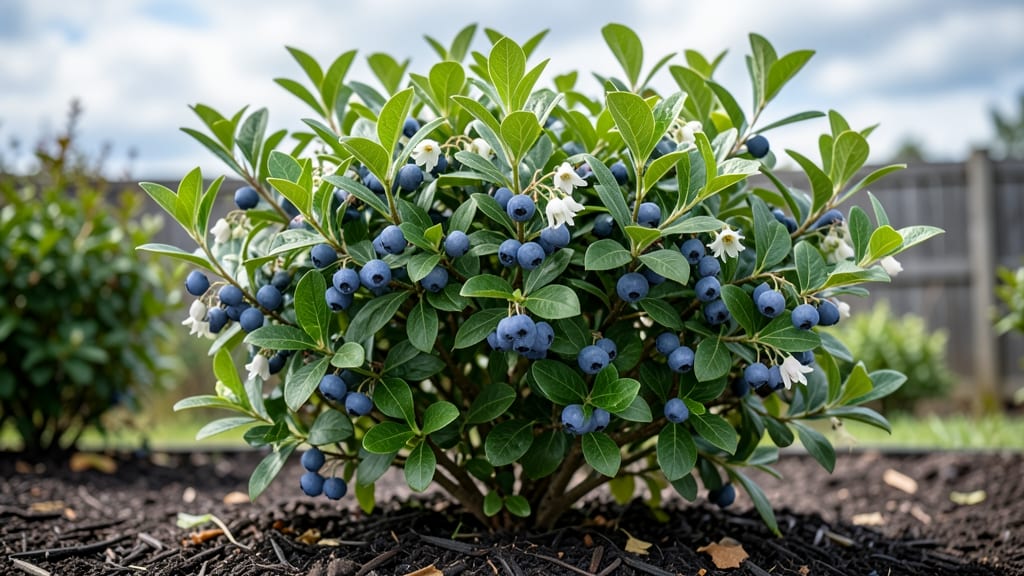
Growing Biloxi blueberries means cold-hardy, compact bushes that produce sweet, high-yield berries—even in tough climates. ✨ I learned the hard way that these plants thrive when planted correctly, with the right soil and care.
Unlike fussy varieties, Biloxi handles frost, drought, and poor soil better than most, making it perfect for beginners or small spaces. The secret starts with acidic, well-draining soil (think pine mulch or peat moss) and a sunny spot with 6+ hours of light daily.
Plant in early spring or fall, spacing bushes 4-5 feet apart to give roots room to spread. Water deeply once a week after planting, then adjust for dry spells—Biloxi hates soggy roots but begs for moisture in summer heat.
By year two, you’ll see vibrant pink flowers turning into dark purple-blue berries by mid-summer. Prune in late winter to remove dead wood and open the center for airflow, which keeps pests away. The best part? These bushes produce for decades with minimal fuss.
Works in zones 4-9, making them ideal for northern gardens or coastal areas. Here’s how to keep yours thriving year after year—no green thumb required!
📚 In This Guide
- What you need
- Instructions
- Tips and common mistakes
- Wrapping up and next steps
What you need
- ● Blueberry Biloxi plants: 1–3 bare-root or container-grown plants (choose self-pollinating varieties for easier care).
- ● Well-draining soil: 1–2 cubic yards of acidic soil mix (pH 4.5–5.5). Use a blend of: Peat moss or coconut coir (50%)
- ● Compost (30%)
- ● Sand (20%)
- ● Organic mulch: 2–3 inches of pine bark fines or pine needles (preserves acidity).
- ● Fertilizer: Slow-release acid-loving plant fertilizer (e.g., 10-10-10 or 8-3-9 with sulfur).
- ● Garden trowel or shovel (for digging holes).
- ● Garden fork (to loosen soil).
- ● pH testing kit (to verify soil acidity).
- ● Watering can or hose with a gentle spray nozzle (avoid overhead watering).
- ● Pruning shears (for shaping and maintenance).
- ● Container gardening? 1–2 large pots (15–20 gallons each) with drainage holes.
- ● Epsom salt (for magnesium boosts, especially in sandy soil).
- ● Row cover or frost cloth (for young plants in cold climates).
- ● Blueberry plant food (e.g., Miracle-Gro Azalea, Camellia & Rhododendron).
Step-by-Step instructions for planting blueberry Biloxi bushes
Here's the method I rely on for planting cold-hardy Biloxi blueberries—tried and true across multiple seasons.
🌱 Step 1: Choose and Prepare the Planting Site
Biloxi blueberries thrive in acidic soil with a pH between 4.5 and 5.5. Test your soil first—if it's above 6.0, amend it with sulfur or peat moss before planting. The site should receive full sun (6-8 hours daily) but tolerate partial shade in hot climates. Avoid low spots where water pools after rain.
I dig a hole twice as wide as the root ball but only as deep as the container's root system. Biloxi bushes have shallow roots, so don't bury them too deep. Loosen the sides of the hole with a shovel to encourage root spread. If your soil is heavy clay, mix in 2-3 inches of compost at the bottom to improve drainage.
🪴 Step 2: Plant and Amend the Soil
Remove the Biloxi bush from its container and gently tease apart any circling roots. Place the plant in the hole so the top of the root ball sits 1-2 inches above ground level—this prevents water from pooling around the stem. Fill the hole halfway with a mix of native soil and 50% peat moss or pine bark fines to maintain acidity.
Press the amended soil lightly around the roots to remove air pockets but don't compact it. Water deeply until moisture reaches 6 inches down, then let the soil settle for 10 minutes. Finish filling the hole with the soil mix, creating a slight mound around the base to encourage water runoff. Mulch with 3-4 inches of pine needles or wood chips to retain moisture and acidify the soil over time.
☀️ Step 3: Water and Fertilize for Establishment
Water the newly planted Biloxi bush every 2-3 days for the first 2 weeks, keeping the soil evenly moist but not soggy. After that, water deeply once a week, aiming for 1-1.5 inches of water per session. Biloxi bushes are drought-tolerant once established, but young plants need consistent moisture to develop strong roots.
Wait 4-6 weeks before fertilizing to let the roots recover from transplant shock. Then apply a slow-release, acid-loving plant fertilizer (like one formulated for blueberries or azaleas) in early spring. Follow the package instructions for dosage—over-fertilizing can burn roots and reduce fruit production. I avoid high-nitrogen fertilizers, which encourage leafy growth at the expense of berries.
✂️ Step 4: Prune and Maintain Year-Round
Prune Biloxi bushes in late winter or early spring before new growth begins. Remove dead, diseased, or crossing branches first, then cut back any overly long canes to 12-18 inches to encourage bushier growth. Biloxi bushes produce fruit on both old and new wood, so avoid heavy pruning that removes too many mature branches.
Monitor for pests like blueberry maggots or aphids—I treat infestations with neem oil or insecticidal soap early in the season. Harvest berries when they're deep blue and fully ripe, usually in late summer to early fall for Biloxi. After harvest, apply a thin layer of mulch to protect roots from winter temperature swings and retain moisture for next year's growth.
⏰ Step 5: Winterize for Cold Hardiness
Biloxi blueberries are USDA zones 4-9 hardy, but young plants need extra protection in their first winter. In late fall, apply a 4-6 inch layer of mulch around the base, extending it outward 2 feet from the plant. This insulates roots from freezing temperatures and prevents soil heaving.
Water the bush deeply before the ground freezes to ensure roots have moisture stored for early spring growth. Avoid pruning in winter—wait until late February or early March when new buds begin to swell. Biloxi bushes are low-maintenance once established, but this winter prep ensures they rebound strongly each spring.
Tips & tricks for planting cold-hardy Biloxi blueberry bushes
These practical insights will help you avoid common pitfalls and maximize your Biloxi blueberry's potential from day one.
Soil Acidification Strategy: I've found that mixing 50% peat moss with native soil in Step 2 creates the perfect acidic environment Biloxi bushes crave. For an extra boost, add a handful of cottonseed meal (optional) to the planting hole—it slowly releases nitrogen and helps maintain that critical 4.5-5.5 pH range. Test your soil again in spring to confirm acidity levels, especially if your area has alkaline soil tendencies.
Root Ball Preparation Tip: When removing Biloxi bushes from containers in Step 2, I always soak the root ball for 10-15 minutes before teasing apart circling roots. This gentle hydration makes the roots more pliable and reduces transplant shock. Water the roots again after planting to help them settle into their new home without stress. The 10-minute settling period mentioned in Step 2 gives roots time to adjust to their new position.
Watering Precision: The 6-8 hours of daily sunlight requirement in Step 1 means your Biloxi bush will be thirsty. I use a simple trick to track watering: place a rain gauge near the plant. For the first 2 weeks, aim for 0.25-0.375 inches of water every 2-3 days—this matches the 1-1.5 inches weekly target while accounting for evaporation. Mulch with 3-4 inches of pine needles (as in Step 2) locks in moisture and reduces watering frequency by 20-30%.
Winter Protection Hack: For the 4-6 inch mulch layer mentioned in Step 5, I recommend using a mix of pine straw and shredded leaves instead of just wood chips. The pine straw provides continuous acidification while the leaves add insulation. Spread the mulch in a cone shape, thicker at the base and tapering outward, to create a natural heat trap for roots during freezing temperatures.
Pro Tips for Blueberry Plant Biloxi
- These practical insights will help you avoid common pitfalls and maximize your Biloxi blueberry's potential from day one.
- Soil Acidification Strategy: I've found that mixing 50% peat moss with native soil in Step 2 creates the perfect acidic environment Biloxi bushes crave.
- Root Ball Preparation Tip: When removing Biloxi bushes from containers in Step 2, I always soak the root ball for 10-15 minutes before teasing apart circling roots.
Frequently asked questions
Got questions about growing Blueberry Biloxi? You’re not alone! This cold-hardy variety is a favorite, but it does have its quirks. Below, we’ve answered the most common questions to help you grow thriving bushes with minimal stress.
How cold-hardy is the Biloxi blueberry plant, and can it survive winter?
The Biloxi blueberry is one of the most cold-hardy varieties, thriving in USDA Zones 3-9. It can handle temperatures down to -30°F (-34°C), making it perfect for northern climates. Just mulch heavily in late fall to protect roots and prevent frost heave. Pro tip: Avoid pruning in late winter—wait until spring when new growth signals it’s safe!
When is the best time to plant Biloxi blueberries?
Plant your Biloxi blueberries in early spring (after the last frost) or fall (4-6 weeks before the first frost). Spring planting gives roots time to establish before summer heat, while fall planting allows roots to grow before winter dormancy. Avoid planting in extreme heat or cold—roots need stable soil temps (ideally 50-70°F / 10-21°C).
How long does it take for a Biloxi blueberry plant to bear fruit?
Patience is key! Biloxi blueberries typically take 2-3 years to produce fruit after planting, though some may fruit sooner with ideal conditions (like full sun, acidic soil, and proper care). Young plants focus on root and bush growth first—don’t rush it! Once established, they’ll reward you with large, sweet berries for decades.
What’s the best soil pH for Biloxi blueberries, and how do I adjust it?
Biloxi blueberries love acidic soil—aim for a pH of 4.5-5.5. Test your soil with a kit, then amend with peat moss, sulfur, or pine needles to lower pH if needed. Avoid lime or wood ash! For a quick fix, mix cottonseed meal into the planting hole—it’s a natural acidifier. Pro tip: Re-test pH annually and re-amend as needed.
What pests or diseases should I watch for with Biloxi blueberries?
Common issues include blueberry maggots, aphids, and fungal diseases like botrytis blight. Prevent pests with row covers (for maggots) and neem oil (for aphids). For diseases, ensure good airflow (prune regularly) and avoid overhead watering. If you spot mold or wilting leaves, remove affected parts immediately and treat with a copper fungicide.
Can I grow Biloxi blueberries in containers, or do they need in-ground planting?
Yes! Biloxi blueberries thrive in large containers (at least 18-24 inches deep) with well-draining, acidic soil. Use a mix of peat moss, perlite, and compost, and ensure the pot has drainage holes. Container-grown bushes may need more frequent watering and fertilizer (like acid-loving plant food). Just avoid moving pots in winter—keep them stationary for root stability.
Wrapping up and next steps
Growing Blueberry Biloxi is a rewarding journey that brings sweet, juicy berries to your table while adding beauty to your landscape! 🌱 With its cold-hardy nature and low-maintenance care, this perennial is perfect for both beginners and seasoned gardeners.
Whether you're planting in containers or the ground, remember to prioritize well-draining soil, consistent moisture, and a little patience—your efforts will soon pay off in delicious harvests.
Ready to get started? Take the next step by marking your calendar for planting season (spring or early fall) and gathering your supplies. Happy gardening—your future blueberry feasts await! 🍇✨