
Planting
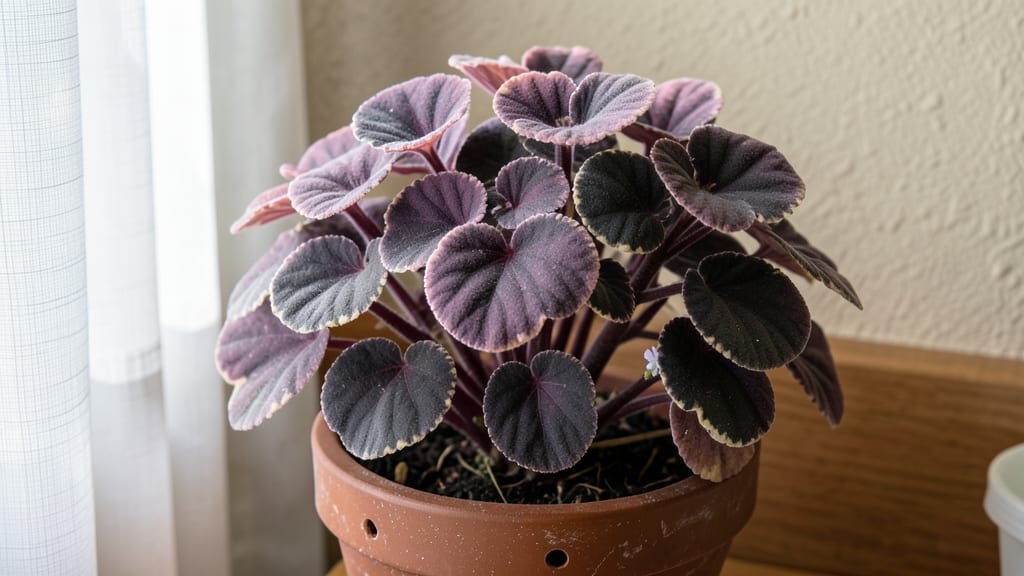
That velvety purple round leaf plant is the secret weapon for shade gardens. 💜 I’ve used Coleus, Purple Heart, and Heuchera to transform dull corners into lush, jewel-toned focal points—no sun required. Their deep hues and glossy textures create instant drama, even in the shadiest spots.
The magic lies in their versatility: pair them with silver foliage like lamb’s ear or white blooms like astilbe for striking contrast. Place them in borders, hanging baskets, or as edging for containers—they’ll soften hard lines while adding a pop of unexpected color.
By late summer, their leaves deepen to rich burgundy, extending your garden’s vibrancy well into fall. Even in winter, their dried stems add texture to arrangements, proving they’re more than just summer stars. Perfect for patios, woodland gardens, or urban courtyards where sunlight is scarce.
Let’s make your shady spots the most eye-catching part of the yard!
Root Causes Of Leaf Color Shifts
If your round-leafed purple plant is losing its signature deep hue or turning an unexpected shade, don’t panic—it’s usually a sign of environmental adjustments rather than a death sentence. Understanding the why behind these changes helps you tweak care routines for lush, vibrant foliage.
Below, we break down the most common triggers, complete with science-backed explanations and actionable fixes.
Purple round-leaf plants (like Heuchera, Coleus, or Purple Heart) rely on light intensity and quality to produce anthocyanins—the pigments responsible for their rich purple tones. When light shifts, so does their color.
- Too Much Sun:
Excessive direct sunlight (especially harsh afternoon rays) can bleach out purple pigments, causing leaves to turn greenish or even yellow. This happens because high light triggers chlorophyll production to overshadow anthocyanins. Think of it like a sunburn for your plant’s pigments!
- Insufficient Light:
Plants in deep shade (e.g., under dense tree canopies) may revert to green because they’re prioritizing energy for survival over pigment production. Without enough light, anthocyanins can’t synthesize properly, leading to a washed-out appearance.
- Artificial Light Quirks:
LED or fluorescent grow lights with blue spectrum dominance can suppress purple hues, while red-enriched bulbs may enhance them. Test your setup: If your plant’s color fades under indoor lights, switch to a full-spectrum bulb or add a touch of red (think grow light pink hues).
💡 Pro Tip: For outdoor plants, morning sun + afternoon shade is ideal. If indoors, place your plant 2–3 feet from a south- or east-facing window (or use a grow light on a timer for 12–14 hours/day).
Water isn’t just about hydration—it’s a chemical messenger for pigment production. Too much or too little can throw your plant’s color balance off.
- Overwatering:
Soggy soil drowns roots, limiting nutrient uptake—especially phosphorus and magnesium, which are critical for anthocyanin development. Overwatered plants may also develop chlorosis (yellowing), masking purple tones. Test your soil: Stick your finger 1–2 inches deep; if it’s damp, wait to water.
- Underwatering:
Drought stress forces plants to conserve energy, often by reducing pigment production. Purple leaves may fade to grayish-green as the plant shifts resources to survival. Check soil moisture regularly—most round-leaf purples prefer consistently moist (not soggy) soil.
- Mineral Imbalances:
Soil pH and nutrient levels directly impact anthocyanins. Alkaline soil (pH >7) can lock out essential nutrients like iron and manganese, leading to color loss. Acidic soil (pH <6) may also cause issues if aluminum or manganese toxicity occurs. Test your soil and amend with peat moss or sulfur to adjust pH as needed.
🌱 Action Step: Use a well-draining potting mix (e.g., 60% peat moss, 30% perlite, 10% compost) and water only when the top inch of soil is dry. For container plants, ensure pots have drainage holes.
Anthocyanins are secondary metabolites, meaning your plant only produces them when it has enough primary nutrients to spare. Starve it, and those purple hues take a backseat.
| Nutrient | Deficiency Signs | Fix It |
|---|---|---|
| Nitrogen (N) | Pale, yellowing leaves (but purple may fade to green) | Use a balanced fertilizer (10-10-10) or compost tea. |
| Phosphorus (P) | Dark green leaves with purple-black stems or weak growth | Apply bone meal or rock phosphate at planting. |
| Magnesium (Mg) | Yellow patches between leaf veins (purple may turn muted) | Spray with Epsom salt solution (1 tbsp/gallon water) monthly. |
| Iron (Fe) | Yellowing leaves with purple veins (chlorosis) | Use chelated iron or acidify soil with vinegar or sulfur. |
⚠️ Watch Out For: Fertilizer burn (too much salt) can scorch roots and cause color loss. Always water before fertilizing and dilute liquids to half-strength.
Purple pigments are temperature-sensitive. Extreme heat or cold can disrupt their production, while seasonal changes trigger natural color shifts.
- Heat Stress:
Temperatures above 85°F (29°C) can cause protein denaturation in leaves, leading to bleaching or browning. Some plants (like Coleus) may also revert to juvenile green leaves under heat stress—a survival tactic to reduce water loss.
- Cold Snaps:
Frost or temps below 40°F (4°C) can damage cell membranes, causing pigments to break down. Purple leaves may turn grayish or mushy. Mulch heavily in winter and avoid planting in frost-prone microclimates.
- Seasonal Color Shifts:
Some plants (like Heuchera) naturally intensify purple hues in cooler months due to increased anthocyanin production as a UV protectant. If your plant’s color fades in summer, it’s likely adapting to heat—not failing.
🌡️ Ideal Range: Most purple round-leaf plants thrive in 60–75°F (15–24°C). Use shade cloth in summer and move containers indoors if night temps drop below 50
Revive Your Round-Leafed Beauty
If your purple round leaf plant (like Heuchera or Alocasia) is struggling, don’t panic—most issues have simple fixes! Below, we’ll tackle the most common problems with clear, step-by-step solutions.
Whether it’s yellowing leaves, wilting stems, or pests, these fixes will help your plant bounce back to its velvety, vibrant best. Plus, we’ll share prevention tips to keep it thriving long-term.
Cause: Too much or too little water can stress your plant, leading to discolored leaves. Fix: 🔥 Check the soil moisture – Stick your finger 1–2 inches into the soil. If it’s soggy, your plant is overwatered; if dry, it’s thirsty. 🍳 Adjust your watering routine – Water only when the top inch of soil feels dry. Use well-draining soil and a pot with drainage holes. 👨🍳 Improve drainage – If your plant is in a container, repot it into a mix with perlite or sand to prevent root rot. ⏰ Water in the morning – This gives excess moisture time to evaporate before nightfall.
Prevention Tip: 💡 Group plants with similar water needs together to streamline care!
Cause: Wilting can signal underwatering, overwatering, or root damage. Fix: 🔥 Trim damaged roots – Gently remove the plant from its pot and inspect the roots. Snip any black, mushy, or squishy roots with clean scissors. 🍳 Repot in fresh soil – Use a well-draining potting mix and a clean pot to prevent reinfection. 👨🍳 Adjust light exposure – If your plant is in too much direct sun, move it to partial shade. If it’s too dark, gradually introduce more light. 🌡️ Mist the leaves – If the air is dry, lightly mist the foliage to revive it (great for Heuchera varieties).
Prevention Tip: ✨ Use a moisture meter to avoid guesswork—your plant will thank you!
Cause: Tiny pests like spider mites or aphids can suck the life out of your plant’s leaves. Fix: 🔥 Isolate the plant – Move it away from others to prevent spreading pests. 🍳 Wipe leaves with neem oil – Mix 1 tsp neem oil with 1 quart of water, spray lightly, and repeat every 5–7 days. 👨🍳 Blast off pests – Use a strong stream of water to dislodge aphids or spider mites. 🔪 Introduce beneficial insects – Ladybugs or lacewings love munching on pests naturally.
Prevention Tip: 🎯 Inspect new plants before bringing them home—quarantine them for a week!
Cause: Lack of light or nutrients can stunt growth and make stems stretch. Fix: 🔥 Boost light exposure – Move your plant to a brighter spot (but avoid harsh afternoon sun). 🍳 Fertilize lightly – Use a balanced, water-soluble fertilizer (like 10-10-10) diluted to half strength every 4–6 weeks in spring/summer. 👨🍳 Rotate the pot – Turn it occasionally so all sides get even light. 🌡️ Prune leggy stems – Trim back overgrown stems to encourage bushier growth.
Prevention Tip: 💡 Feed your plant in early spring to kickstart growth—think of it as a wake-up call!
Cause: Direct sunlight can cause crispy, brown edges on leaves. Fix: 🔥 Move to indirect light – Place your plant near a window with sheer curtains or in a shaded area. 🍳 Acclimate gradually – If you’re moving it outside, do it slowly over a week to avoid shock. 👨🍳 Mist leaves on hot days – This helps cool them down and prevents dehydration.
Prevention Tip: 🌡️ Watch for leaf color changes—yellowing in sun means it’s time to relocate!
With these fixes, your purple round leaf plant should perk up in no time! Remember, consistency is key—whether it’s watering, light, or pest control. Happy gardening! 🌿✨
Frequently asked questions
What are the most popular purple round leaf plants for gardens?
Top picks include Heuchera (coral bells), Coleus (for vibrant containers), and Purple Heart (a trailing variety). These thrive in shade and offer dramatic foliage year-round. For hanging baskets, try Purple Polka Dot Plant (Hypoestes phyllostachya).
How do I pair purple round leaf plants with other foliage?
Try contrasting textures: pair with silver foliage like lamb's ear or chartreuse plants like sweet potato vine. For height, add white blooms like astilbe or white flowers like hydrangeas. The purple creates stunning visual contrast against bright greens and creamy whites.
Can I grow purple round leaf plants indoors?
Choose compact varieties like Heuchera 'Palace Purple' or Coleus. Place near east-facing windows for gentle light. Use grow lights (12-14 hours/day) if natural light is insufficient. Ensure pots have drainage holes and use well-draining soil.
Why do some purple leaves turn green over time?
This happens when light conditions change—too much direct sun triggers chlorophyll production that masks purple pigments. For deeper purple hues, provide morning sun with afternoon shade. Some varieties naturally darken in cooler weather as anthocyanins increase.