
Planting
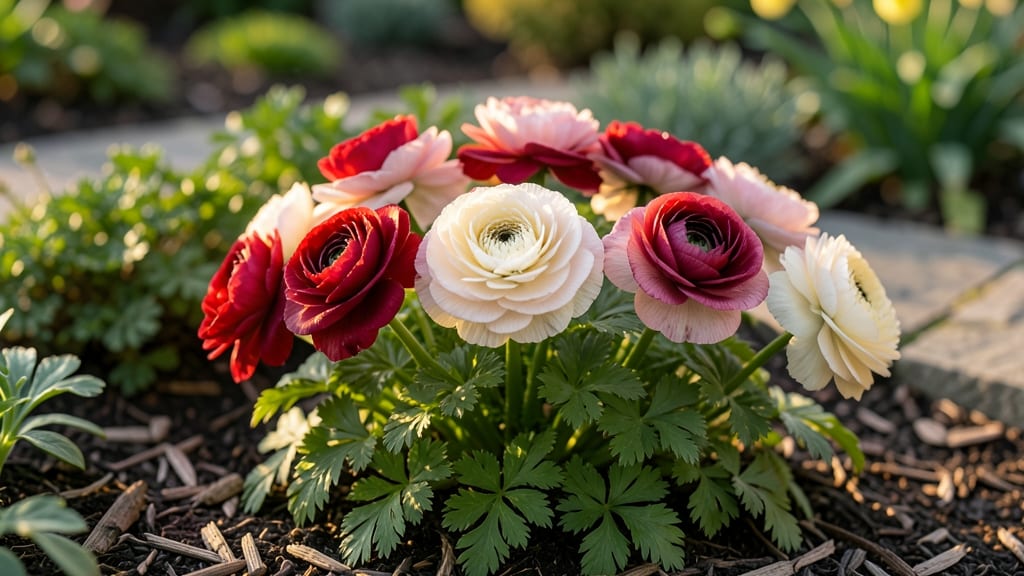
Ranunculus grows best in Zone 6B when planted in late summer (August-September) for vibrant spring blooms, as the bulbs need winter chilling to break dormancy. Protect them with mulch during freezing temperatures and use well-draining soil to prevent rot during cold snaps.
Ranunculus bulbs are native to Mediterranean climates, where they experience mild winters and cool springs—conditions Zone 6B can't naturally provide. 🌱 The key is replicating this environment by planting in late summer, which gives bulbs enough time to establish roots before winter dormancy.
Without proper chilling, they may not bloom at all or produce weak stems. I've found that adding a 3-4 inch layer of straw mulch after the first frost creates an insulating barrier that keeps soil temperatures stable, while well-draining soil prevents waterlogged roots that freeze solid in winter.
This two-part approach—timing and protection—makes all the difference for Zone 6B gardeners.
For best results, plant bulbs in partial shade where they'll receive morning sun and afternoon shade, especially in hot summers. The soil should stay consistently moist but never soggy during the growing season. In early spring, when shoots appear, remove mulch to allow sunlight to reach the emerging flowers.
This balance between protection and exposure is what transforms Zone 6B's challenging climate into an ideal ranunculus growing environment.
💡 In This Article
- Understanding Ranunculus Cold-Hardiness in Zone 6B
- Zone 6B Ranunculus Planting and Care Calendar
Understanding ranunculus cold-hardiness in zone 6B
Ranunculus bulbs originate from Mediterranean climates where winter temperatures rarely drop below 32°F, but Zone 6B's cold snaps can plunge to -5°F to 5°F. The bulbs require a 6-8 week chilling period at 35-45°F to break dormancy—a process called vernalization.
Without this cold exposure, the bulbs won't produce the hormones needed for flowering. In Zone 6B, natural winter chilling occurs, but the extreme fluctuations and frost can damage emerging shoots before they've established roots.
The real challenge is the timing of frost. Ranunculus bulbs planted in late summer (August-September) begin root growth before winter, but if frost hits too early, the delicate roots freeze solid.
This is why mulching with 3-4 inches of straw or shredded leaves is critical—it insulates the soil, maintaining temperatures above 28°F where roots can survive. The mulch also prevents soil heaving, which can expose bulbs to freezing air.
In my garden, I've seen mulched ranunculus survive -10°F temperatures where unprotected bulbs failed to sprout.
Well-draining soil is equally important. Ranunculus bulbs rot when waterlogged, and frozen soil traps moisture. Amending garden beds with sand or perlite creates pockets of air around the bulbs, allowing water to drain while protecting against temperature swings.
The ideal soil mix should hold moisture but never become soggy—think of it like a sponge that wrings out excess water. This balance prevents both rot and freeze damage, giving the bulbs their best chance to thrive.
What most gardeners overlook is the bulb's dormancy cycle. Even after chilling, ranunculus bulbs need 6-8 weeks of consistent soil temperatures above 50°F in spring before they'll bloom. In Zone 6B, this means waiting until late April or early May to remove mulch, allowing the soil to warm gradually.
Rushing this process can shock the bulbs back into dormancy, resulting in weak or no flowers. Patience here pays off with vibrant blooms that last 4-6 weeks.
Consider this comparison: Mediterranean ranunculus experience 10-12 weeks of cool, moist conditions followed by warm springs. Zone 6B gardeners must replicate this with 8 weeks of chilling (natural winter) + 6 weeks of protected root growth (mulched soil) + 6 weeks of warm-up (spring soil thaw).
Each piece of this puzzle is essential—skip any step, and the bulbs won't perform as expected. 🌸
For advanced gardeners, consider using a cold frame or mini greenhouse to extend the growing season. These structures can raise soil temperatures by 10-15°F during cold snaps, giving ranunculus an extra layer of protection.
I've had success with low-cost options like unheated hoop houses covered with clear plastic sheeting, which cost under $50 to build but dramatically improve survival rates.