
Planting
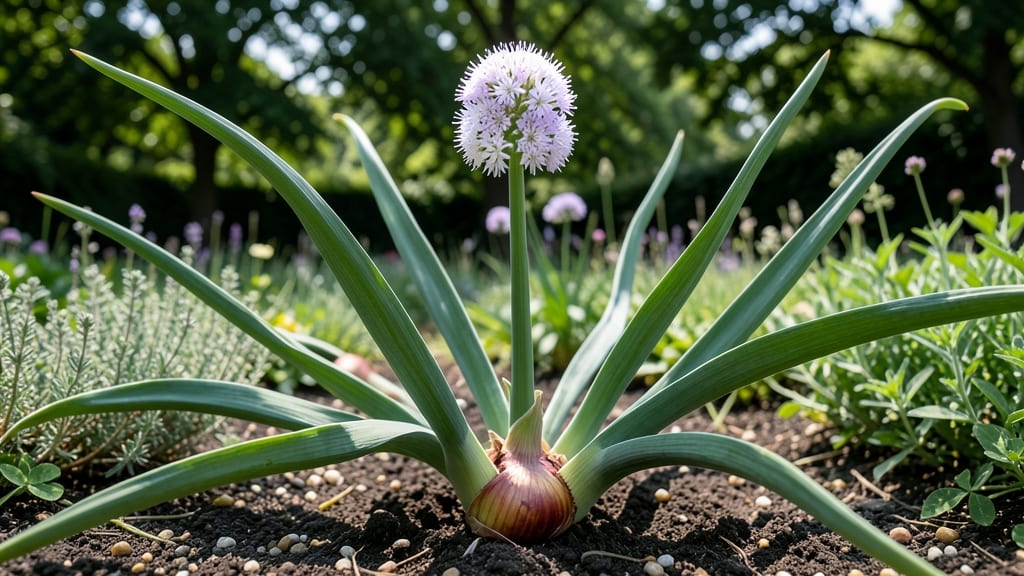
Your red onion plant flowers aren’t a sign of failure—they’re nature’s way of boosting flavor and beauty. 🌸 Those delicate blooms mark the plant’s final growth stage, and while they don’t ruin the bulb, they do shift energy toward seed production.
The good news? You can still harvest edible flowers for salads or garnishes, and the bulbs that form will be sweeter than store-bought.
Flowering happens when onions sense daylight lengthening in late spring or early summer, typically 60-90 days after planting. If you want larger bulbs, snip off the flower stalk early—this redirects energy back to bulb development.
But if you’re growing for both beauty and harvest, let a few flowers bloom: the bulbs may be smaller, but the flavor deepens, and you’ll get fresh edible blossoms to enjoy.
Those purple-pink flowers aren’t just pretty—they’re packed with mild onion flavor, perfect for garnishing soups or adding to vinegar infusions. The bulbs that form after flowering tend to be milder and sweeter, ideal for fresh eating or quick pickling.
Just be patient: harvesting takes 2-3 weeks longer than usual once flowers appear.
For best results, plant onions in well-draining soil with full sun and keep them consistently moist. If you’re in a hot climate, consider succession planting every 2-3 weeks to stagger flowering and harvest times.
The key is balance: let a few flowers bloom for beauty and flavor, but prune others to maximize bulb size when needed.
📚 In This Guide
- What you need
- Instructions
- Tips and common mistakes
- Wrapping up and next steps
What you need
- ● Red onion seeds or sets: Choose Allium cepa varieties like 'Red Baron' or 'Tropea' (1-2 lbs or ~50-100 seeds for a small garden).
- ● Well-draining potting mix: 10-15 lbs of organic, sterile soil blend (e.g., 60% compost, 30% coconut coir, 10% perlite).
- ● Containers or garden bed: Containers: 5-6" deep pots (3-5 plants per 12" pot) with drainage holes.
- ● Garden bed: Full sun (6+ hours/day), loose soil with pH 6.0-7.0.
- ● Watering can or hose with gentle spray nozzle.
- ● Fertilizer: Balanced organic fertilizer (10-10-10) or compost tea (mix 1 tbsp per gallon of water).
- ● Pruning shears or scissors: For harvesting flowers (sterilize with rubbing alcohol).
- ● Grow lights: LED full-spectrum bulbs (for indoor setups; 12-16 hours/day).
- ● Mulch: Straw or shredded leaves to retain moisture (apply 2-3" after planting).
- ● Pollinator-friendly companions: Plant nearby basil, marigolds, or dill to attract bees (🐝) for better flower production!
- ● Edible flower recipes: Printouts or digital notes for culinary inspiration (e.g., garnishes, teas, or vinegars).
Step-by-Step guide to encouraging and harvesting red onion flowers
Here's how to coax those stunning blooms from your red onions—and use them to spice up both your garden and kitchen.
🌱 Step 1: Identify and Support Flowering Onions
Red onions typically bolt (flower) in their second year when they sense shorter daylight or stress. Look for thick, hollow stems rising from the center of your onion tops—this is your cue they're preparing to flower. Let them grow naturally; these stems are sturdy enough to support blooms without extra support.
Water consistently to keep soil moist but not soggy—overwatering can cause rot, while drought stress might trigger premature bolting. If your onions are in full sun (6+ hours daily), they'll develop stronger stems for blooms. Mulch with 1-2 inches of straw to retain moisture and prevent weeds from competing.
✂️ Step 2: Prune for Better Blooms
Once flower stalks appear, trim the onion tops 2-3 inches below the base of the bloom to redirect energy into the flower rather than seed production. This encourages larger, showier blooms while keeping the plant healthy. Use clean, sharp scissors to avoid damaging the stem.
Watch for pale or yellowing leaves—this signals stress. If you notice it, reduce watering slightly and ensure the soil drains well. Onions are biennials, so they'll focus on flowering in their second year, but proper care now ensures vibrant blooms next season.
☀️ Step 3: Harvest Flowers at Peak Beauty
Pick flowers when 30-50% of the blooms are open—this ensures you get both fresh and drying options. Use clean pruners to snip the stem just above a leaf node to encourage more blooms. Cut in the early morning when humidity is high to preserve moisture in the stems.
For edible use, harvest individual flower clusters as they open. The petals add a mild onion flavor to salads, while the buds can be pickled like capers. If you're drying flowers for later use, tie small bunches with twine and hang upside down in a dark, well-ventilated space for 1-2 weeks.
🌿 Step 4: Save Seeds (Optional)
If you want to grow onions from seed next year, leave 1-2 flower stalks uncut until they fully mature. The seed pods will turn brown and papery—this signals they're ready to harvest. Gently rub the pods between your fingers to release the tiny, black seeds.
Store seeds in a cool, dry place for up to 2 years, but know they may not produce true-to-type red onions. For consistent varieties, it's better to save bulbs or buy new seeds annually. The flowers themselves are the real treasure—both for their beauty and culinary potential.
Tips & tricks for perfect red onion plant flowers
Here's what nobody tells you about growing and using these edible blooms like a pro.
Timing is Everything: The 30-50% bloom openness window in Step 3 is your sweet spot for harvesting. If you pick too early, the buds won't have fully developed their flavor, and if you wait too long, the petals become tough and lose their delicate taste. I check my flowers in the morning when humidity is highest—this preserves their freshness longer after cutting.
Pruning Precision: When you trim those 2-3 inches below the bloom in Step 2, make sure you cut cleanly with sharp scissors. A jagged cut can introduce bacteria, and a cut too close to the bloom might damage it. I like to sterilize my scissors with rubbing alcohol between cuts to prevent any potential contamination that could affect both the plant and your edible flowers.
Drying Secrets: For drying flowers in Step 3, I've found that hanging them upside down in a dark, well-ventilated space for 1-2 weeks works best. The key is to keep the air circulating gently—this prevents mold while preserving the petals' color and flavor. I use a simple twist tie to secure the stems, which keeps everything tidy and easy to store once dried.
Culinary Creativity: Beyond salads, these flowers shine in unexpected ways. Try adding the buds to homemade pickles for a floral kick, or infuse them into vinegar for a unique dressing. The petals also make stunning garnishes for cocktails or elegant desserts. I've even made red onion flower jam that pairs beautifully with cheese boards—it's a conversation starter!
Pro Tips for Red Onion Plant Flower
- Here's what nobody tells you about growing and using these edible blooms like a pro.
- Timing is Everything: The 30-50% bloom openness window in Step 3 is your sweet spot for harvesting.
- Pruning Precision: When you trim those 2-3 inches below the bloom in Step 2, make sure you cut cleanly with sharp scissors.
Frequently asked questions
When do red onion flowers bloom, and how long do they last?
Red onion flowers typically bloom in late spring to early summer, about 60–90 days after planting. The blooms last 1–2 weeks per flower head, but individual flowers open and close daily. For continuous blooms, plant multiple onions or succession-sow seeds.
Are red onion flowers edible, and what do they taste like?
They’re mildly sweet, onion-like, with a hint of garlic. Use them fresh in salads, garnishes, or as a flavorful garnish for soups. Pro tip: Harvest flowers in the morning for peak freshness and flavor!
What should I do if my red onion plant flowers too early?
Early flowering (before bulbs mature) usually means heat stress, poor soil, or overcrowding. To fix it:
- Move plants to partial shade if temps exceed 85°F.
- Water deeply 1–2 times weekly (keep soil moist but not soggy).
- Thin plants to 4–6 inches apart for better bulb development.
Can I save seeds from red onion flowers for next year?
Yes, but expect variation in size/flavor—onions are open-pollinated. Let a few flowers fully dry on the plant, then collect seeds. Store them in a cool, dry place for up to 2 years. For consistent results, buy fresh seeds annually.
What’s a good alternative if I don’t want flowers but still want onions?
Try short-day onions (like ‘1015Y’ or ‘Red Baron’), which focus energy on bulbs instead of flowering. Or grow green onions—they’re fast, flower-resistant, and perfect for snipping!
Wrapping up and next steps
Growing red onion plant flowers isn’t just about adding a pop of color to your garden—it’s a rewarding way to elevate your cooking and embrace nature’s bounty! 🌸 From savoring their mild, onion-like flavor to attracting pollinators, these blooms offer a dual-purpose treat.
Whether you’re a seasoned gardener or just starting out, every step—from planting to harvesting—is a chance to connect with the cycle of life and flavor.
Ready to take the next step? Try planting a few red onion seeds this season and let the beauty (and taste!) unfold. Who knows? You might just discover a new favorite ingredient—or even inspire others to grow their own edible garden magic! 🌱