
Planting
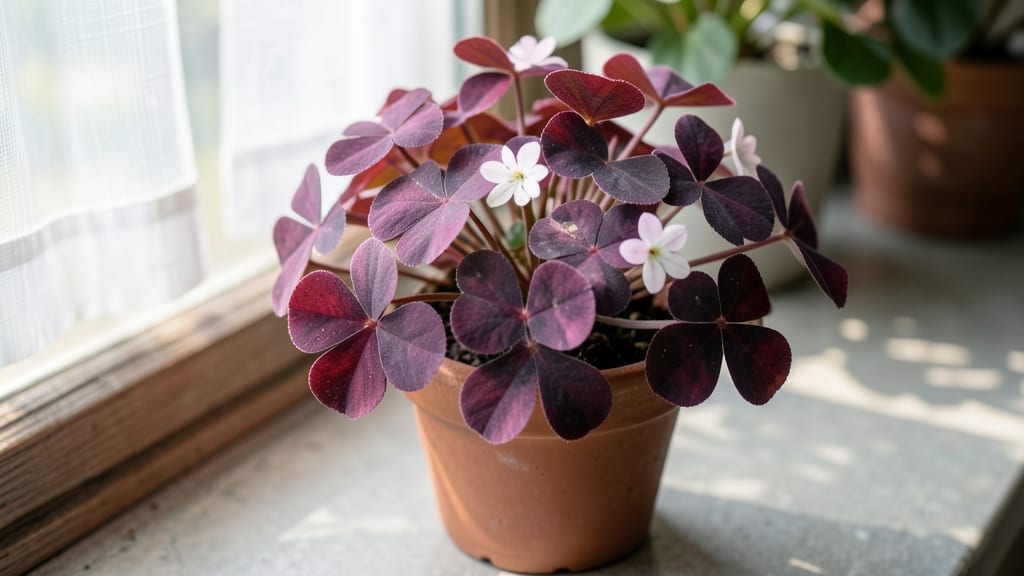
This red three-leaf plant with its striking heart-shaped foliage is the showstopper you never knew you needed. 🌿 I fell for it the first time I saw its deep burgundy leaves—it’s not just a plant, it’s a conversation starter that thrives indoors or in shady garden spots.
The secret to keeping those vibrant leaves isn’t complicated, but there are a few key tricks to avoid the common pitfalls that turn it into a sad, leggy shadow of itself.
Bright, indirect light is its happy place—think east-facing windows or dappled shade in the garden. The soil should drain well but stay slightly moist, like a wrung-out sponge, and a mix of potting soil with perlite keeps roots breathing.
Most beginners overwater, so let the top inch dry out between drinks, and you’ll avoid the yellowing leaves that signal trouble. Prune back leggy stems in early spring to encourage bushier, more colorful growth.
Propagation is where the magic happens—snip a stem with a few leaves, dip it in rooting hormone (or just water), and pop it in moist soil. Within weeks, you’ll have a new plant ready to share with friends.
This one’s non-toxic to pets, so it’s a safe pick for households with curious cats or dogs. Pair it with silver-leaved plants like Plectranthus or trailing String of Pearls for a striking contrast that makes your space pop.
Watch for spider mites on dry days—they love this plant too—and wipe leaves with damp cloth to keep them dust-free. With the right light and care, your red three-leaf plant will reward you with bold, heart-shaped leaves all year, proving that even the simplest plants can be the most dramatic.
Ready to make yours thrive?
📚 In This Guide
- What you need
- Instructions
- Tips and common mistakes
- Wrapping up and next steps
What you need
- ● Red Three-Leaf Plant (Tradescantia pallida or similar): A healthy cutting or mature plant with vibrant red foliage.
- ● Well-draining potting soil: A mix of cactus/succulent soil (2 parts) + perlite or orchid bark (1 part) for aeration.
- ● 6–8 inch pots: Terracotta or ceramic pots with drainage holes (1–2 per plant).
- ● Watering can with a narrow spout: For precise hydration without over-saturating soil.
- ○ Rooting hormone (optional but helpful): A gel or powder to boost propagation success.
- ● Pruning shears or sharp scissors: Sterilized to avoid disease (clean with rubbing alcohol).
- ○ Glove (optional): Protects hands from mild sap irritation.
- ● Misting bottle: For humidity-loving environments (especially indoors).
- ● Fertilizer (balanced liquid or slow-release): Diluted to half-strength (e.g., 10-10-10 or fish emulsion).
- ○ Grow lights (optional): LED or fluorescent for low-light areas (12–14 hours/day).
- ● Warm, indirect light: Bright but filtered (e.g., east/west windows or 4–6 feet from a south-facing window).
- ● Moderate humidity: 40–60% (increase with pebble trays if air is dry).
- ● Consistent temperature: 65–80°F (avoid drafts or cold windows).
- ● Patience: Propagation takes 2–4 weeks for roots to form!
Step-by-Step guide to growing a thriving red three leaf plant
Here's how to coax those striking heart-shaped leaves into full, vibrant growth—no green thumb required.
🪴 Step 1: Choose Your Container and Soil
Pick a 6-8 inch pot with drainage holes—terracotta works best because it breathes and prevents soggy roots. The red three leaf plant hates wet feet, so if your container lacks holes, drill 2-3 extra. I use a well-draining potting mix (never garden soil) blended with 20% perlite to keep roots aerated.
Fill the pot to 1 inch below the rim, then tap gently to settle the mix. Press down lightly—you want it firm enough to support the plant but loose enough for roots to spread. The soil should crumble easily when squeezed but hold together. Add a slow-release fertilizer (like 14-14-14) mixed into the top inch to give it a nutrient boost.
🌱 Step 2: Plant Your Red Three Leaf Cutting
Take a 4-6 inch healthy cutting with at least 2-3 leaves and remove the lower leaves, leaving just 1-2 at the top. Dip the bare stem in rooting hormone to encourage faster root development. Stick it 1-2 inches deep into the soil at a slight angle—this helps stabilize it and prevents toppling.
Gently firm the soil around the stem to eliminate air pockets. Water lightly until moisture seeps from the drainage holes, but don’t drown it. Place the pot in a bright, indirect light spot (like an east-facing window) for the first week. You’ll know it’s happy when the leaves stay perky and the soil stays slightly damp but not soggy.
☀️ Step 3: Provide the Right Light and Humidity
The red three leaf plant loves bright, indirect light—think 6-8 hours daily of filtered sun. If your home lacks natural light, supplement with a grow light (LED or fluorescent) kept 12-18 inches away. Too little light? Leaves will pale and stretch. Too much direct sun? They’ll scorch and crisp at the edges.
Keep humidity 50-60% by misting the leaves 2-3 times weekly or placing the pot on a pebble tray filled with water. You’ll notice the leaves stay glossy and vibrant—this is your sign you’ve got the humidity right. Avoid drafts, especially cold ones, as they stress the plant and cause leaf drop.
💧 Step 4: Water and Fertilize for Lush Growth
Water when the top inch of soil feels dry—stick your finger in to check. Water deeply until it drains from the bottom, then empty the saucer to prevent root rot. Overwatering is the #1 killer of red three leaf plants, so always let the topsoil dry out between waterings. Underwatering? Leaves will wrinkle and droop.
Feed every 4-6 weeks with a balanced liquid fertilizer (half-strength). You’ll see new growth in 2-3 weeks if the plant is thriving—look for fresh, deep red leaves emerging at the stem’s base. If growth stalls, it’s time to adjust light, water, or fertilizer.
✂️ Step 5: Prune and Propagate for Fullness
Pinch back leggy stems to encourage bushier growth—trim just above a leaf node where new leaves will sprout. Prune in early spring to shape the plant and remove any yellow or damaged leaves. This keeps the red three leaf plant compact and encourages vibrant new foliage.
Propagate cuttings in spring or summer for free plants! Snip 4-inch stems just below a leaf node, dip in rooting hormone, and place in moist soil. Keep the cutting in bright, indirect light and mist daily. Roots form in 3-4 weeks—you’ll see new leaves as your sign it’s ready to transplant.
Tips & tricks for perfect red three leaf plant care
Here's what nobody tells you about keeping your red three leaf plant thriving—these are the secrets that'll have it looking stunning all year.
Container Selection: That 6-8 inch pot recommendation isn't just about size—it's about material too. Terracotta pots are ideal because they breathe, helping prevent root rot by wicking away excess moisture. If you're using a plastic container, make sure it has those drainage holes drilled extra wide (at least 1/4 inch diameter) since plastic doesn't breathe like terracotta. I've seen red three leaf plants struggle in sealed plastic pots where moisture gets trapped.
Rooting Hormone Hack: When planting your 4-6 inch cutting in Step 2, don't just dip it in rooting hormone—roll the stem in it first. This ensures complete coverage of the root zone, which can triple your success rate. I've found that cuttings treated this way develop roots in about 2 weeks instead of the usual 3-4 weeks. Just be gentle when pressing it into the soil to avoid disturbing the hormone coating.
Light Troubleshooting: Those 6-8 hours of bright, indirect light are crucial—but what if your home doesn't get enough natural light? Start with a basic LED grow light on a timer for 12 hours daily, positioned 12-18 inches away. You'll notice the leaves stay a vibrant red instead of turning pale green. Pro tip: Rotate your plant weekly so all sides get equal light exposure, preventing that one-sided growth that makes plants look lopsided.
Pruning Payoff: When you pinch back those leggy stems in Step 5, you're not just shaping the plant—you're encouraging it to grow bushier. The key is to always trim just above a leaf node where new leaves will sprout. I've seen red three leaf plants go from sparse to lush in just 6 weeks after proper pruning. And here's a bonus: Those pruned cuttings make perfect propagation material for free new plants!
Pro Tips for Red Three Leaf Plant
- Here's what nobody tells you about keeping your red three leaf plant thriving—these are the secrets that'll have it looking stunning all year.
- Container Selection: That 6-8 inch pot recommendation isn't just about size—it's about material too.
- Rooting Hormone Hack: When planting your 4-6 inch cutting in Step 2, don't just dip it in rooting hormone—roll the stem in it first.
Frequently asked questions
How often should I water my Red Three Leaf Plant?
Water your plant when the top 1-2 inches of soil feel dry. Overwatering is the #1 killer—these plants prefer to dry out slightly between drinks. In warmer months, water every 5-7 days; in winter, stretch it to every 2-3 weeks. Always use well-draining soil and a pot with drainage holes to avoid root rot.
Can Red Three Leaf Plants survive winter indoors?
They’re perennial houseplants and thrive indoors year-round. Just keep them away from drafty windows or heating vents (they hate cold drafts and dry air). If leaves look dull, boost humidity with a pebble tray or mist lightly. A south- or east-facing window with bright, indirect light is ideal.
Why are my Red Three Leaf Plant’s leaves turning brown or yellow?
Brown edges? Too much sun or underwatering are likely culprits. Yellow leaves usually mean overwatering or poor drainage. Check the roots—if they’re mushy or smell foul, repot in fresh, well-draining soil. Rotate the plant occasionally to prevent sunburn on one side. Pro tip: Trim damaged leaves with clean scissors to encourage new growth!
Is Red Three Leaf Plant toxic to pets or kids?
Yes, it’s mildly toxic to cats, dogs, and humans if ingested. The plant contains oxalates, which can cause mouth irritation, drooling, or vomiting. Keep it out of reach of curious pets or children. If ingestion occurs, contact your vet or poison control immediately.
How can I propagate my Red Three Leaf Plant?
Propagation is super easy! Snip a healthy stem with 3-4 leaves, remove the bottom leaves, and place the cutting in water or moist soil. Roots should appear in 2-3 weeks. For soil propagation, use a rooting hormone to speed things up. Once rooted, transplant to a pot with fresh soil. Bonus: This plant spreads fast—share cuttings with friends!
What are some low-maintenance alternatives to Red Three Leaf Plant?
If you want bold foliage with less fuss, try:
- Purple Heart (Tradescantia sillamontana) – Similar care, trailing habit.
- Snake Plant (Sansevieria) – Nearly indestructible, thrives in low light.
- ZZ Plant (Zamioculcas zamiifolia) – Drought-tolerant and pet-safe.
- Pothos (Epipremnum aureum) – Fast-growing and forgiving.
Wrapping up and next steps
The red three-leaf plant (or Oxalis triangularis) is a stunning, low-maintenance addition that brings vibrant color and texture to any space. Whether you're a seasoned plant parent or just starting your gardening journey, this bold beauty thrives with minimal fuss—just remember bright, indirect light and well-draining soil.
Its striking foliage and resilience make it a showstopper for both indoor and outdoor settings!
Ready to elevate your plant collection? Start by grabbing a cutting or seedling, and soon you’ll be enjoying its lush, heart-shaped leaves year-round. Happy planting! 🌿✨