
Planting
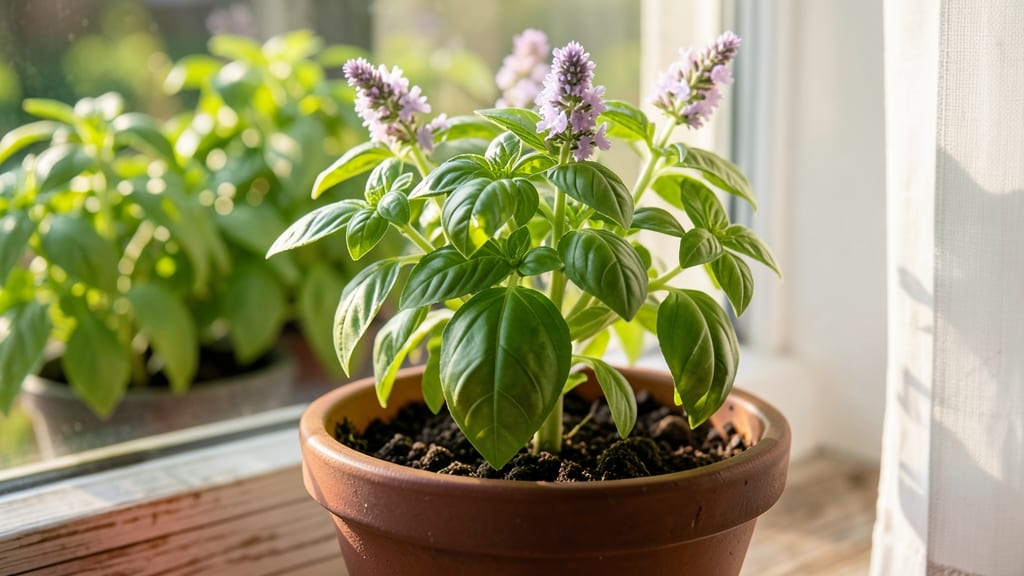
How to identify the basil plant starts with that unmistakable first whiff of its bright, peppery scent—your best clue to tell the real thing apart from lookalikes like mint or parsley. 🌿 I’ve spent years growing it, and the aroma alone sets it apart from doppelgängers, though the leaves can fool even experienced gardeners at first glance. Basil’s signature features include broad, slightly wrinkled leaves with jagged edges and a square stem that’s often fuzzy. Genovese basil has classic green leaves, while Thai basil boasts purple stems and anise-like notes, and Purple Opal basil turns deep burgundy when mature. Compare these to mint’s serrated leaves or cilantro’s lacy fronds, and the differences become clear. You’ll also spot basil’s bushy, upright growth habit and its tendency to bolt quickly in heat. The leaves release that signature fragrance when crushed—something you won’t find in its doppelgängers. This simple test separates real basil from imposters every time. For tricky identifications, check the flowers: basil’s tiny white blooms grow in clusters at the stem tips, while mint’s flowers appear in whorls. Keep these clues handy, and you’ll never mistake basil again.
📚 In This Guide
- What you need
- Instructions
- Tips and common mistakes
- Wrapping up and next steps
What you need
- ● Basil plant (or suspected plant) – The star of the show! Ensure it’s healthy or at least has visible leaves for inspection.
- ● Sharp scissors or pruning shears – A pair with sterilized blades (70% isopropyl alcohol works) to avoid spreading disease.
- ○ Gloves (optional but recommended) – Protects your hands from sap, dirt, or potential irritants.
- ○ Magnifying glass (optional) – Helps examine fine details like leaf veins or tiny hairs.
- ● Notebook & pen – For jotting down observations like leaf shape, color, or scent notes.
- ● Camera or smartphone – Capture close-ups of leaves, stems, and flowers for later reference.
- ○ Scent test kit (DIY or store-bought) – A small jar with a lid (for storing crushed leaves) or a scent wheel guide (optional but helpful for aroma comparison).
- ● Good lighting – Natural daylight or a bright lamp to clearly see leaf details.
- ● Fresh air or a well-ventilated space – Basil’s aroma is potent; avoid testing in enclosed areas if you’re sensitive to strong scents.
- ● Water source (for rinsing leaves, if needed) – A spray bottle or sink access to clean leaves before inspection.
- ● 💡 Morning is best – Basil leaves are most vibrant and aromatic in the early hours.
- ● 🌡️ Avoid humid days – Excess moisture can distort leaf shapes or dilute scents.
- ● ✨ Compare with known basil – If possible, bring a confirmed basil plant to side-by-side compare.
How to identify a basil plant: leaf shape and aroma secrets
Here's how I spot basil instantly—no green thumb required. Just look, smell, and touch.
🌿 Step 1: Examine the Leaf Shape and Arrangement
Basil leaves are broad, oval, and slightly pointed at the tips, with serrated edges that look like tiny teeth. They grow in pairs opposite each other along the stem—this is called "opposite branching." Hold a leaf between your fingers and notice how it feels slightly soft but sturdy, never waxy or leathery like mint.
Young leaves are smaller and more rounded, while mature leaves grow 2-4 inches long and develop a deeper green color. If you see tiny white flowers forming, that's a sure sign—basil blooms quickly when it's happy. The stems are square-shaped, which is a dead giveaway when you run your fingers along them.
🌱 Step 2: Check the Stem and Growth Pattern
Basil stems are square, not round like most herbs, and they're covered in fine hairs you can feel if you rub them gently. The plant grows upright but branches out freely, creating a bushy shape. When you pinch off the top sets of leaves, you'll encourage more lateral growth—this is how basil develops its classic full, rounded form.
Look for the tiny buds where leaves meet the stem. These are called axillary buds, and they're where new branches will sprout. If the plant has woody stems or looks leggy with sparse leaves, it might be overgrown or stressed. Fresh basil feels vibrant and snaps easily when you bend the stems.
💧 Step 3: Test the Aroma and Taste
Crush a few leaves between your fingers and inhale deeply. Fresh basil has a bright, slightly sweet, peppery scent that's unmistakable. It smells fresh and green, not musty or earthy like some other herbs. If it smells faintly like cloves or cinnamon, that's a bonus—it means your basil is high-quality.
Taste a small piece of leaf. Fresh basil should burst with a sweet, slightly spicy flavor. If it tastes bitter, the plant might be old or stressed. Young leaves are the mildest and most flavorful. Run your tongue along the leaf's edge—you'll notice a slight texture that's neither smooth nor fuzzy, but somewhere in between.
✂️ Step 4: Compare With Common Look-Alikes
Basil often gets confused with mint, cilantro, or parsley. Mint leaves are more pointed and grow in whorls (three or more leaves at a node), while basil's leaves grow in pairs. Cilantro has lacy, fern-like leaves and a very different aroma—crush a leaf and sniff to confirm. Parsley has finely divided leaves that look like feathers, while basil leaves are solid and broad.
If you're still unsure, check the flowers. Basil flowers are small, white, and form in clusters at the stem tips. They smell sweet and attract bees. Mint flowers are tiny and purple, while parsley flowers are yellow and flat-topped. This visual check is foolproof once you know what to look for.
🌱 Step 5: Verify Growth Conditions
Basil thrives in full sun (6+ hours daily) and warm soil, so if you find a plant growing in these conditions, it's a strong clue. The leaves should be a vibrant green, not yellow or pale. Check the soil moisture—basil likes consistently moist but not soggy soil. If the leaves are wilting or yellowing, the plant might be struggling.
Fresh basil feels sturdy and snaps cleanly when you pinch a stem. If the plant feels weak or the stems are mushy, it might not be basil—or it could be diseased. Healthy basil grows quickly, often putting out new leaves within a week of pruning. This rapid growth is another telltale sign.
Tips & tricks for perfect basil identification
Don't let basil imposters fool you—these key details will help you spot it every time.
Leaf Texture Test: The secret's in the touch. Run your fingers along a leaf's edge—genuine basil feels slightly rough with tiny serrations like a saw blade. Mint leaves are smoother, while parsley feels almost feathery. In Step 1, when you examine the leaf shape, this texture check is your first clue. I always do this before looking at anything else—it's the quickest way to rule out look-alikes.
Square Stem Secret: This is the one feature that never lies. Basil stems are square, not round like most herbs. In Step 2, when you check the growth pattern, run your thumb along the stem—you'll feel four distinct sides. This square shape is a dead giveaway, even if you're not sure about the leaves. It's like finding a four-leaf clover in the herb world!
Flower Clue: When in doubt, check the flowers. Basil's tiny white blooms form in clusters at stem tips and smell sweetly floral. In Step 4, if you see these, you've got basil—no questions asked. Mint flowers are purple and tiny, while parsley flowers are bright yellow. This visual check is foolproof once you know what to look for, and it's especially helpful when leaves might be confusing.
Growth Speed Indicator: Healthy basil grows fast—new leaves appear within a week of pruning. In Step 5, if you notice rapid growth combined with the other features, you're definitely looking at basil. Slow-growing plants with sparse leaves are likely stressed or overgrown, not genuine basil. This growth pattern is nature's way of confirming what your eyes see.
Pro Tips for Identify Basil Plant
- Don't let basil imposters fool you—these key details will help you spot it every time.
- Leaf Texture Test: The secret's in the touch.
- Square Stem Secret: This is the one feature that never lies.
Frequently asked questions
Got questions about spotting basil? You’re not alone! Here are answers to the most common queries—whether you’re a beginner or just double-checking your garden.
How can I tell if my basil plant is real or fake?
Authentic basil has oval-shaped leaves with serrated edges (like a tiny alligator skin), a fresh, slightly peppery aroma when crushed, and square stems. Fake basil (often sold as "basil" but mislabeled) may have smooth leaves, a weak scent, or even resemble other herbs like oregano. Always sniff and inspect!
When is the best time to identify basil in my garden?
The ideal time is morning when the leaves are hydrated and aromatic. Avoid midday heat, which can make the scent fade. If you’re unsure, check the leaf veins—basil’s are prominent and slightly raised. Pro tip: Rub a leaf between your fingers; real basil releases a bright, sweet fragrance instantly.
What if my plant looks like basil but doesn’t smell strong?
A weak scent could mean old leaves, poor sunlight, or overwatering. Try these fixes:
- Move it to 6+ hours of sunlight daily.
- Let the top inch of soil dry out between waterings.
- Pinch off yellow or wilted leaves to encourage new growth.
Can I use basil leaves from the store to identify my plant?
Yes! Store-bought basil (especially fresh, not dried) is a great reference. Compare leaf shape, color, and scent—real basil leaves are bright green (not dark or purple-tinged) and emit a distinctive herbal aroma when crushed. Just avoid pre-washed basil; its scent often fades from preservatives.
What if my plant looks like basil but has purple stems?
Purple stems are normal for Genovese or Purple basil varieties—they’re still real! However, if the leaves are variegated (striped) or the plant grows extremely tall and leggy, it might be a basil hybrid (like lemon or cinnamon basil) or even a mint or coleus imposter. Always cross-check with a scent test!
Wrapping up and next steps
Identifying a basil plant is easier than you think—just follow the leaf shape, aroma, and growth habits we’ve covered! 🌿 Whether it’s the broad, serrated edges of Genovese or the purple-tinged leaves of Thai basil, these clues make spotting it a breeze.
Now that you’re a basil pro, why not plant your own or share your newfound knowledge with fellow gardeners?
Ready to grow? Start with a seed or cutting today—your kitchen (and taste buds) will thank you! 🌱