
Planting
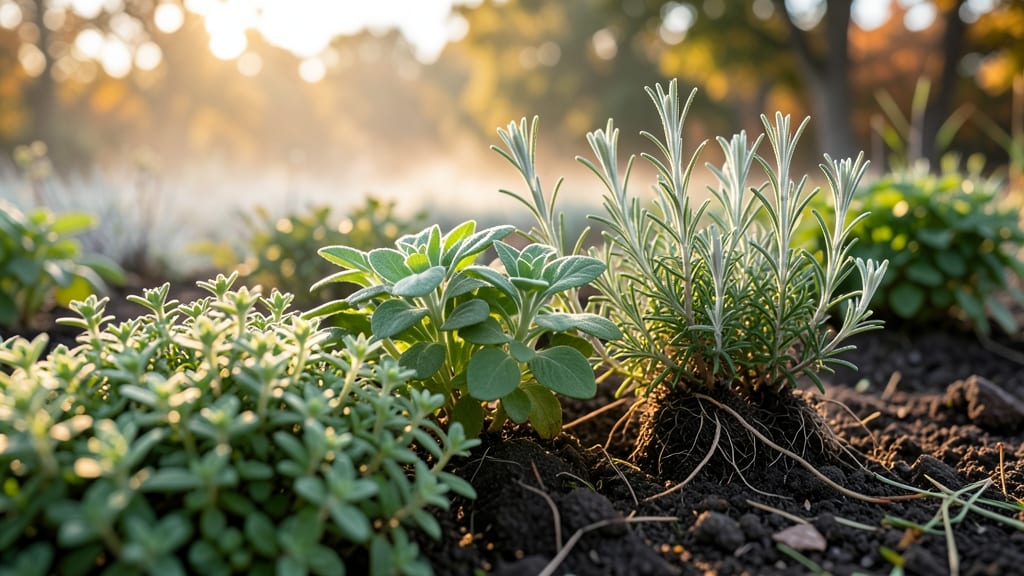
October gardening isn’t over—it’s prime time for cold-hardy crops that establish roots before winter. These 10 frost-resistant seeds will reward you with early harvests or lush growth next spring, even in cooler climates.
Garlic Cloves for Overwintering Planting
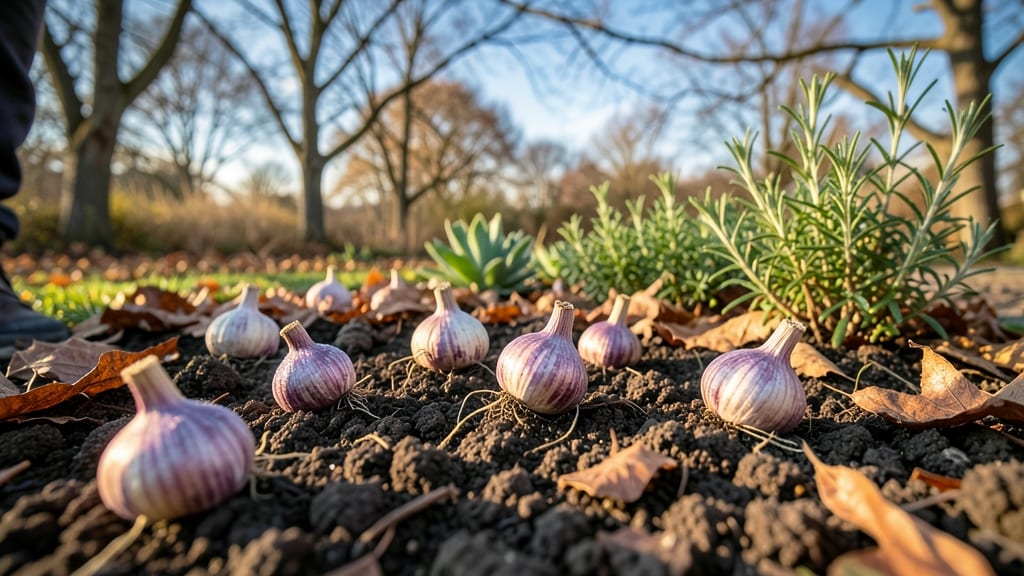
Skip the spring rush and plant garlic cloves in October—this simple act transforms next summer’s harvest into plump, flavorful bulbs with almost no effort. Unlike spring-planted garlic, fall-sown varieties establish roots before winter, making them drought-tolerant and resilient against pests.
Break apart hardneck or softneck varieties (like Rocambole or Silverskin) and plant individual cloves 2 inches deep in well-drained soil, 6 inches apart. A light mulch of straw protects them through freezing temps while suppressing weeds. The key? Plant before your first hard frost—roots grow slowly in cold soil, but the bulbs will thrive with minimal spring care.
Organic gardeners love this method because garlic naturally deters pests like aphids and Japanese beetles, improving soil structure over time. Perfect for low-maintenance gardeners who want big rewards with minimal winter work. 🌱
Spinach Seeds for Quick Winter Harvests
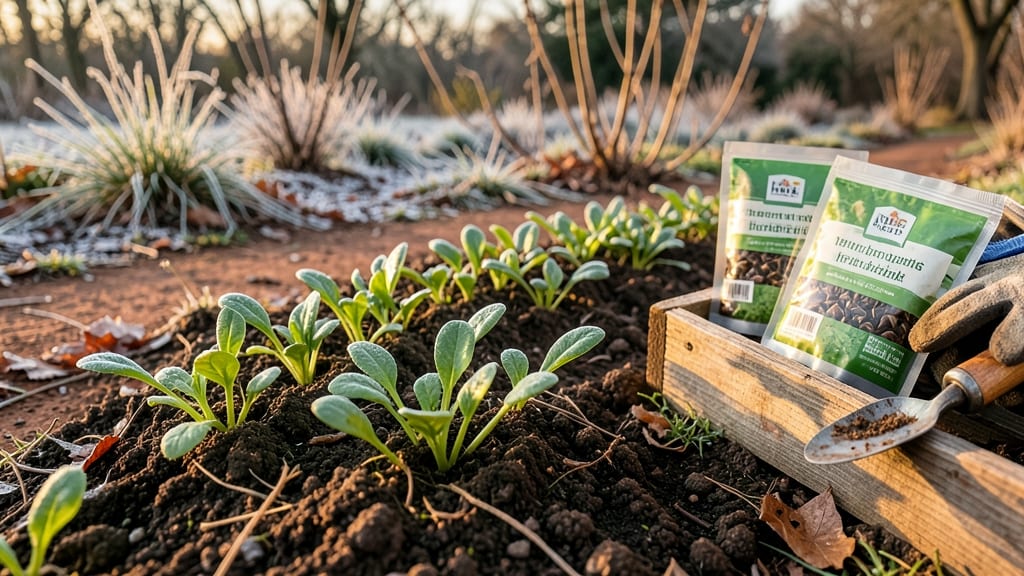
Skip the spring wait—spinach seeds sown in October deliver crisp, nutrient-packed leaves in just 30 days, turning your garden into a winter salad bar. This cold-hardy green thrives in temperatures as low as 20°F, making it ideal for late-season harvests before frost sets in permanently.
For best results, choose baby leaf varieties like 'Baby’s Leaf Hybrid' or 'Tyee' for quick harvests. Plant seeds ½ inch deep and 1 inch apart in well-drained soil, then water gently to avoid disturbing the seeds. A light mulch of straw helps retain moisture while protecting tender seedlings from temperature swings.
This is the perfect crop for urban gardeners with limited space or beginners craving fast rewards—just snip outer leaves as needed to keep plants productive all winter long. 🌱
Peas for Early Spring Sprouts
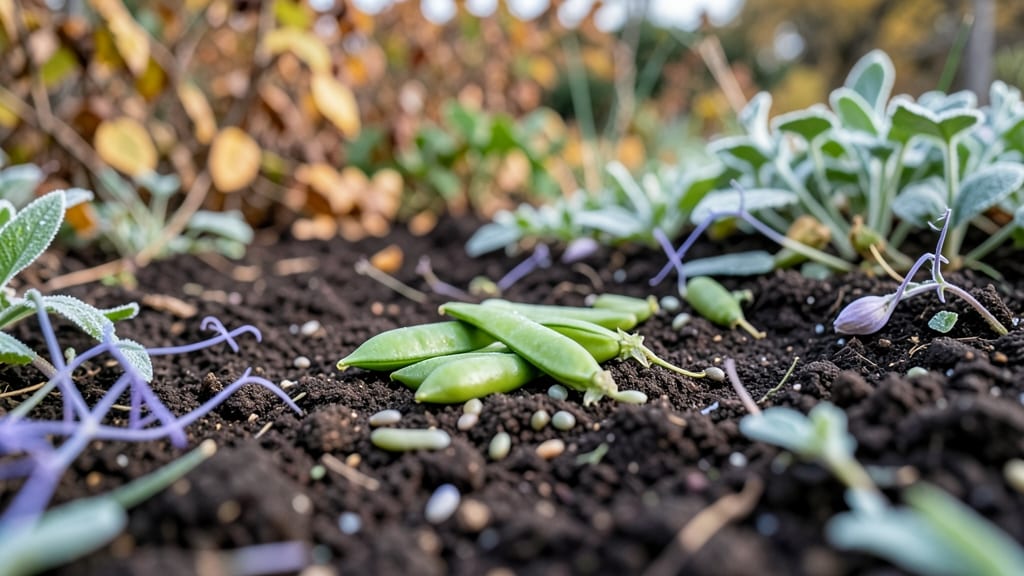
Want to enjoy fresh peas before your neighbors even think about planting? Sowing sugar snap or shelling peas in October gives them a head start, with vines emerging early next spring when temperatures warm. Their cold-hardy nature means they’ll survive winter dormancy and produce sweet pods weeks ahead of spring-planted varieties.
Maximize your small space by training vines up a 3-4 foot trellis, which also keeps pods cleaner and easier to harvest. Plant seeds 1 inch deep and 2 inches apart in well-drained soil, and consider adding a light row cover if your winters are harsh. Peas thrive in cooler temperatures (40-75°F) and fix nitrogen in the soil, benefiting subsequent plantings.
This method is perfect for urban gardeners with limited space or balcony planters—just ensure your trellis is sturdy enough to support the weight. You’ll be the first on the block with homegrown peas! 🌱
Kale Seeds for Frost-Enhanced Flavor
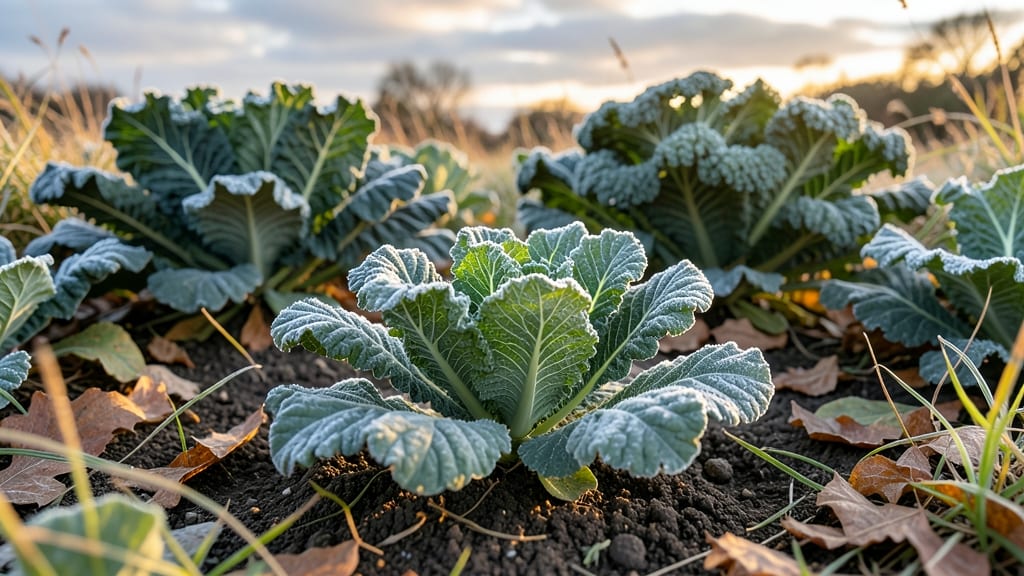
Want sweeter, more tender kale without the summer pests? Plant kale seeds in October—the magic happens when a light frost transforms their flavor into something almost caramel-like. This timing also means fewer aphids and cabbage worms, giving you a low-maintenance harvest.
Choose curly, lacinato (Dinosaur), or red Russian varieties for diverse textures and colors. Space seeds 12-18 inches apart in well-draining soil with at least 4 hours of sun daily, and mulch with straw to protect roots during temperature swings. Harvest outer leaves as needed, letting the plant keep producing through winter.
This is the perfect crop for urban gardeners with limited space or anyone who loves hearty greens. With just a little frost, your kale will taste like a gourmet treat—no fancy recipes required. 🌱
Onion Sets for Next Year’s Harvest
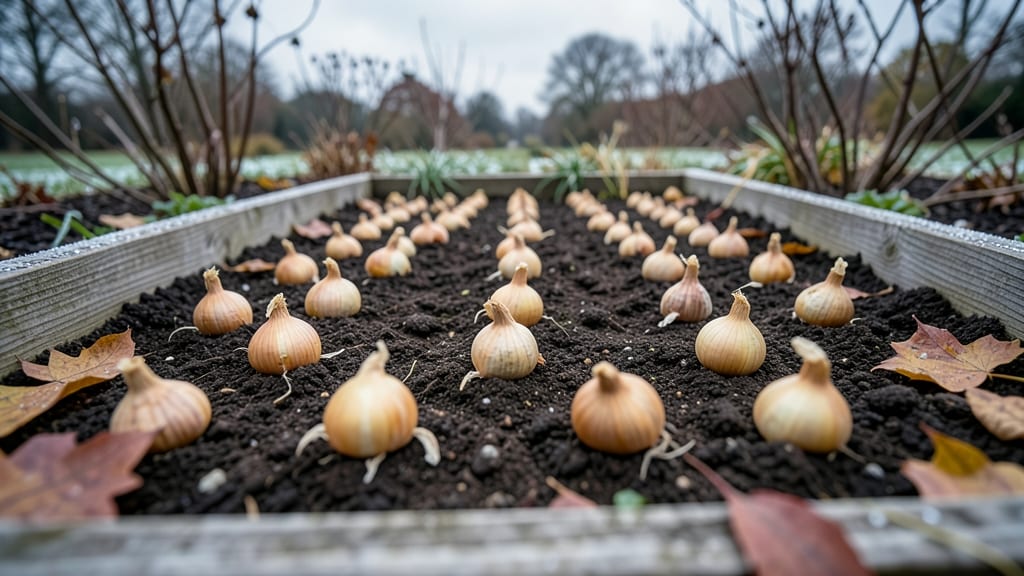
Skip the spring rush and grow bigger, sweeter onions by planting sets in October—this simple trick works especially well in Zone 5-7, where winter chill actually improves flavor and bulb size.
Onion sets (small bulbs) need just 4-6 weeks of warm soil before dormancy, so aim for planting by mid-October. Space them 4 inches apart in loose, well-draining soil amended with compost, then mulch heavily with straw to protect roots. Unlike spring-planted onions, these won’t compete with weeds all season—just let them overwinter and emerge early next spring.
This method is perfect for gardeners who hate spring planting chaos or want to reclaim garden space earlier. You’ll harvest larger bulbs with less effort—ideal for storage or fresh eating all summer. 💚
Radish Seeds for Fast Fall Greens
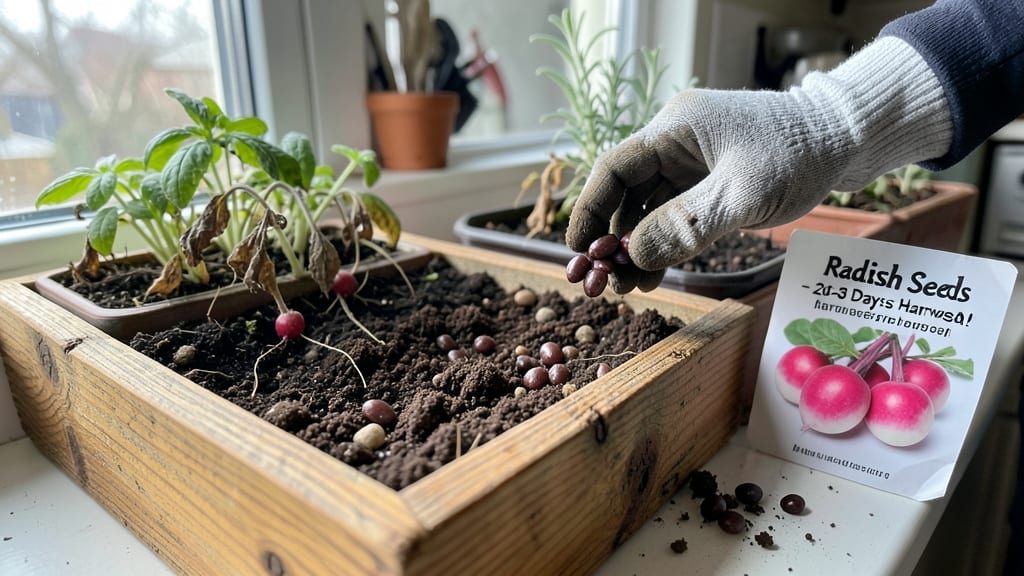
Want a fast, rewarding harvest before winter takes over? Plant radish seeds in October for a peppery, crunchy treat in just 20-30 days—no waiting months for results!
These hardy roots thrive in cool weather and tolerate light frost, making them perfect for container gardens or succession planting every 2 weeks. Choose quick-maturing varieties like Cherry Belle or French Breakfast for reliable harvests. Sow seeds ½ inch deep in well-draining soil, keeping them moist until germination (5-7 days).
Urban gardeners and beginners will love radishes—they’re low-maintenance, space-efficient, and deliver instant gratification when other crops are winding down. 🌱
Clover Seeds for Winter Soil Cover
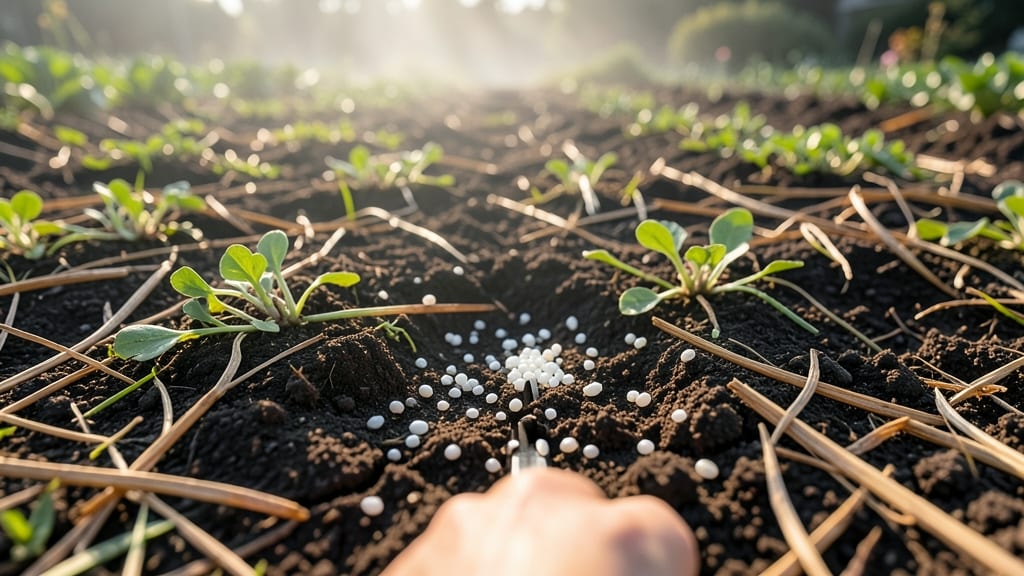
Tired of bare soil over winter? White Dutch clover is your secret weapon—this hardy cover crop thrives in October’s cool temperatures, smothering weeds while adding nitrogen-rich organic matter to your soil naturally.
Simply scatter seeds after your last harvest, then rake lightly into the top inch of soil. The low-growing plants will blanket your beds, protecting them from erosion and suppressing weeds until spring. Unlike synthetic fertilizers, clover’s roots break down into a slow-release nutrient boost that feeds your spring crops. It’s especially valuable for organic gardeners who want to build soil health without chemicals.
Perfect for gardeners who want to work with nature, not against it—just mow or till it under in spring for instant compost. 💚
Mustard Greens for Bold Winter Salads
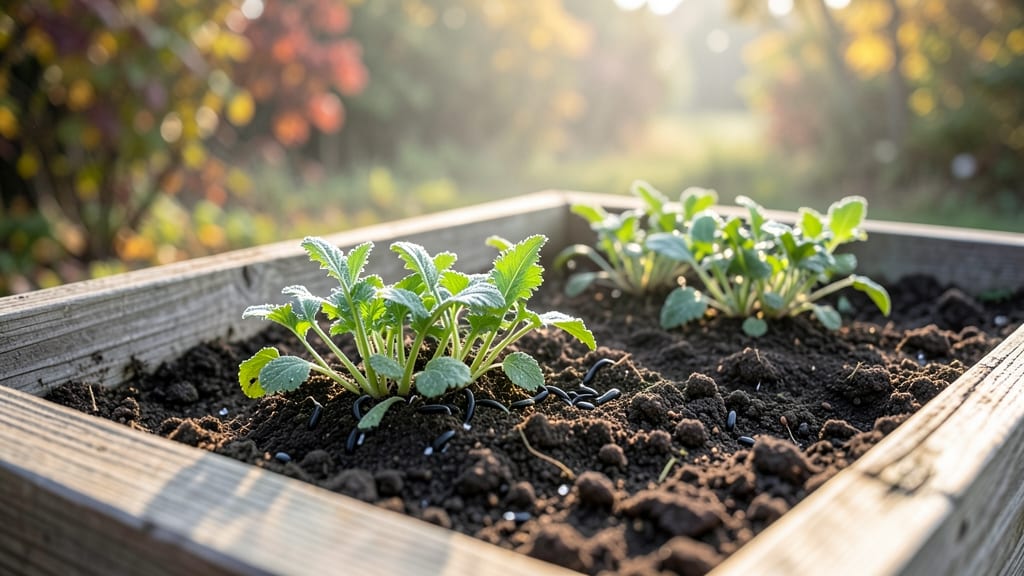
Skip the summer heat and grow mustard greens this October for a peppery, frost-sweetened harvest that’s easier to grow than you’d expect. This hardy leafy green thrives in cool weather, adding a bold flavor to winter salads without demanding constant attention.
Sow seeds directly into well-drained soil with full sun to partial shade, spacing them 6-12 inches apart. Mustard greens tolerate light frost and even light snow, making them one of the most resilient late-season crops. For best results, keep soil consistently moist but avoid waterlogging—this prevents bolting and ensures tender leaves. Harvest outer leaves as needed, leaving the center to keep producing.
This is the perfect crop for beginner gardeners or anyone short on time—it grows quickly (30-50 days to maturity) and requires minimal care. Plus, the leaves become sweeter after frost, making them a standout addition to your winter garden. 🌱
Broad Beans for Early Spring Pods
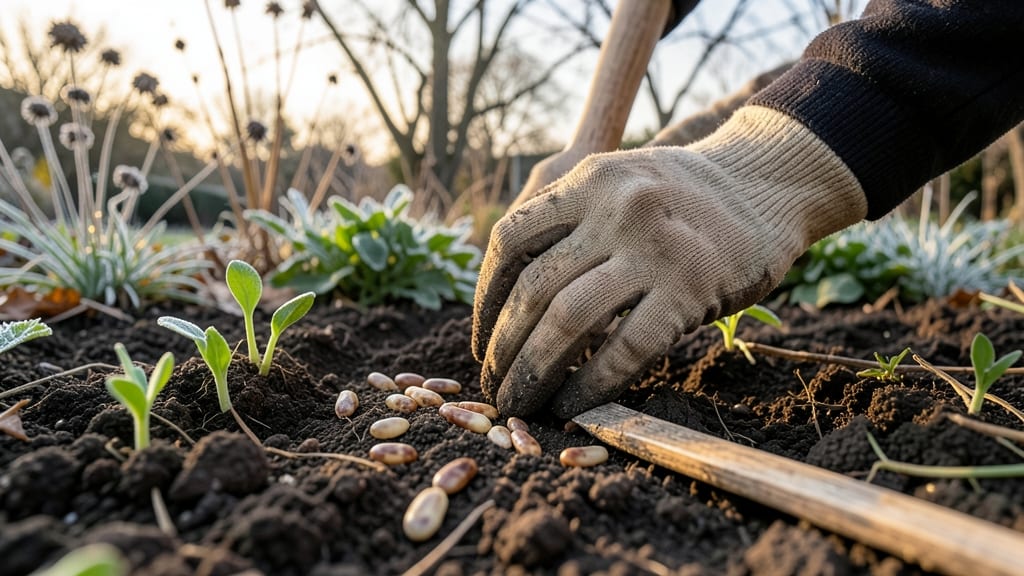
Skip the spring rush and enjoy early spring broad bean pods by planting in October! These hardy legumes thrive through winter, delivering sweet, tender harvests as soon as late April—perfect for gardeners in USDA Zones 4-8 who crave a legume head start.
Sow seeds 2-3 inches deep in well-drained soil with a pH of 6.0-7.5, and space plants 6-12 inches apart to prevent disease. Broad beans fix nitrogen in the soil, improving next year’s crops while requiring no fertilizer. Mulch with straw to protect roots from freezing temperatures, and watch for delicate white flowers that precede pods.
This low-maintenance crop is ideal for beginner gardeners or those with limited space—just a 4-foot row yields enough pods for fresh eating or freezing. Beat the spring crowd and enjoy homegrown legumes months ahead of schedule! 🌱
Perennial Herbs for Year-Round Use

Skip the spring herb rush—planting perennial herbs like thyme, oregano, or rosemary in October means they’ll establish strong roots before winter, giving you year-round harvests with almost no spring work. These hardy plants thrive in cooler temperatures and often survive mild winters, so you’ll have fresh flavors ready by next summer.
Choose slow-growing varieties like creeping thyme or Greek oregano for best results—they’ll spread gently without taking over. Plant in well-draining soil with full sun exposure, and mulch lightly to protect roots during freeze-thaw cycles. Once established, these herbs require minimal watering and resist most pests, making them ideal for low-maintenance gardeners.
Perfect for urban gardeners with small spaces or busy schedules, perennial herbs cut down on annual replanting and provide continuous harvests for cooking, teas, or garnishes. 🌿