
Planting
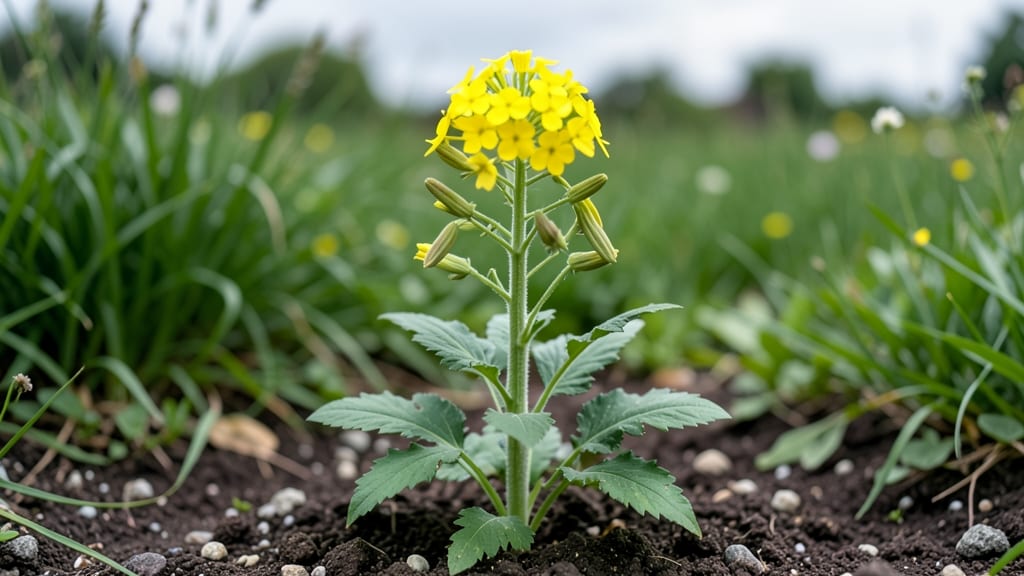
Growing a sinapis alba plant is one of the fastest ways to boost your garden’s pollinator power and natural pest control—this hardy annual sprouts in just 5-7 days and thrives in Zone 6a’s cool spring soil.
Picture this: bees buzzing over neon-yellow blooms while cabbage worms take a detour, all because you tucked in a few rows of white mustard 🌱. It’s not just a cover crop—it’s a game-changer for organic gardeners who want results without the fuss.
This fast-growing mustard handles frost like a champ, making it perfect for early spring planting (March-April) or fall succession. Whether you’re using it to feed pollinators, smother weeds, or add greens to your plate, the versatility is unmatched.
Below, I’ll walk you through the easiest way to grow it—soil, spacing, watering, and all—plus how to pair it with other plants for maximum benefits. Ready to turn your garden into a buzzing, thriving ecosystem?

Why Sinapis alba is a must-have for pollinator gardens and pest control
If you're looking for a fast-growing, pollinator-friendly plant that thrives in cool climates and repels pests, Sinapis alba—commonly known as white mustard—should be at the top of your list.
This hardy annual isn’t just a powerhouse for bees and beneficial insects; it’s also a natural ally in organic gardening. With its rapid germination (just 5-7 days) and nectar-rich flowers, it creates an instant haven for pollinators while keeping unwanted pests at bay.
One of the standout features of Sinapis alba is its ability to deter common garden pests like aphids and cabbage worms without resorting to chemical sprays. The plant’s strong scent acts as a natural repellent, making it a must-have for organic gardeners.
Meanwhile, its bright yellow flowers attract bees, hoverflies, and parasitic wasps, which help control garden pests naturally by preying on harmful insects.
🌱 Key Benefits of Sinapis Alba:
- Fast germination (5-7 days) for quick ground cover
- Attracts pollinators like bees and hoverflies
- Repels pests like aphids and cabbage worms
- Thrives in cool climates and poor soils
- Easy to grow with minimal maintenance
| Feature | Details |
|---|---|
| Germination Time | 5-7 days |
| Pollinator Attraction | Bees, hoverflies, parasitic wasps |
| Pest Deterrence | Aphids, cabbage worms |
| Sunlight Needs | Full sun (6+ hours) |
| Soil Tolerance | Well-draining, poor to average |
| Mature Height | 2-3 feet |
| Best Planting Time | Early spring/fall |
| Growth Cycle | Annual, fast-growing |
The bright yellow flowers of Sinapis alba are a magnet for bees and other pollinators, providing them with rich nectar during early spring when few other plants are blooming. This makes it an essential addition to pollinator gardens, especially in regions with short growing seasons.
The plant’s ability to self-seed also ensures that it will return year after year, creating a self-sustaining ecosystem for beneficial insects.
Beyond its benefits for pollinators, Sinapis alba is a natural pest control solution. Its strong scent confuses and repels aphids, cabbage worms, and other common garden pests.
This makes it an excellent companion plant for vegetable gardens, particularly for cruciferous vegetables like broccoli, cabbage, and kale, which are often targeted by these pests. By planting Sinapis alba nearby, you can reduce the need for chemical pesticides while keeping your garden thriving.
Another advantage of Sinapis alba is its tolerance for poor soil conditions. Unlike many plants that require rich, fertile soil, white mustard thrives in well-draining, slightly acidic to neutral soils.
This makes it an ideal choice for gardeners with challenging soil or those looking to improve soil health by planting it as a cover crop. When tilled into the soil, its green manure properties enrich the soil with nitrogen and organic matter, promoting healthier plants in subsequent seasons.
For gardeners in cooler climates, Sinapis alba is a reliable choice because it tolerates light frosts and can be planted early in the season.
Its fast growth rate means you’ll see results in just a few weeks, making it perfect for quick ground cover or filling gaps in flower beds.
Whether you're aiming to boost pollinator populations, control pests naturally, or improve soil quality, this plant delivers exceptional results with minimal effort.
Incorporating Sinapis alba into your garden is a simple yet effective way to support ecosystem health while reducing your reliance on chemical interventions. Its versatility, low maintenance, and multiple benefits make it a standout choice for both beginner and experienced gardeners alike.
Start sowing seeds this season and watch your garden transform into a pollinator paradise while keeping pests in check!
How to grow and maintain Sinapis alba for maximum benefits
Sinapis alba, or white mustard, is one of the easiest annuals to grow, making it perfect for beginner gardeners and seasoned pros alike. With its fast germination (just 5-7 days!) and ability to thrive in cool conditions, it’s an excellent choice for early spring or fall planting. This versatile plant not only attracts pollinators but also acts as a natural pest deterrent, keeping aphids and cabbage worms at bay.
To ensure your Sinapis alba thrives, focus on well-draining soil with a slightly acidic pH (6.0-6.8). This plant is remarkably adaptable but performs best in loose, fertile soil enriched with compost.
Whether you're growing it for its edible greens, as a cover crop, or to boost your garden’s biodiversity, proper care will maximize its benefits.
⚠️ Avoid Overcrowding Your Sinapis Alba Plants
Spacing is critical for healthy growth. Plant seeds 12-18 inches apart to prevent competition for nutrients and reduce disease risk. Overcrowding leads to stunted growth and poor flowering, which cuts down on pollinator attraction. If you're using it as a cover crop, you can sow more densely (6-12 inches apart) but still ensure good airflow.
Pro Tip: Thin seedlings to the recommended spacing once they reach 2-3 inches tall to avoid disturbing roots later.
Timing your Sinapis alba planting is key. Sow seeds in early spring (as soon as soil is workable) or late summer/fall for a second harvest. This plant tolerates light frost, making it ideal for cooler climates.
For best results, aim to plant 4-6 weeks before your last frost date to ensure a full growing season before bolting.
Watering Sinapis alba is straightforward but requires consistency. Keep the soil evenly moist (not soggy) during germination and early growth. Once established, reduce watering to every 5-7 days, allowing the top inch of soil to dry slightly between sessions.
Morning watering prevents fungal diseases and ensures plants dry quickly, which is especially important as they mature.
Boost your garden’s ecosystem by pairing Sinapis alba with complementary plants like dill, borage, or calendula. These companions attract even more pollinators and deter pests naturally. For example, dill’s strong scent masks the scent of nearby vegetables, while borage repels tomato hornworms.
Always rotate crops annually to maintain soil health and prevent disease buildup.
Harvest young leaves for salads or use the entire plant as a green manure before it bolts. If left to flower, it will produce seeds that attract beneficial insects like parasitic wasps.
Regularly deadhead spent blooms to encourage continuous flowering and extend the plant’s usefulness in your garden. With minimal effort, Sinapis alba delivers maximum rewards!