
Planting
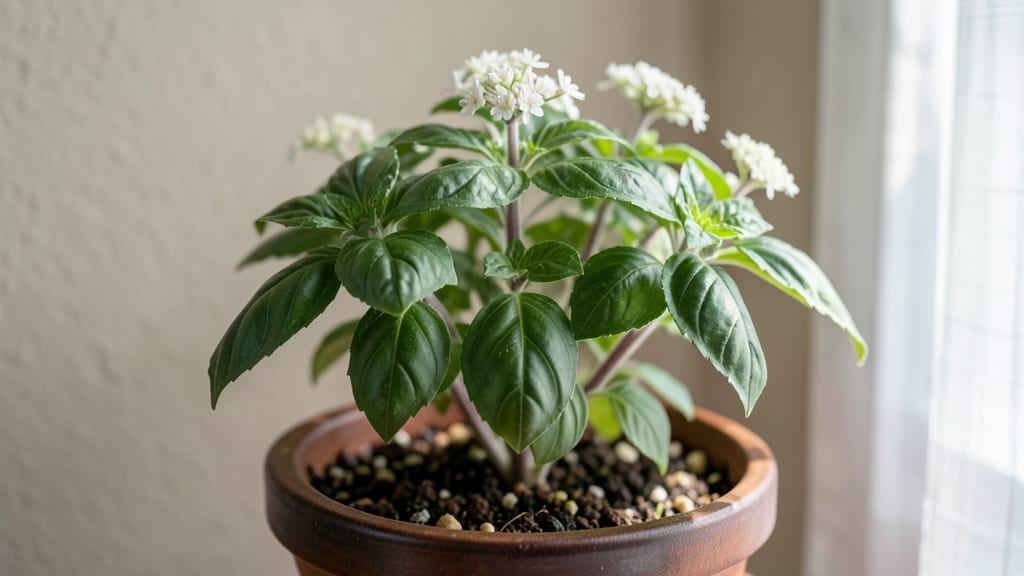
A single basil plant can feed your kitchen for months—no garden required. 🌱 I’ve grown basil in everything from sunlit windowsills to tiny balcony pots, and the secret isn’t complicated: match its needs to your space.
One plant yields enough leaves for pesto, sandwiches, and sauces, with proper care. The key is sunlight, water, and knowing when to pinch those leaves back.
Basil thrives in 6+ hours of direct sun daily, so a south-facing window or balcony works perfectly. Use well-draining potting mix (no heavy garden soil) and a pot with drainage holes—6-8 inches deep is ideal.
Water when the top inch of soil feels dry, but never let it sit in soggy soil. Overwatering kills basil faster than anything else.
Pruning is where the magic happens—pinch off the top set of leaves when the plant hits 6 inches tall. This encourages bushier growth and more harvests. Keep snipping throughout the season, and you’ll have a constant supply of fresh basil without needing a jungle of pots.
The smell alone makes it worth the effort.
Troubleshooting is simple: yellow leaves mean too much water, droopy stems mean it’s thirsty, and flowers? Snip them off immediately—they signal the plant to stop producing leaves. With these basics, your single basil plant will stay productive for months, even in the smallest spaces.
📚 In This Guide
- What you need
- Instructions
- Tips and common mistakes
- Wrapping up and next steps
What you need
- ● 1 basil seedling or seed: Choose Genovese, Thai, or Purple basil for variety. Seeds or a nursery-start plant work!
- ● 5-6 inch container: A pot with drainage holes (plastic, terracotta, or fabric grow bag). Pro tip: A 6-inch diameter pot is ideal for a single plant.
- ● High-quality potting mix: A well-draining, organic mix (avoid garden soil—it compacts!). Look for labels like "seed-starting mix" or "herb mix."
- ● Watering can or spray bottle: Keep watering gentle to avoid disturbing roots.
- ● Balanced liquid fertilizer (5-5-5 or 10-10-10): Dilute to half-strength for feeding.
- ● Pruning shears: For harvesting and trimming (sterilize with rubbing alcohol!).
- ● Grow lights or sunny windowsill: Basil needs 6+ hours of sunlight daily. A full-spectrum LED grow light works indoors.
- ○ Mulch or pebbles: Retains moisture and keeps roots cool (optional but handy!).
- ● Support stake or small cage: Basil grows upright but may need support as it matures.
- ● Warm, bright location: Basil thrives in 65–80°F (18–27°C) temperatures.
- ● Patience: Germination takes 7–14 days if starting from seed.
- ● Consistency: Basil loves regular watering (keep soil moist but not soggy!).
Step-by-step instructions for growing a single thriving basil plant
Here’s how to coax a single basil plant into a lush, productive harvest—even on a windowsill.
🌱 Step 1: Select and Prepare the Right Container
Basil thrives in 6-8 inches of soil depth, so choose a pot with drainage holes and a diameter of at least 6 inches. I prefer terracotta because it breathes and prevents root rot, but any container works as long as it’s not plastic without drainage. Fill it halfway with high-quality potting mix—never garden soil, which compacts and cuts off oxygen to roots.
Press the soil down lightly until it’s firm but not packed. You’ll know it’s right when your finger leaves a slight imprint but doesn’t sink in. Add a handful of perlite or vermiculite to improve drainage, especially if your mix feels dense. This ensures roots stay aerated and water flows freely, preventing soggy soil that drowns delicate basil stems.
☀️ Step 2: Plant and Position for Maximum Light
Gently remove your basil from its nursery pot and loosen the roots if they’re circling. Place it in the center of your container and fill the remaining space with soil, pressing lightly to eliminate air pockets. Water immediately until moisture seeps from the drainage holes—this settles the soil and removes any air gaps around the roots.
Basil demands 6+ hours of direct sunlight daily. A south-facing window is ideal, but if yours lacks intensity, supplement with a grow light positioned 6 inches above the plant. Watch for leggy growth (long, pale stems) as a sign you need more light. Rotate the pot quarter-turn weekly so the plant grows upright instead of leaning toward the sun.
💧 Step 3: Water and Feed for Consistent Growth
Water when the top inch of soil feels dry, but never let the soil stay soggy. Basil’s roots need oxygen, and overwatering suffocates them. I use room-temperature water to avoid shocking the roots—cold water can stunt growth. After watering, let excess drain completely; empty the saucer after 10 minutes to prevent root rot.
Feed every 2-3 weeks with a balanced liquid fertilizer (10-10-10 or similar). Dilute to half-strength to avoid burning tender leaves. You’ll notice new leaves emerging within a week of fertilizing—that’s your signal the plant is thriving. Avoid high-nitrogen fertilizers; they promote leafy growth at the expense of flavorful stems.
✂️ Step 4: Prune for Bushier Growth and Harvest Regularly
Pinch off the top set of leaves when the plant reaches 6 inches tall. This encourages branching, giving you more stems to harvest. Use clean scissors or fingers to avoid damaging the stem. New side shoots will form within 1-2 weeks, creating a fuller, bushier plant that produces more leaves.
Harvest leaves from the top third of the plant to keep it compact. Never take more than 1/3 of the plant at once, or you’ll stunt its ability to regrow. The best time to harvest is in the morning, when essential oils (which carry flavor) are at their peak. Regular pruning and harvesting actually stimulate more growth—it’s how you get a continuous supply of fresh basil.
🌿 Step 5: Monitor and Troubleshoot Common Issues
Yellowing leaves often signal overwatering or poor drainage. Let the soil dry slightly between waterings, and check that your pot has adequate drainage. Brown edges on leaves usually mean underwatering or too much sun—move the plant to a slightly shadier spot and water deeply. Pests like aphids are rare but can appear on stressed plants; blast them off with water or use neem oil if they persist.
Watch for flower buds, which signal the plant is ready to bolt (go to seed). Pinch them off immediately—they drain energy from leaf production and make the plant bitter. If your basil bolts anyway, harvest the leaves quickly before they turn tough. With consistent care, your single plant can produce enough basil for months, even in the smallest space.
Tips & tricks for perfecting your single basil plant
These insider tricks will help you coax maximum flavor and growth from your single basil plant without taking over your kitchen.
Container Selection: While terracotta is ideal, avoid glazed ceramic pots—they trap moisture and promote root rot. If using plastic, drill drainage holes yourself if they're not included. I've found that pots with multiple drainage holes (like self-watering containers) actually work better than single-hole designs, as they prevent water pooling at the bottom.
Light Strategy: That 6+ hours of sunlight is non-negotiable, but don't assume all windows are equal. Test your spot by placing a piece of paper in sunlight for 6 hours—if it doesn't get fully exposed, you'll need that grow light. For indoor grow lights, I recommend LED bulbs that mimic sunlight spectra (look for full-spectrum options) rather than basic white bulbs, which can cause leggy growth.
Watering Technique: The "top inch dry" rule works, but here's how to check properly: Stick your finger about an inch into the soil. If it feels dry at that depth, water thoroughly. For the 10-minute drainage rule, I actually set a timer—this prevents that classic overwatering mistake where people assume "drained" means "empty."
Pruning Insight: When pinching those top leaves at 6 inches, aim to remove about 1/4 of the plant's height. This shock to the system triggers that bushier growth response. I've seen people hesitate to prune because they think they're harming the plant, but this is actually what stimulates more leaves. The new growth from those pinched spots will be your most flavorful harvest.
Pro Tips for Single Basil Plant
- These insider tricks will help you coax maximum flavor and growth from your single basil plant without taking over your kitchen.
- Container Selection: While terracotta is ideal, avoid glazed ceramic pots—they trap moisture and promote root rot.
- Light Strategy: That 6+ hours of sunlight is non-negotiable, but don't assume all windows are equal.
Frequently asked questions
Got questions about growing a single basil plant? You’re not alone! Here are answers to the most common queries to help you cultivate a thriving herb—even in tight spaces.
How much sunlight does a single basil plant need?
A single basil plant thrives in 6–8 hours of direct sunlight daily. If you’re growing it indoors, place it near a south-facing window or use a grow light for 12–14 hours/day. Without enough light, leaves may turn pale or leggy. Rotate the pot occasionally for even growth!
How long does it take for a single basil plant to grow?
From seed, expect sprouts in 7–14 days, and harvest-ready leaves in 6–8 weeks. If you start with a young plant, you can pinch leaves for cooking in 4–6 weeks. Patience pays off—regular pruning keeps it bushy and productive for months!
How often should I water a single basil plant?
Water your basil when the top inch of soil feels dry—usually every 2–3 days in warm weather. Overwatering causes root rot, so ensure the pot has drainage holes. A spray bottle works for gentle hydration, and mulching helps retain moisture. Consistency is key!
Can I grow basil in a small pot or container?
A single basil plant does well in a 6–8 inch pot with drainage. Use lightweight potting mix and fertilize every 4–6 weeks with a balanced liquid fertilizer. If roots outgrow the container, transplant to a larger pot or prune to encourage bushier growth.
What should I do if my basil leaves turn yellow?
Yellow leaves often signal overwatering, underwatering, or pests. Check the soil moisture first—adjust your watering routine. Inspect the undersides of leaves for aphids or spider mites (wipe with soapy water if found). If the issue persists, repot in fresh soil to rule out root rot.
How do I harvest basil from a single plant without killing it?
Pinch off leaves from the top and sides, leaving at least 4–6 inches of growth to encourage new shoots. Avoid cutting stems—this can stress the plant. Regular harvesting (every 2–3 weeks) promotes bushier, more productive growth. Pro tip: Harvest in the morning for the freshest flavor!
Wrapping up and next steps
Growing a single basil plant in small spaces is not only possible—it’s rewarding! With the right care, you’ll enjoy a bountiful harvest of fragrant leaves perfect for cooking, teas, or even pest-repellent remedies.
Whether you’re a beginner or a seasoned gardener, this little green friend proves that big flavors come in tiny packages.
Ready to take the next step? Start small, experiment with varieties, and watch your confidence—and basil—grow! 🌱✨