
Planting
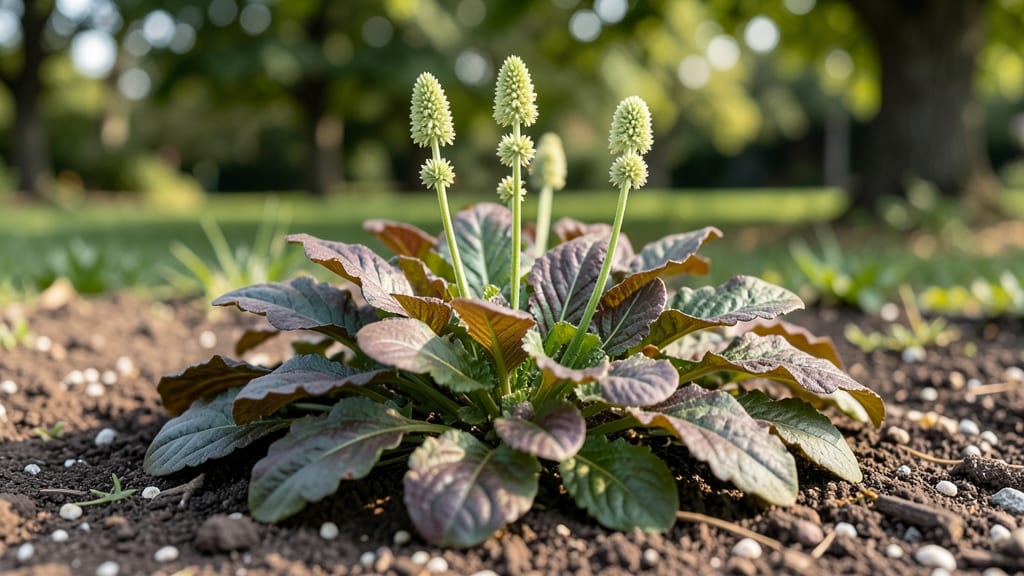
Mastering sorrel plant care in containers is easier than you think—this tangy, lemony green thrives in small spaces with minimal fuss. 🌿 I’ve grown sorrel for years in pots on my balcony, and once you understand its simple needs, you’ll have fresh leaves all season long without the space or soil stress of an in-ground garden.
The key is replicating its natural environment: partial shade (morning sun, afternoon shade works best), moist but well-draining soil (a mix of potting soil and compost), and containers with drainage holes (at least 6 inches deep).
Sorrel hates soggy roots, so if your pot lacks drainage, add a layer of pebbles at the bottom. Overwatering is the #1 mistake beginners make—let the top inch of soil dry out between waterings.
You’ll harvest vibrant, tangy leaves within 4-6 weeks of planting, and the plant keeps producing if you snip regularly. The more you cut, the bushier it grows—perfect for salads, soups, or as a garnish.
Just avoid letting it flower, as that shifts energy from leaves to seeds, making the foliage bitter.
Container sorrel is surprisingly hardy: it handles cooler temperatures better than many greens and even overwinters in mild climates. If pests like slugs or aphids appear, a quick spray of soapy water or introducing ladybugs usually clears them up.
The real secret? Sorrel’s low-maintenance nature makes it a foolproof choice for busy gardeners or small spaces.
📚 In This Guide
- What you need
- Instructions
- Tips and common mistakes
- Wrapping up and next steps
What you need
- ● Container: A pot or grow bag with drainage holes, at least 12 inches deep and 10–12 inches wide (sorrel loves space!).
- ● Potting Mix: A high-quality, well-draining mix (e.g., 60% peat moss or coconut coir + 40% perlite/sand). 1–2 gallons per container.
- ● Sorrel Seeds or Plants: Seeds: 3–5 seeds per container (or 1 seed per cell in a seed tray).
- ● Young Plants: 1–2 plants per container (transplant after hardening off).
- ○ Fertilizer: A balanced, acid-loving plant fertilizer (e.g., 10-10-10 or fish emulsion). Optional but recommended.
- ● Watering Can or Spray Bottle: For gentle, deep watering (sorrel hates soggy roots!).
- ○ Mulch: Optional but helpful: Pine needles or shredded leaves (1 inch thick) to retain moisture and acidity.
- ● pH Test Kit: To check soil acidity (ideal range: 5.5–6.5).
- ● Garden Gloves: For handling prickly leaves or soil.
- ● Shade Cloth: If your sorrel gets too much midday sun (especially in hot climates).
- ● Epsom Salt: A magnesium boost (1 tbsp per gallon of water, monthly).
Step-by-Step sorrel plant care for container success
Here’s how I keep sorrel thriving in containers—acid-loving greens that reward patience with bold flavor.
🪴 Step 1: Select the Right Container and Soil Mix
Choose a container with drainage holes—sorrel hates soggy roots—and at least 6 inches deep per plant. I’ve found unglazed clay pots work best because they wick away excess moisture while retaining acidity. Fill with a well-draining, acidic potting mix (pH 5.5-6.5). A blend of 50% peat moss, 30% perlite, and 20% compost mimics its native woodland soil.
Before planting, moisten the mix until it’s damp but not dripping. Press it lightly to remove air pockets—this prevents root suffocation. Sorrel roots are shallow but spread aggressively, so a 12-inch pot comfortably supports 4 plants for harvests all season.
🌱 Step 2: Plant and Space for Optimal Growth
Dig holes twice as wide as the root ball but no deeper. Gently loosen roots if they’re circling—this encourages outward growth. Place each plant so the crown sits just below soil level; burying it too deep invites rot. Space plants 8-10 inches apart in larger containers to allow airflow and prevent fungal issues.
Cover roots with soil and tamp lightly to eliminate gaps. Water immediately after planting to settle the soil and remove air pockets. Sorrel’s first true leaves appear in 10-14 days—watch for this signal that roots have established. Overcrowding leads to weak stems and disease, so resist the urge to squeeze in extra plants.
☀️ Step 3: Master Light and Watering for Acidic Greens
Sorrel thrives in partial shade (morning sun + afternoon shade) but tolerates full shade in hot climates. Direct afternoon sun scorches leaves, so I position containers under dappled light or use a sheer curtain. In low-light spots, growth slows but won’t stop—just expect smaller leaves.
Water when the top inch of soil feels dry. Sorrel’s shallow roots need consistent moisture but despise soggy conditions. I use a self-watering pot in summer to maintain even dampness without overwatering. Yellowing leaves? You’re either underwatering or overwatering—check the soil before panicking.
✂️ Step 4: Harvest and Prune for Continuous Production
Harvest outer leaves when they reach 3-4 inches—never take more than ⅓ of the plant at once. Use clean scissors to cut just above a leaf node to encourage bushier growth. Sorrel regrows quickly, so you’ll have fresh leaves in 2-3 weeks after harvesting. Regular pruning prevents bolting (flowering) and keeps plants compact.
Remove flower stalks immediately—they sap energy from leaf production. I pinch them off at the base with my fingers, then compost them to avoid spreading. In containers, sorrel may live for 3-4 years if you keep it pruned and fed with balanced fertilizer (10-10-10) every 6-8 weeks during growing season.
⏰ Step 5: Overwinter and Protect for Next Season
Before frost, move containers to a cool, sheltered spot (50-60°F) like a garage or under eaves. Reduce watering to once every 2-3 weeks—dormant plants need less moisture. Mulch the soil surface with 1 inch of straw to insulate roots and retain humidity.
In spring, resume regular care. Sorrel often regrows from the same roots, but if leaves yellow or wilt, it’s time to divide the plant. Gently separate clumps and replant in fresh soil—this rejuvenates growth. With proper overwintering, my sorrel plants produce year-round harvests even in cold climates.
Tips & tricks for perfect container-grown sorrel
A few strategic moves will help your sorrel thrive in containers and deliver bold flavor for years to come.
Container Material Matters: Unglazed clay pots are ideal because they breathe and prevent moisture buildup, but plastic containers work too—just add extra drainage holes. I’ve had success with fabric grow bags in summer since they wick moisture away. Whatever you choose, ensure it’s at least 6 inches deep per plant and has adequate drainage holes to prevent root rot. The key is replicating sorrel’s native woodland environment where water drains quickly.
Soil pH is Non-Negotiable: Sorrel demands acidic soil between pH 5.5-6.5. Test your mix with a simple soil pH meter before planting—many store-bought potting mixes are too alkaline. I add a handful of sulfur to my mix to maintain acidity, especially if I notice yellowing leaves. The 50-30-20 peat moss/perlite/compost blend specified in Step 1 is your best starting point, but amend as needed based on testing.
Light Conditions Decode: Sorrel’s partial shade requirement means morning sun with afternoon shade protection. I use a sheer white curtain on my south-facing windows to filter intense afternoon rays. In full shade, growth will be slower but not impossible—just expect smaller leaves. The trick is monitoring leaf color: deep green means perfect light, pale yellow means too much shade, and brown edges mean too much sun. Adjust your plants’ position every few weeks as sun patterns shift with seasons.
Pro Tips for Sorrel Plant Care
- A few strategic moves will help your sorrel thrive in containers and deliver bold flavor for years to come.
- Container Material Matters: Unglazed clay pots are ideal because they breathe and prevent moisture buildup, but plastic containers work too—just add extra drainage holes.
- Soil pH is Non-Negotiable: Sorrel demands acidic soil between pH 5.5-6.5.
Frequently asked questions
How often should I water sorrel plants?
Sorrel thrives with consistent moisture—water when the top inch of soil feels dry. In containers, check daily in hot weather, as they dry out faster. Avoid soggy soil (soggy leaves = rot risk!). Mulch helps retain moisture while keeping roots cool. Pro tip: Morning watering prevents fungal issues.
Can sorrel survive winter outdoors?
Most sorrel varieties are hardy to USDA zones 4-9, but tender leaves may yellow in frost. In colder zones, grow in containers and move indoors near a sunny window. For in-ground plants, mulch heavily or cut back to ground level—new growth returns in spring! Pro tip: Harvest before first frost for the best flavor.
Is sorrel hard to grow compared to other greens?
Not at all! Sorrel is low-maintenance but needs slightly more acidity than spinach or kale. It’s slower to bolt (heat-resistant) and tolerates partial shade better than lettuce. If your soil is alkaline, amend with peat moss or compost. Alternative: Try French sorrel (more tender) or wood sorrel (edible flowers!) for variety.
What pests or diseases should I watch for?
Sorrel attracts aphids, slugs, and leaf miners. Remove pests by hand or spray with soapy water. Overwatering causes leaf spot fungus—space plants for airflow. Yellowing leaves? Check for nutrient deficiencies (feed with compost tea) or overcrowding. Prevent slugs: Surround pots with crushed eggshells.
How do I harvest sorrel without killing the plant?
Harvest outer leaves first, leaving the center intact. Use clean scissors to snip 1–2 inches from stems. For baby leaves, cut just above a set of leaves. Timing: Pick young leaves for milder flavor; older leaves get tangier. Avoid harvesting more than ⅓ of the plant at once—sorrel regrows quickly!
Wrapping up and next steps
Caring for sorrel is a rewarding journey—this hardy, acid-loving plant thrives with just the right balance of sunlight, moisture, and well-draining soil. Whether you’re growing it in containers or garden beds, remember: patience and consistency are key to harvesting those tangy, nutrient-packed leaves.
With these tips, you’ll enjoy a bountiful harvest all season long!
Ready to dive in? Start small—grab a pot, some potting mix, and a sorrel plant, then follow the steps above. Soon, you’ll be savoring homegrown sorrel in soups, salads, or teas! 🌱✨