
Planting
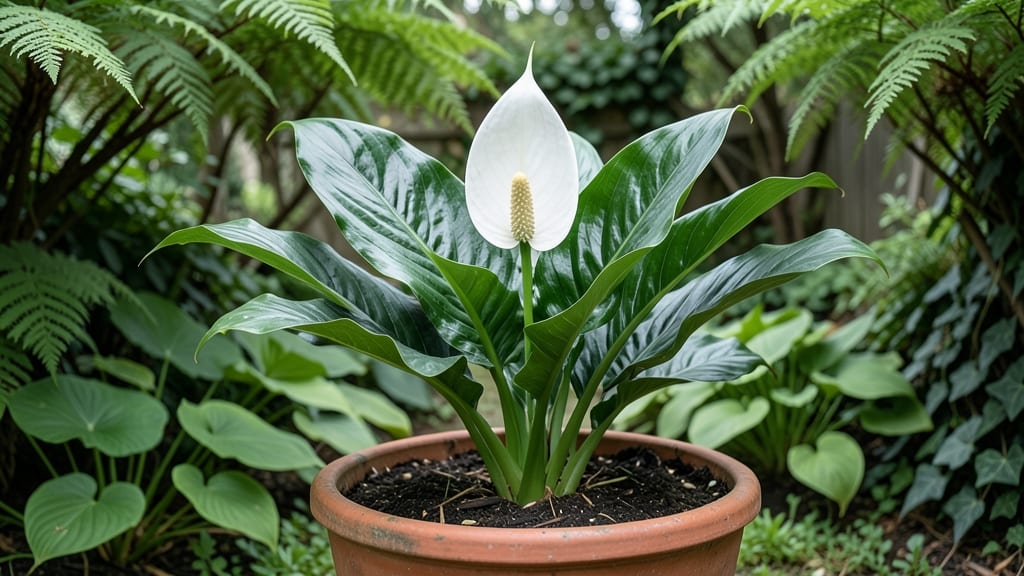
Your spathiphyllum plant outside can thrive—if you treat it like a tropical guest with a heavy coat during chilly months. 🌿 This "peace lily" isn’t built for frost, but with the right spot and seasonal adjustments, it can survive outdoors in USDA Zones 10-12 (or as a summer container plant elsewhere).
The key? Mimicking its native humidity and protecting it from sudden temperature swings that cause those dreaded brown tips.
Start by placing it in partial shade—morning sun and afternoon filtered light work best—where it gets indirect sunlight for most of the day. If you’re in a cooler climate, keep it in a movable container so you can roll it indoors when temps dip below 50°F.
A sheltered porch or patio with afternoon shade is ideal, but avoid windy spots that dry out its leaves too fast. Think of it like dressing your plant for the weather: light layers, not heavy insulation.
With the right setup, you’ll see it reward you with glossy, deep-green leaves and occasional white blooms all summer long. The trade-off? You’ll need to monitor it closely for pests like spider mites (they love dry conditions) and water it more frequently than indoor plants.
But the payoff? A lush, low-maintenance tropical vibe that doesn’t require a greenhouse. Just don’t let it face a hard frost—those leaves won’t forgive that.
For those who want similar looks but zero fuss, consider calatheas or aglaonemas—they handle outdoor conditions slightly better in milder climates. But if you’re committed to your spathiphyllum, this guide will help you keep it happy year-round, even when the weather turns unpredictable.
The secret? Treat it like a pampered houseplant with outdoor privileges, not a full-time garden resident.
📚 In This Guide
- What you need
- Instructions
- Tips and common mistakes
- Wrapping up and next steps
What you need
- ● Spathiphyllum plant – Choose a healthy, mature specimen (potted or bare-root, if transplanting).
- ● Large, breathable container – Minimum 12–18 inches in diameter (for potted plants) with drainage holes. Use fabric grow bags or plastic pots with 5+ drainage holes.
- ● High-quality potting mix – 50% peat moss or coco coir, 30% perlite/pumice, and 20% compost (or a pre-mixed moisture-retentive, well-draining blend).
- ● Mulch – 3–4 inches of organic mulch (e.g., shredded bark, straw, or pine needles) to insulate roots.
- ● Slow-release fertilizer – Balanced 10-10-10 or 20-20-20 (apply ½ strength in spring/fall).
- ● Cold frames or frost blankets – Heavy-duty 30–50 oz. fabric (for sub-50°F temps) or mini greenhouses (for extreme cold).
- ● Watering can or hose with nozzle – Soft spray setting to avoid damaging leaves.
- ● Gloves – Garden or work gloves (to protect from sap and soil).
- ● Pruners or shears – Sterilized, sharp pruners for trimming dead leaves or stems.
- ● pH test kit – Ideal soil pH: 6.0–6.5 (adjust with lime or sulfur if needed).
- ● Support stakes or trellis – If your plant grows tall (2–3 feet), add bamboo stakes for stability.
- ● Thermometer – Soil or air thermometer to monitor temps (critical for cold-hardy zones!).
- ○ Drip irrigation system (optional) – Automates watering for consistent moisture during dry spells.
- ● Epsom salt (magnesium sulfate) – 1 tbsp per gallon of water monthly for yellowing leaves (magnesium deficiency).
Step-by-Step guide to transitioning spathiphyllum plants outdoors
Here's how to safely move your peace lily outside for seasonal growth—without risking shock or cold damage.
🌿 Step 1: Acclimate the Plant Gradually to Outdoor Conditions
Start by placing your spathiphyllum near a protected outdoor area like a covered patio or shaded porch for 2-3 hours daily, beginning 2 weeks before your planned move. This gradual exposure lets the plant adjust to temperature fluctuations and outdoor humidity levels without stress. Watch for leaf curling or drooping—these are signs it's adapting too quickly.
I like to move the plant closer to the door each day, increasing exposure time by 30 minutes until it can handle 4-6 hours of indirect sunlight. Spathiphyllums thrive in 60-75°F temperatures, so avoid moving it outside if nighttime lows dip below 50°F—even brief cold snaps can damage the roots.
☀️ Step 2: Select the Ideal Outdoor Location
Choose a spot with dappled shade—morning sun is ideal, but avoid harsh afternoon rays that can scorch the leaves. The soil should remain consistently moist but never soggy, so test the area by pressing your finger 1 inch deep—if it feels dry, water thoroughly before placing the plant. A 5-gallon container (or larger) ensures stability and prevents root-bound stress.
I always check for wind exposure first—spathiphyllums hate drafts. Place the pot near a wall or under a tree canopy where air movement is minimal. If your outdoor space gets breezy, wrap the pot in burlap or position it between larger plants for natural windbreaks. The goal is to mimic the humid, sheltered conditions of its tropical origins.
💧 Step 3: Adjust Watering and Fertilizing for Outdoor Growth
Outdoor conditions dry soil faster, so water your spathiphyllum when the top 1-2 inches of soil feel dry—about every 2-3 days in warm weather. Use room-temperature water to avoid shocking the roots, and water deeply until it drains from the bottom. I like to add 1 tablespoon of balanced liquid fertilizer (10-10-10) to every 4th watering to support new growth.
Watch for yellowing leaves—this often signals overwatering or poor drainage. If the soil stays wet for more than 24 hours, move the pot to a slightly sunnier spot to encourage evaporation. Mulch the top of the soil with 1 inch of organic mulch (like shredded bark) to retain moisture and regulate temperature swings.
⏰ Step 4: Monitor for Pests and Seasonal Adjustments
Inspect the leaves and undersides of stems weekly for spider mites or mealybugs—common outdoor pests that thrive in dry conditions. Wipe leaves with a damp cloth to remove dust and deter infestations. If you spot pests, isolate the plant and treat with neem oil (mixed as directed) to avoid harming nearby plants.
As temperatures drop below 60°F at night, bring the spathiphyllum indoors or move it to a semi-sheltered area like a garage with ventilation. If frost threatens, cover the pot with burlap and plastic wrap to create a microclimate. The key is to keep the roots above 45°F—any colder, and growth will stall, or worse, roots may rot.
🌱 Step 5: Prepare for Year-Round Outdoor Living (If Possible)
For USDA Zones 10-12, spathiphyllums can stay outside year-round if protected from frost. In cooler climates, dig up the plant in fall, trim dead leaves, and repot it in fresh potting mix before storing it in a cool (55-65°F), bright indoor spot until spring. I always prune yellow or damaged leaves before storage to encourage fresh growth when it returns outside.
Here’s the thing—spathiphyllums reward patience. If you’ve followed these steps, you’ll see new flower spikes within 4-6 weeks of outdoor placement. The secret is consistency: gradual transitions, proper shade, and steady moisture keep them thriving season after season.
Tips & tricks for thriving spathiphyllum outdoor growth
Moving your peace lily outside can be a game-changer for its health—but only if you nail the transition. These practical tricks will help you avoid common pitfalls and keep your plant happy through seasonal changes.
Gradual Transition Timing: The 2-3 hour daily exposure in Step 1 is non-negotiable for tropical plants like spathiphyllums. I've seen plants go into shock when moved too quickly—leaf curling and drooping are your first warning signs. Use a small timer or phone reminder to track those 2-3 hours precisely. If your plant shows stress after just a few days, extend the indoor acclimation by another week before retrying outdoor exposure.
Temperature Monitoring: Spathiphyllums are sensitive to temperature swings, especially those nighttime dips below 50°F mentioned in Step 1. I recommend investing in a small digital thermometer placed near your plant's outdoor location. The key is maintaining daytime temps between 60-75°F—any hotter, and you risk leaf scorch; any cooler, and growth slows dramatically. For early spring/late fall transitions, I often move the plant to a south-facing window during cold nights as a buffer.
Wind Protection Strategy: The instructions mention windbreaks, but here's what nobody tells you—spathiphyllums hate even gentle breezes. I've seen plants with perfectly healthy leaves indoors develop brown tips overnight from wind exposure. Create a double windbreak: first with burlap around the pot, then position it between two larger plants or against a solid wall. For container gardens, consider a lightweight mesh windscreen that allows airflow while blocking harsh winds.
Year-Round Care Planning: For those in USDA Zones 10-12 where year-round outdoor living is possible, start preparing in early fall. I like to gradually reduce watering by 20% starting in September to help the plant harden off slightly. Store a small greenhouse tent or clear plastic dome nearby—you'll need it for sudden cold snaps. The 55-65°F indoor storage range in Step 5 is perfect, but I add a small space heater with a thermostat to maintain consistent temps during winter months.
Pro Tips for Spathiphyllum Plant Outside
- Moving your peace lily outside can be a game-changer for its health—but only if you nail the transition.
- Gradual Transition Timing: The 2-3 hour daily exposure in Step 1 is non-negotiable for tropical plants like spathiphyllums.
- Temperature Monitoring: Spathiphyllums are sensitive to temperature swings, especially those nighttime dips below 50°F mentioned in Step 1.
Frequently asked questions
Got questions about keeping your spathiphyllum (peace lily) thriving outdoors? Here are some of the most common concerns—and how to tackle them!
Can a spathiphyllum survive outside in cold climates?
A spathiphyllum is tropical at heart and cannot survive long-term frost or temperatures below 50°F (10°C). In cold zones (USDA 9+), grow it as an annual or overwinter indoors. For milder climates, move it to a sheltered spot (like a greenhouse or porch) when temps dip below 60°F (15°C). Pro tip: Use frost cloth for extra protection!
How do I prepare my spathiphyllum for winter outdoors?
Start 6–8 weeks before the first frost by gradually reducing water and fertilizing. Trim dead leaves, repot if needed, and place it in a bright, indirect-light spot indoors (e.g., a sunroom or near a south-facing window). Avoid drafts—spathiphyllum hate sudden cold snaps! For outdoor overwintering in Zone 10+, mulch heavily and cover with burlap.
Will my spathiphyllum come back after being outside in winter?
If it’s dormant (brown stems, no leaves), it’s likely dead—these plants rarely regrow from frozen roots. However, if the rhizome (root base) is still firm, it may revive with warmth and water. For best results, treat it as a new plant and propagate from a healthy section if possible. Prevention is key: Never leave it out in freezing temps!
What’s a cold-hardy alternative to spathiphyllum for outdoor growing?
If you love the look but need frost tolerance, try these spathiphyllum-like plants:
- Calathea (tropical but thrives in containers; bring inside at 55°F/13°C)
- Zamioculcas (ZZ plant) (drought-tolerant, survives to 40°F/4°C briefly)
- Philodendron hederaceum (hardy to 40°F/4°C; great for hanging baskets)
- Cast iron plant (Aspidistra) (survives down to 20°F (-7°C) with mulch!)
My spathiphyllum’s leaves are turning yellow/brown after being outside—what’s wrong?
Yellowing often signals overwatering or cold stress. Brown edges or crispy leaves? It’s too dry or windburned. Check these fixes:
- Adjust watering: Let soil dry 1–2 inches between waterings.
- Move to indirect light (direct sun scalds leaves).
- Inspect for pests (e.g., spider mites) under leaves.
- If roots smell rotten, repot in fresh, well-draining mix.
Wrapping up and next steps
Growing your spathiphyllum (peace lily) outside is totally doable with the right prep—whether you're chasing year-round blooms in mild climates or treating it as a seasonal star! 🌿 Remember, gradual acclimation, proper winter protection, and smart container choices are your best friends for keeping this tropical beauty thriving.
Start small, stay patient, and don’t hesitate to experiment with microclimates or temporary shelters.
Ready to give it a try? Pick a sunny spot, gather your supplies, and take it step by step! Your spathiphyllum will thank you with lush foliage and those iconic white blooms—proof that even tropical plants can adapt with a little love. 🌱